Planning a Pool Fence in New England: Safety, Style and Local Requirements
When you are planning a pool, the fence should be part of the design conversation from the beginning, not an afterthought. A pool fence has an important safety purpose, but it also becomes a visible part of your home, landscaping and outdoor living space.
For homeowners in Massachusetts and New Hampshire, the right plan also depends on local requirements. Fence height, openings, gate operation, setbacks, permits and inspections can vary by state, town and property. The best pool fence company will help you think through those details while designing a solution that feels appropriate for your home.
At Northstar Fence & Rail, we offer free, no-obligation consultations to help homeowners evaluate their property, pool area, design goals and budget. Call (603) 453-3698 to discuss your project.
Begin with the property and the way you use it
Every pool area presents a different design challenge. The location of the house, patio, retaining walls, stairs, mature trees and neighboring properties can all affect where a barrier should go and how it will look.
It is also worth considering the view from inside the home. A pool fence may be visible from a kitchen, family room or porch throughout the year, not only when someone is standing beside the pool. Some homeowners want a defined barrier that visually recedes into the landscape. Others need more privacy from a road or nearby property.
These decisions are easier when the fence company evaluates the property with you. A thoughtful consultation can address circulation around the pool, likely entry points, landscaping, privacy and the relationship between the fence and the architecture of the home.
Choose a material that fits the home and pool area
Aluminum pool fencing
An aluminum pool fence can provide a clean, open boundary without blocking the pool or the surrounding landscape. Black aluminum often works well with traditional New England homes, including Colonials and Capes, as well as newer construction. It can be a strong choice when visibility and a lighter visual presence matter.
Vinyl pool fencing
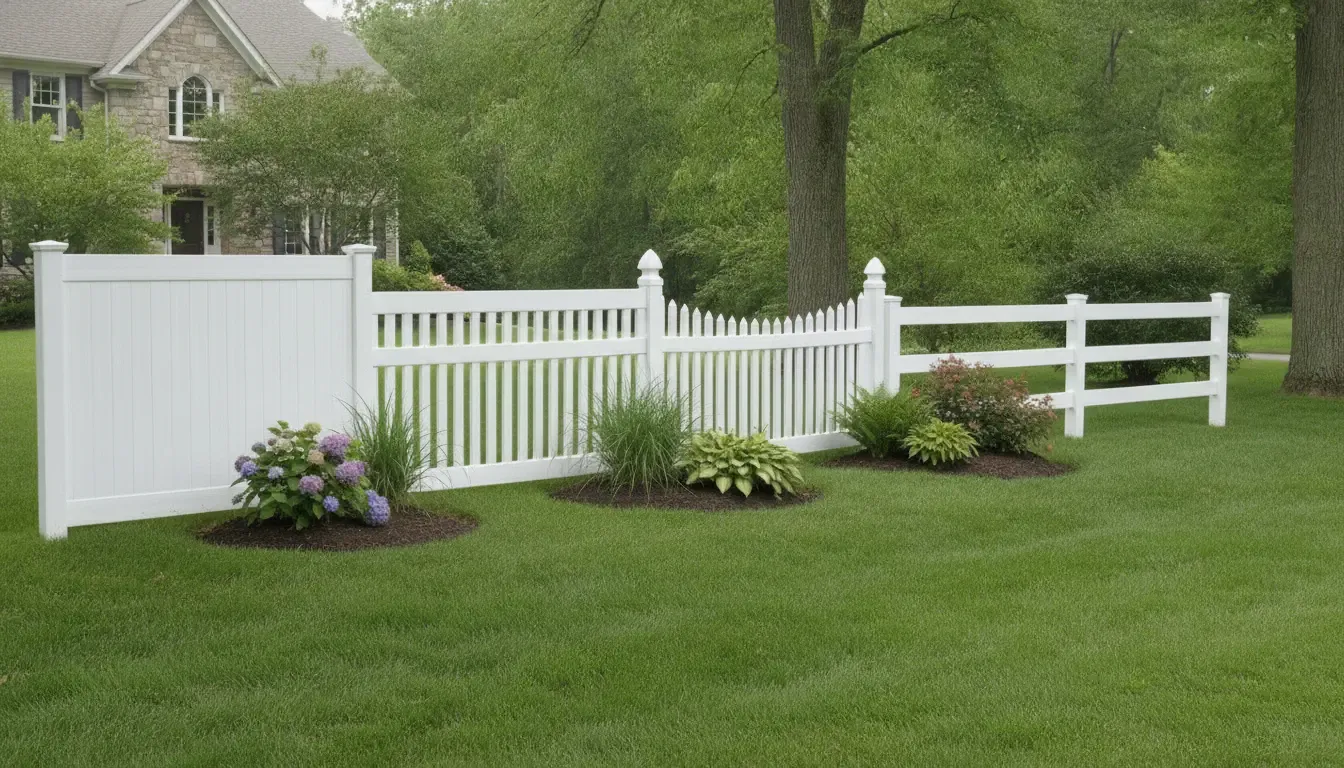
A vinyl pool fence may be a better fit when privacy is a priority. Depending on the design and placement, vinyl can screen the pool from neighboring homes, roads or other parts of the yard. Some homeowners use privacy fencing only where it is most useful, keeping the rest of the pool area more open.
Wood pool fencing
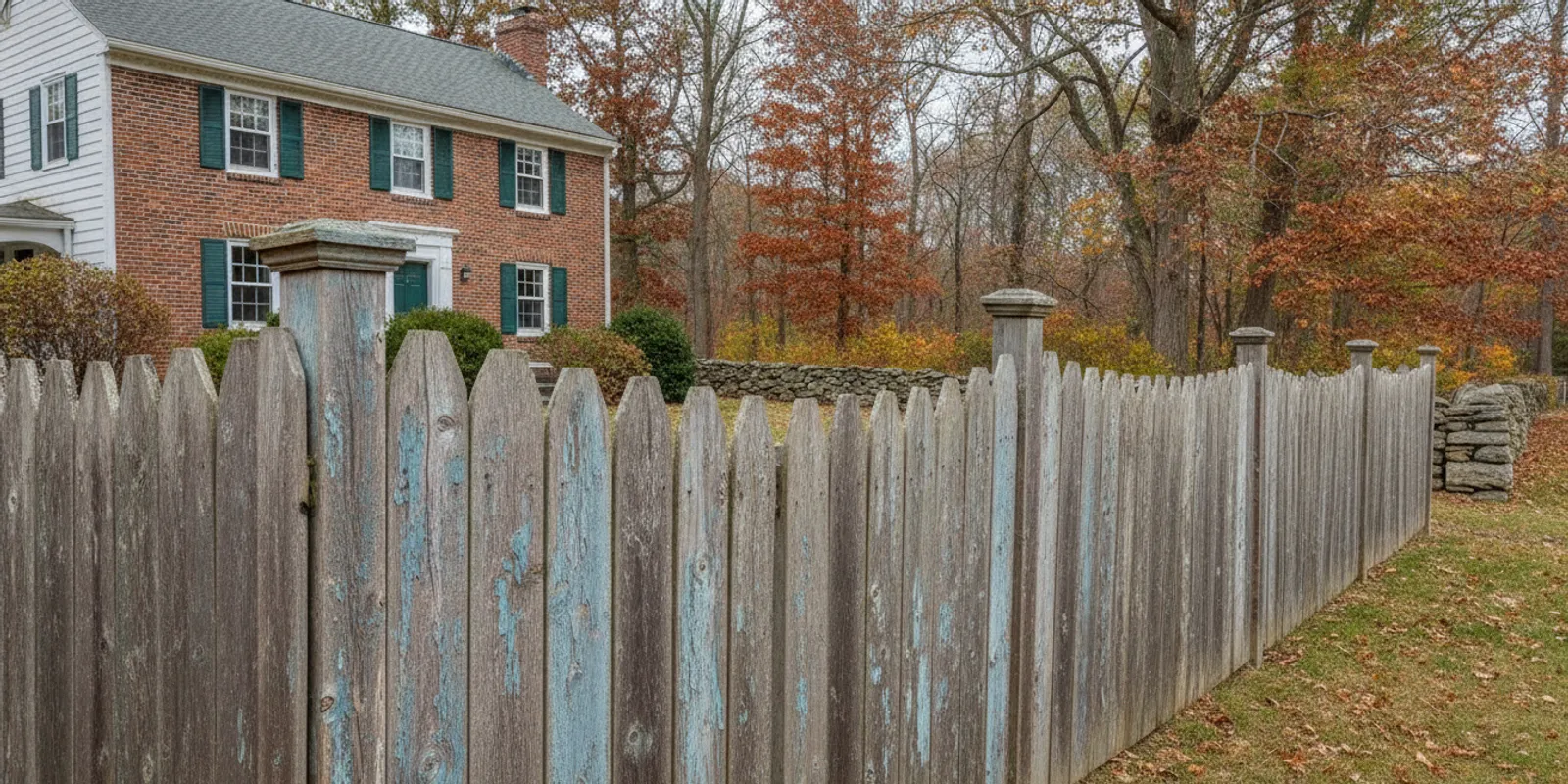
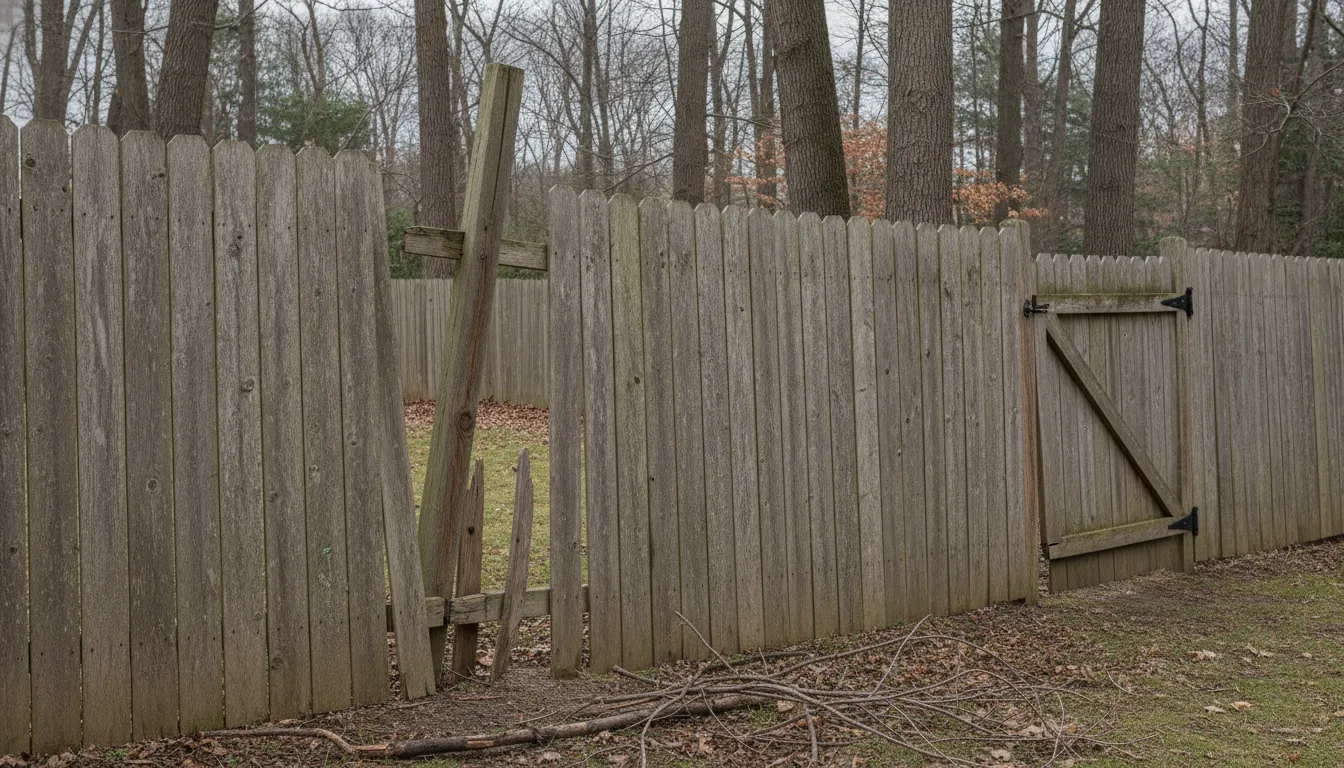
Wood can complement traditional architecture and established landscaping with a natural, warm appearance. It may also provide privacy and help a pool area feel more integrated with the rest of the property. Wood requires ongoing maintenance, so homeowners should weigh that commitment against the character and design flexibility they want.
The material is only one part of the decision. A pool fence company should also discuss the layout, gate locations, property grades and how the finished enclosure will relate to the home and yard.
Give the gates and entry points careful attention
A pool enclosure needs to work for everyday life as well as meet applicable safety requirements. Gate locations should reflect how people actually move between the home, patio, yard and pool area. The gate and its hardware also need to be evaluated for the requirements that apply to the property.
Small details can matter, particularly where a fence meets a slope, wall, deck, planting bed or other structure. Poor planning in these areas can affect both the appearance and the performance of the enclosure. A professional installer can help identify those conditions before the design is finalized.
Massachusetts and Southern New Hampshire town and city requirements
Pool-fence requirements are not identical in every New England municipality. State building standards may establish a baseline, while local building, zoning and inspection departments may add permit requirements or property-specific details. Always confirm current requirements with the building department serving your address before construction begins.
Official town resources show why a location-specific review matters. Below are a few examples.
- Haverhill, Massachusetts
, publishes pool and pool-fence information covering enclosure height, locking gates, setbacks and permit information.
- Danvers, Massachusetts
, describes a pool permit process that includes a plot plan and specifications for the fence and gate.
- Windham, New Hampshire
, states that permits are required for residential fences and directs homeowners to the town for pool-fence requirements under the New Hampshire State Building Code.
- Hollis, New Hampshire
, publishes swimming-pool regulations addressing permits, barriers, gates and inspections.
These examples are not a substitute for checking the rules in your own town. Requirements can change, and the correct answer may depend on the pool type, lot, existing structures and local review process.
Work with a pool fence company that helps you plan
A pool fence project should be more than choosing a material from a list. It should account for safety, appearance, privacy, access, property conditions and the way your family will use the space.
At Northstar Fence & Rail, our team helps homeowners in Massachusetts and Southern New Hampshire think through the right fence for their property, pool and budget. We can discuss aluminum, vinyl and wood options, review the site, consider local questions and help develop a design that complements the home and landscape. Final permitting and compliance decisions belong to the applicable local authorities, and at Northstar Fence & Rail, we will guide homeowners to confirm current requirements before work begins.
If you are considering a pool fence in New England, request a free, no-obligation consultation by calling (603) 453-3698.
Comments