Fence Repair Massachusetts and New Hampshire
If you need fence repair in Massachusetts or New Hampshire, the practical question is usually whether the fence can be saved or should be replaced. A leaning post, broken section, aging boards, storm damage, or gate that no longer closes can each call for a different solution. The right answer depends on the fence's condition, the cause of the damage, the material, and the property itself. Northstar Fence & Rail can help you evaluate those factors and decide on the best course of action.
Fence repair in Massachusetts and New Hampshire may involve a targeted component repair, board or panel replacement, section replacement, restoration of an aging fence, or full replacement. A professional assessment should look beyond the visible damage to the posts, connections, gates, surrounding grade, drainage, and remaining serviceable life of the fence.
This guide is designed for homeowners, property managers, businesses, contractors, and other property owners who need a clear way to think about fence repair and restoration. It is not a DIY installation guide. Instead, it explains how to identify the likely scope of work and what to discuss with a qualified fence contractor before making a decision.
What fence repair can and cannot solve
Fence repair is not one single type of project. In some cases, the visible problem is limited to one board, hinge, latch, or short section. In other cases, that same visible problem is a symptom of movement, rot, corrosion, failed connections, or posts that no longer provide a stable foundation.
A useful assessment separates the immediate defect from the condition that caused it. Replacing a damaged board may restore the appearance of a sound fence. It will not solve a post that is shifting, a grade that is pushing against the fence, or widespread deterioration throughout the line. Likewise, adjusting a gate may improve operation temporarily if the gate hardware is loose. But it will not correct a gate post that has moved or a frame that has lost its shape.
The goal is not to recommend the largest project. It is to match the scope to the fence's condition and the owner's priorities. Northstar can help you compare a focused repair, a matched section replacement, restoration, or a new fence when the existing structure has reached the end of its useful life.
Why fences need repair in Massachusetts and New Hampshire
New England properties put fences through changing conditions. Freeze and thaw cycles, wet soil, heavy snow, wind, falling branches, shade, sunlight, and changing grade can all affect how a fence performs over time. Local conditions also vary from one property to the next, so the same fence material can age differently depending on its exposure and installation environment.
Leaning or unsettled posts
Posts carry the weight and movement of the fence. When one begins to lean, the panels or rails attached to it may sag, pull away, or place extra stress on neighboring posts. Movement can be associated with soil conditions, water, freeze and thaw, impact, deterioration, or a footing that is no longer performing as intended.
A professional should evaluate whether the post itself is sound, whether the surrounding material is stable, and whether the problem is isolated or repeating along the fence line. A single unsettled post may be a focused repair. Several leaning posts may indicate that the fence needs broader structural work or replacement. Northstar can help the homeowner compare those options rather than guessing from the visible lean alone.
Broken, split, or deteriorated boards and panels
Wood boards and pickets can split, soften, warp, or deteriorate from age and exposure. Vinyl panels can crack or become damaged by impact. Chain-link fabric can bend, separate, or lose tension. Aluminum components can be bent or damaged at a post, rail, picket, or connection point.
When the surrounding structure is in good condition, replacing a damaged component can be a sensible way to preserve the fence. Matching is important, especially on an older fence. The replacement may need to account for the existing material, dimensions, profile, color, finish, weathering. And hardware so the repaired section does not look or perform like an unrelated addition.
Sagging, dragging, or misaligned gates
Gates experience repeated movement, which makes them one of the first parts of a fence system to show trouble. A gate may drag, sag, fail to latch, swing unevenly, or leave an inconsistent gap. The cause may involve hinges, latch hardware, the gate frame, the gate posts, or the surrounding grade.
Gate work deserves more than a quick hardware adjustment when the supporting structure has moved. Soil conditions and poor installation can contribute to operating problems over time. A helpful contractor should explain whether the gate can be adjusted, whether a component should be replaced, or whether the posts and frame need more substantial attention. Northstar can help the homeowner decide which course makes sense for the gate and the fence around it.
Storm, impact, and fallen-tree damage
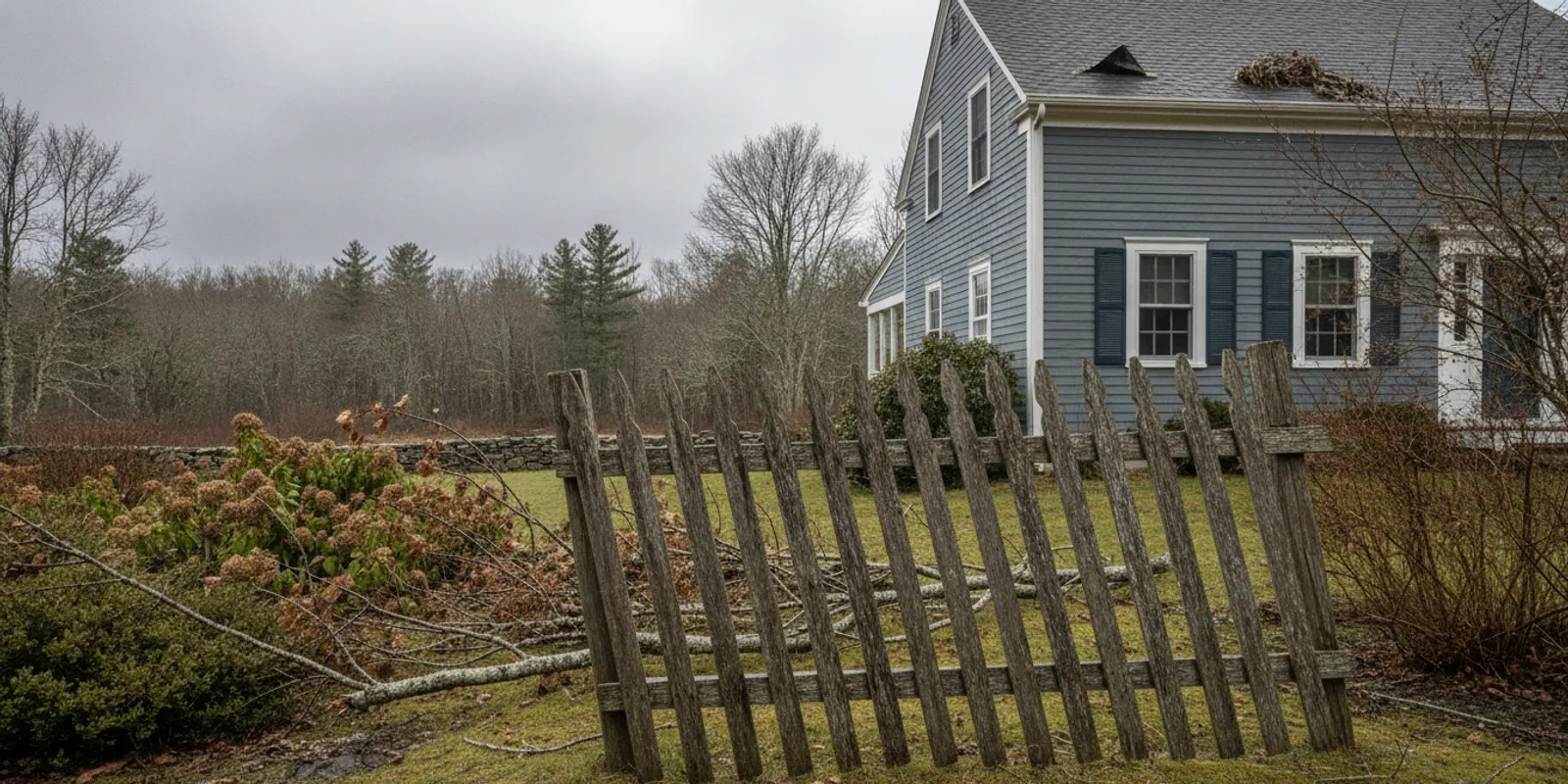
Storms can damage fences in several ways. Wind may loosen connections or push a fence out of alignment. A fallen limb or tree can break boards, rails, panels, posts, or gates. Vehicles and equipment can damage a localized section while leaving the rest of the fence intact.
After a major event, the visible break is not always the full scope. A contractor should look for stress in adjacent sections, movement at the posts, damaged hardware, and conditions that could make a repaired area vulnerable to another failure. Northstar provides storm-damage repair and section replacement as part of its fence repair and restoration services.
Age, weathering, and deferred maintenance
An older fence may have more than one type of wear. Wood can weather unevenly, fasteners can loosen, and gates can become harder to operate. Metal components may show corrosion or damaged coatings. Vinyl may have cracked or become brittle in isolated areas. A fence that still looks acceptable from the street may have weakened points that become obvious when it is used or exposed to another storm.
Age alone does not decide whether a fence should be replaced. The more useful questions are whether the main structure remains sound, how widespread the deterioration is. Whether the fence still meets the owner's needs, and whether a repair would provide useful service rather than postpone an inevitable larger project.
Repair, component replacement, restoration, or full replacement?
Most fence projects fit into one of four broad scopes. The boundaries are not rigid, and a professional assessment may recommend a combination. Understanding the difference can make a consultation more productive and help you compare recommendations fairly.
Spot repair
A spot repair addresses a limited defect without changing the rest of the fence. Examples can include a damaged latch, a small hardware issue, a single broken picket, or an isolated connection that has come loose. This approach makes the most sense when the surrounding posts, rails, panels, and gates remain in good condition.
Spot repair is not a guarantee that other parts of an older fence will not need attention later. A good assessment should identify any nearby concerns so the owner can make an informed decision instead of treating one visible problem as the entire diagnosis.
Board, panel, or component replacement
Component replacement focuses on the parts that are damaged while retaining the existing fence line. On a wood fence, that may involve boards, pickets, rails, or a gate component. On a vinyl fence, it may mean a panel or post-related component. On chain-link or aluminum fencing, it may involve fabric, rails, fittings, hardware, or a damaged section of the frame.
The key question is whether the remaining structure can support the replacement. If posts are unstable or deterioration is widespread, replacing visible components alone may produce a short-lived result. If the structure is sound and the damage is contained, it can be an efficient way to extend the life and appearance of the fence.
Post stability also depends on the soil and site, not just the visible fence component. This Old House explains that soil type, freeze-thaw cycles, and wind conditions can affect fence-post installation and anchoring choices, including whether concrete or gravel and sand-based fill is the better fit. Northstar can assess those conditions and help choose the best way to secure the posts for the repair or replacement. That decision matters during future repairs, because concrete can be difficult to remove when a post or section later needs attention.
Section replacement
Section replacement replaces a defined portion of the fence, often after an impact, storm, or localized failure. It may be appropriate when one or more connected panels, posts, rails, or a gate area are damaged but the rest of the line remains serviceable. Northstar can help the homeowner decide whether the damaged area is truly isolated and whether a section replacement is the best course of action.
A section should be evaluated in relation to the fence on both sides. Differences in material, weathering, alignment, height, and finish can be noticeable. The replacement also needs to connect properly to the existing fence and account for the property's grade and access. A careful contractor will discuss whether the new section can be matched closely or whether a broader restoration or replacement will create a more consistent result.
Restoration of an aging fence
Restoration is broader than fixing one damaged part. It may involve several related improvements to an existing fence, such as replacing deteriorated boards, improving the appearance of weathered sections. Addressing gate operation, and correcting localized defects while preserving as much of the original fence as practical.
Restoration can be a good fit when the fence has character or a design the owner wants to keep, but needs more than a single repair. It is also useful when the owner wants to extend the life of a serviceable fence rather than start over immediately. Northstar can help the homeowner decide whether restoration is the best course of action by considering the underlying structure. The owner's goals, and the level of performance expected after the work.
Northstar's guide to classic New England post-and-rail fencing illustrates why the character and setting of an existing fence can matter. An open, traditional fence may be worth preserving when its layout fits the property, even if selected components need attention.
Full fence replacement
Replacement may be the more responsible recommendation when posts are failing throughout the line. Deterioration is widespread, multiple sections are unstable, or the existing fence no longer meets the property's purpose. Replacement can also make sense when the owner wants a different level of privacy, security, pet containment, boundary definition, or appearance that the existing design cannot reasonably provide.
A recommendation for replacement should explain why targeted repairs would not provide a durable or coherent result. The owner should understand what is failing, what the new fence would solve, and which choices will affect the layout, material, gates, and relationship to the property. Northstar can help the homeowner compare replacement with repair or restoration and choose the best course for the property rather than assuming that a full rebuild is always necessary.
How the fence material changes the repair decision
Repair methods and matching considerations vary by material. A contractor should evaluate the actual fence rather than assume that one repair approach works for every installation.
Wood fencing
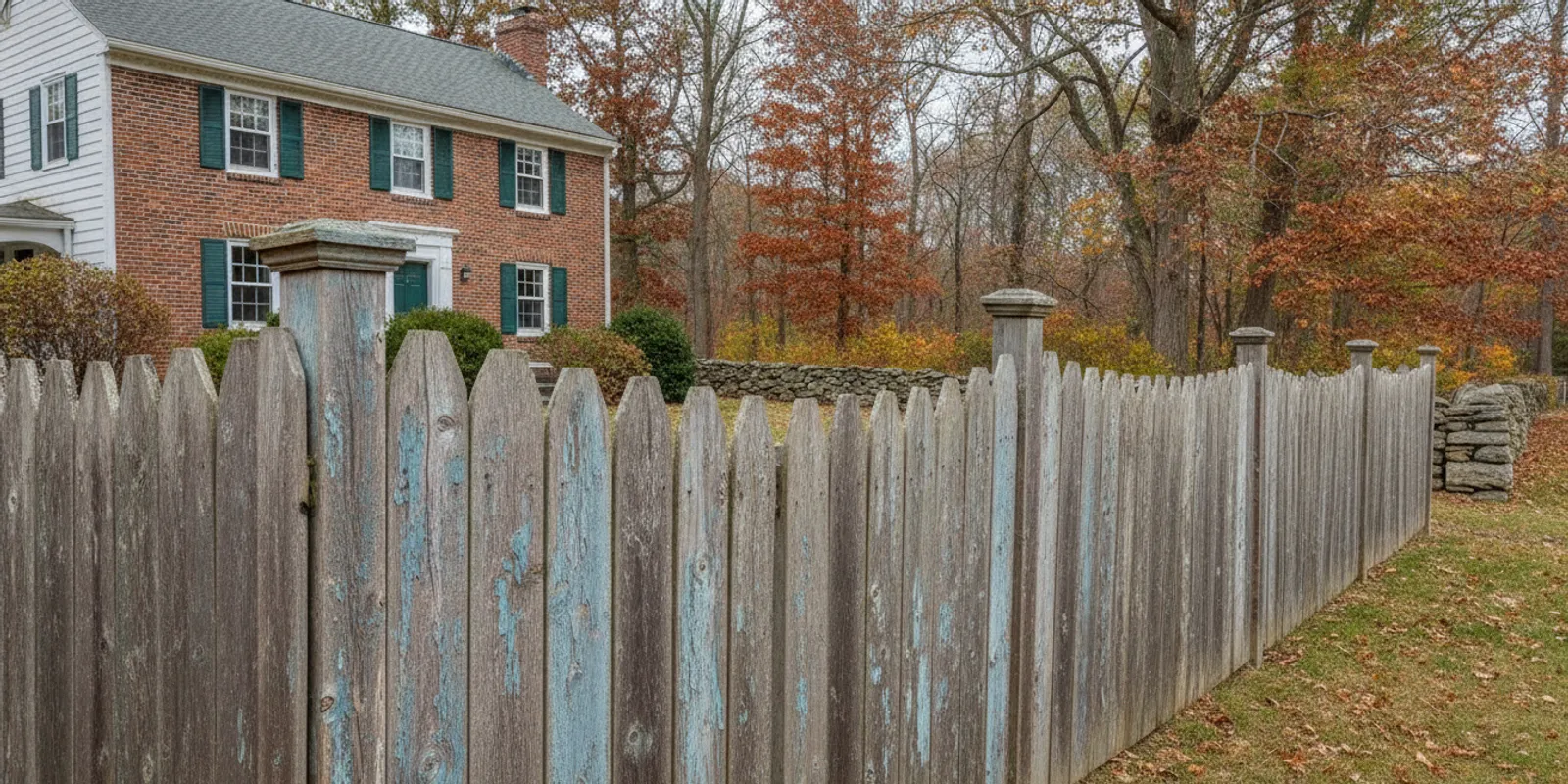
Wood fencing can often be repaired in a visually integrated way when the damage is localized and the surrounding posts and rails remain sound. Boards, pickets, rails, and gate components may weather at different rates, so a new piece may not immediately match the tone of the existing fence. The assessment should consider rot, splitting, warping, fasteners, moisture exposure, nearby vegetation, and the condition of the supporting structure.
On an older wood fence, the question is often whether enough of the system remains serviceable to justify restoration. If many posts and boards are deteriorated, repairing one visible area may not address the broader condition. If the structure is mostly sound, selective replacement and restoration may preserve the fence's character.
Vinyl fencing
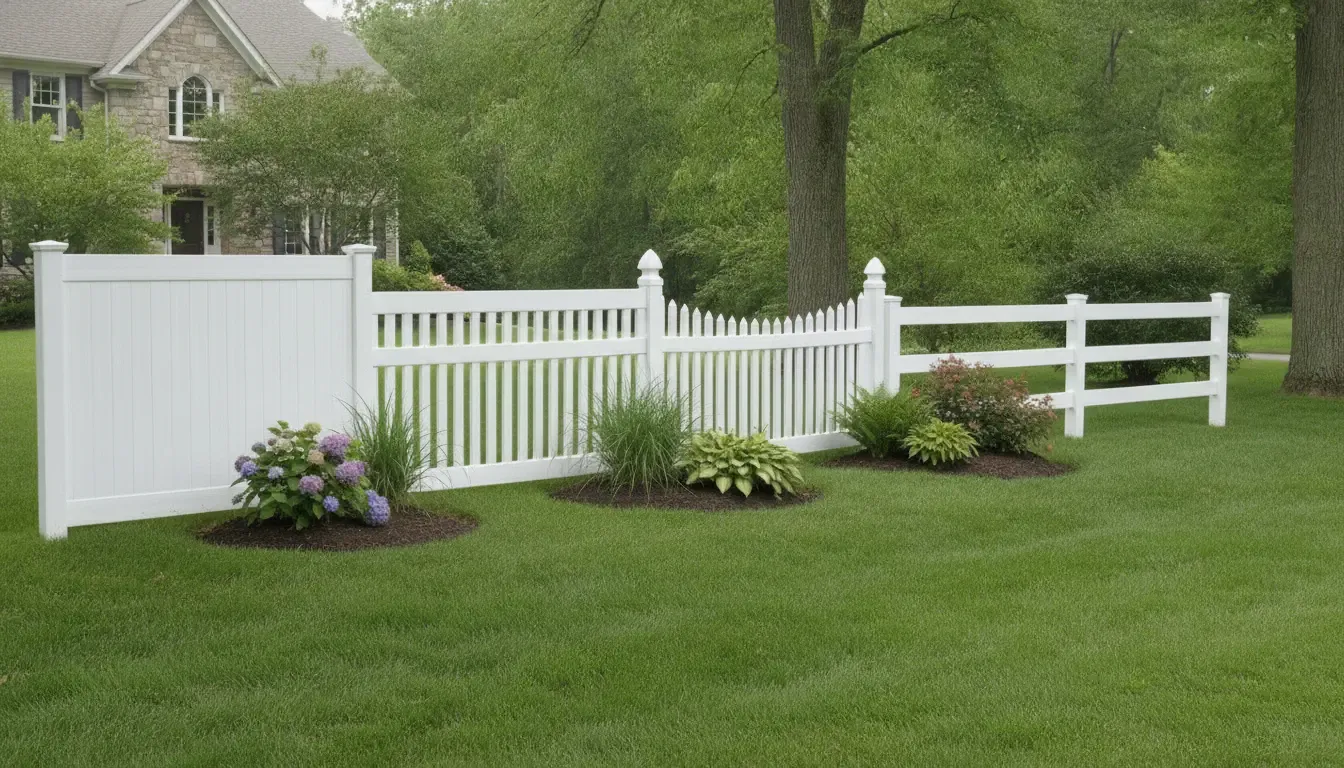
Vinyl fencing is typically evaluated by its panels, posts, rails, connectors, and hardware. A cracked panel or damaged post may call for replacement of a defined section rather than a board-by-board repair. Matching can depend on the profile, color, height, and availability of the existing system.
Vinyl can create a clean, consistent appearance, which means a small mismatch may be easy to notice. A contractor should confirm what can be matched before promising that a repair will look identical to a newer installation.
Chain-link fencing
Chain-link repairs can involve the fabric, posts, rails, fittings, tension, gates, and hardware. A localized breach may be different from a fence line that has shifted or lost support in several places. The intended use also matters. A residential boundary, pet enclosure, commercial perimeter, and service-area fence may have different priorities for security, visibility, access, and gate operation.
Because chain-link is a connected system, a repair should account for how the affected area meets the existing fabric and framework. The goal is not only to close a visible gap but to restore a stable, functional boundary.
Aluminum fencing
Aluminum fencing is often chosen for its clean appearance and low-maintenance character, but it can still be affected by impact, movement, damaged pickets, rails, posts, and hardware. A bent or broken section may be replaceable, while a post that has shifted may require attention below the visible line.
Appearance and alignment are especially important on ornamental fencing. A repair should preserve the relationship between the fence, gates, landscaping, and the architecture of the property whenever practical.
How Massachusetts and New Hampshire property conditions affect repair
Local service does not mean every property presents the same installation or repair conditions. A fence in a flat, open yard may be straightforward to access, while a wooded, sloped, rocky, or tightly landscaped property may require more careful planning. These conditions can affect the diagnosis, the equipment needed, and the way a repaired or replaced section meets the rest of the fence. Northstar can help the homeowner weigh these site conditions when deciding on the best course of action.
Freeze and thaw, drainage, and wet soil
Seasonal ground movement and moisture can affect posts, gates, and fence alignment. Low areas, runoff, drainage changes, and saturated soil may place additional stress on a fence. A repair plan should consider why a post or section moved rather than treating the movement as an isolated cosmetic issue. The soil assessment also helps Northstar choose the best way to secure replacement posts. Which may involve concrete or a sand-and-gravel approach depending on the site and project needs.
When a gate is involved, even a small change in the supporting area can affect the gap, swing, latch, or clearance. This is one reason gate repair can be more challenging than replacing a single board.
Rock, ledge, roots, and wooded properties
Rock and ledge, large roots, mature trees, and narrow access can influence where a fence can be repaired or how a replacement section should be aligned. The best solution may need to balance the desired boundary with the property's existing features. Cutting through a landscape without understanding the site can create new drainage, access, or appearance concerns.
Slopes, uneven grades, and ponds
On a sloped property, an existing fence may follow the grade in a way that affects the height, appearance, gate operation, or relationship to the ground. A repair or section replacement should respect the line of the fence and the way the property is used. Properties near ponds or other wet areas may also require closer attention to ground conditions and access.
Coastal exposure and high-wind areas
Coastal and exposed properties can present different weather and wind conditions than sheltered inland yards. Salt, wind, and exposure may affect hardware, coatings, wood, and connections. The appropriate repair discussion should account for the site's exposure rather than assuming that a material will age the same way everywhere in Massachusetts and New Hampshire.
What a professional fence repair assessment should cover
A useful consultation should leave the owner with a clearer understanding of the fence's condition and the available choices. Northstar can help the homeowner decide on the best course of action by looking at more than the piece that first caught your attention. The assessment should cover the fence line, supporting conditions, and the way the repair will need to perform over time.
- The visible damage:
Identify broken, leaning, missing, cracked, corroded, or deteriorated components.
- The supporting structure:
Review posts, rails, connections, footings where visible, and the way the affected section carries load.
- The cause:
Consider impact, weather, age, moisture, movement, vegetation, drainage, grade, or repeated gate use.
- The extent:
Determine whether the issue is isolated or whether adjacent sections show related wear.
- The material and match:
Discuss whether the existing style, profile, color, finish, and hardware can be matched closely enough for the owner's expectations.
- The property:
Account for slopes, access, landscaping, rock, trees, wet areas, and how the fence is used.
- The owner's goal:
Clarify whether the priority is privacy, security, pets, children, appearance, a property boundary, gate operation, or extending the life of the existing fence.
- Local requirements:
If the project involves a pool enclosure, property line, substantial replacement, or another regulated condition, confirm current requirements with the applicable town or building department. Requirements can vary by municipality, and this article is not a substitute for local guidance.
The result should be an honest explanation of what the contractor recommends and why. A credible repair recommendation does not need to force every fence into the same category. It should show where a smaller repair is appropriate and where a broader solution may better serve the property.
Fence repair questions for Massachusetts and New Hampshire owners
Can a contractor repair only one section of a fence?
Often, yes, when the damage is localized and the neighboring posts, rails, panels, and connections remain sound. The repaired section should be evaluated for alignment, matching, structural support, and the way it connects to the existing fence. A wider recommendation may be more appropriate if nearby components are also failing.
Can an older wood fence be restored instead of replaced?
Sometimes. Restoration is more likely to make sense when the primary structure remains serviceable and the owner values the existing design. If posts, rails, and boards are deteriorated throughout the fence, a full replacement may provide a more consistent and dependable result. Northstar can help the homeowner compare restoration with replacement and choose the best course of action. An on-site assessment is the best way to separate a repairable aging fence from one that is at the end of its useful life.
Can a damaged gate be repaired without replacing the whole fence?
In some cases, yes. The answer depends on the condition of the gate, hinges, latch, frame, posts, and surrounding grade. A contractor should identify whether the problem is hardware-related, structural, or connected to movement below the gate area. Northstar installs, customizes, and repairs gates as part of its broader fencing services. And can help the homeowner decide whether a gate repair, post correction, section replacement, or larger project is the best course of action.
Does a fence repair or replacement require a permit?
That depends on the project, property, municipality, and applicable requirements. Massachusetts and New Hampshire are not single-rule jurisdictions for every fence situation. If a project may involve a pool, boundary, height, setback, or other local condition, confirm the current requirements with the town or authority having jurisdiction before work begins.
Choose the repair path that fits the property
Fence repair in Massachusetts and New Hampshire is not simply a matter of replacing the most visible broken piece. A durable recommendation considers the posts, material, gates, grade, drainage, exposure, access, and the reason the fence failed. It also respects the owner's goal, whether that means preserving a traditional fence, restoring an aging system, replacing storm-damaged sections, or planning a complete new fence.
Northstar Fence & Rail serves homeowners, businesses, contractors, property managers, and other property owners with custom fence installation, repair, and restoration services. The company brings more than 50 years of combined family-business and fencing experience to a consultation-led process built around exceptional service. Expert craftsmanship, clear communication, and an honest assessment of the property.
For more fencing guidance, visit the Northstar Fence & Rail blog, or request a consultation to discuss the condition of your fence and the most appropriate next step.
Comments