Best Fence for High-Wind Areas in MA and NH
Updated: Oct 15
The best fence for high-wind areas is not determined by material alone. On an exposed Massachusetts or New Hampshire property, dependable performance comes from matching the fence profile, posts, gates, footings, hardware, and layout to the site. Open aluminum and chain-link designs may allow more air through, while solid vinyl or wood privacy panels can create more wind exposure. The right choice depends on what the fence needs to do, how exposed the property is, and how the installation is planned.
Planning a fence for a coastal or exposed property? Call Northstar Fence & Rail at (603) 453-3698 for a free, no-obligation consultation.
This guide explains the main tradeoffs for homeowners, businesses, and property managers in Massachusetts and Southern New Hampshire. For a broader look at how material, property use, and appearance work together, see Northstar's fence material and property-planning guide.
Why Wind Load Matters When Choosing a Fence in New England
Wind acts on a fence differently than it acts on a house or a low landscape feature. A tall, solid run presents more surface area to moving air. A gate can behave like a large hinged panel, and a corner or end post may carry forces from more than one direction. When a fence is near the coast, on an open lot, beside a field, or above a slope, the exposure can be more demanding than a sheltered yard suggests.
Storm conditions also change the project context. The National Weather Service's Boston office distinguishes wind advisories and high-wind warnings by sustained wind and gust criteria, but those alerts are not a fence design specification. They are a reminder that the local weather environment can include short periods of significant force. A site assessment should consider the property's actual exposure, nearby structures and vegetation, the desired fence height, and the amount of solid surface.
Coastal properties add another concern: salt-laden moisture can accelerate corrosion on unprotected metal components. That does not make one material universally correct. It does mean the entire system matters, including posts, fasteners, hinges, latches, coatings, drainage, and the way water leaves the site.
What Makes a Fence More Wind-Resistant?
Homeowners often begin by asking which material is strongest. A better question is how the complete fence system will manage wind and transfer loads into the ground. Important planning factors include:
- Fence profile:
Open pickets or mesh generally allow more airflow than a continuous privacy panel, although the final design still needs to fit the property's privacy and security goals.
- Height and run length:
Taller fences and long uninterrupted runs deserve closer attention to post layout, transitions, corners, and changes in direction.
- Posts and footings:
Post size, spacing, embedment, concrete or other footing approach, frost conditions, soil, drainage, and existing rock or ledge should be evaluated together. There is no responsible one-size-fits-all depth for every Massachusetts or New Hampshire property.
- Gates:
Driveway gates and pedestrian gates add moving hardware and concentrated loads. Hinge placement, latch alignment, clearances, support posts, and the direction of swing all affect long-term operation.
- Transitions:
A fence may change from privacy panels to an open style near a driveway, pool, slope, or view. Those transitions need to be planned instead of treated as an afterthought.
- Site drainage:
Water that remains around posts or travels toward a low section can contribute to movement and deterioration over time. Drainage and grading belong in the planning conversation.
These details are why a professional consultation is more useful than choosing a material from a catalog photograph. Northstar evaluates the property, the intended use, and the design priorities before recommending a practical direction.
Fence Materials That Hold Up in Coastal Conditions
Each approved fence material can work well in the right setting. The best fit depends on the property's exposure, the amount of privacy needed, maintenance expectations, and the way the fence should look from the house, road, and neighboring properties.
Aluminum fencing
Aluminum is often a strong candidate for coastal and wind-exposed properties when an open design fits the project. Picket spacing lets air move through the fence, and the lighter visual profile can preserve views toward the yard, water, woods, or landscape. Black aluminum can also complement traditional New England homes while creating a defined boundary.
- Useful for:
Open boundaries, property definition, pool enclosures, landscaped yards, and locations where visibility matters.
- Advantages:
Visually light, compatible with many architectural styles, and less likely to act like a continuous wind-catching wall than a solid privacy design.
- Tradeoffs:
It does not provide the same privacy as a solid fence, and the posts, fasteners, hinges, latches, and finish still need to be appropriate for the environment.
Aluminum is not automatically windproof. A tall run, wide gate, exposed corner, or difficult soil condition can still require careful planning. Its benefit is that an open profile may reduce the amount of surface area presented to the wind.
Vinyl fencing
Vinyl is a practical option when homeowners want low-maintenance privacy and a clean, consistent appearance. It does not rot like wood, and its non-porous surface can be appealing in damp environments. For a coastal Massachusetts or Southern New Hampshire property, vinyl can make sense when privacy is a priority and the layout is designed around the site's exposure.
- Useful for:
Privacy along property lines, screening from nearby homes or roads, and residential designs that call for a clean finished appearance.
- Advantages:
Low routine maintenance, privacy, and resistance to common moisture-related wood concerns.
- Tradeoffs:
Solid panels present more surface area to wind. Panel width, height, post support, gate design, and transitions deserve close attention on an exposed property.
Vinyl should be selected as part of a site-specific plan rather than treated as a universal answer to coastal weather. An open or partially open layout may be more appropriate where privacy needs are limited or exposure is especially pronounced.
Wood fencing
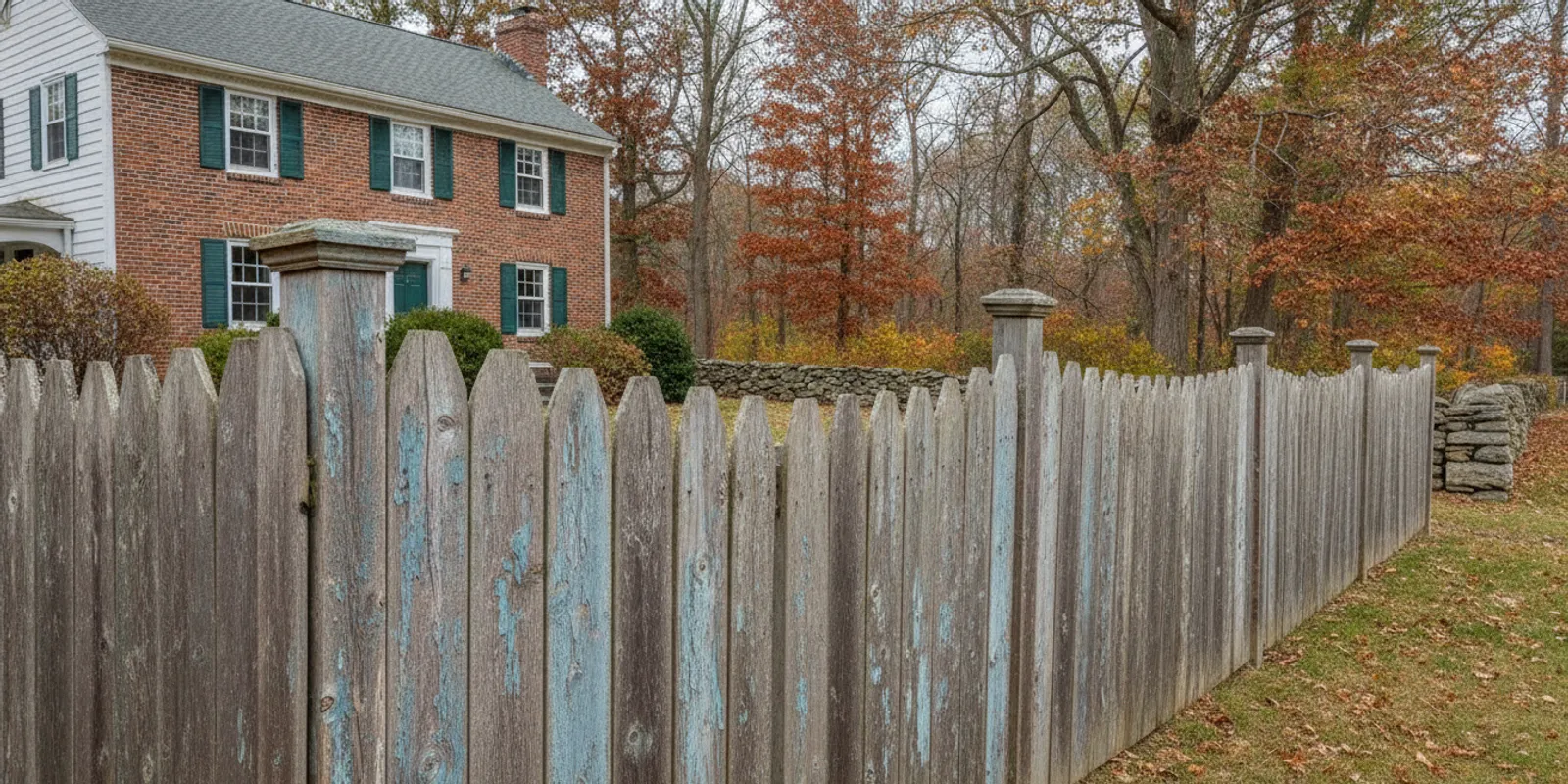
Wood gives homeowners flexibility in height, spacing, privacy, and character. It can suit older New England homes, wooded properties, and projects where a natural appearance matters. A spaced design may allow more airflow than a solid privacy wall, and individual sections can be evaluated for repair or restoration as the fence ages.
- Useful for:
Privacy, traditional architecture, custom layouts, and properties where natural material and design flexibility are priorities.
- Advantages:
Adaptable appearance, repairable sections, and the ability to choose more open or more private configurations.
- Tradeoffs:
Wood needs ongoing care, and moisture, poor drainage, freeze-thaw movement, and wind exposure can affect its condition over time. A solid, tall design may also experience more wind force than a spaced layout.
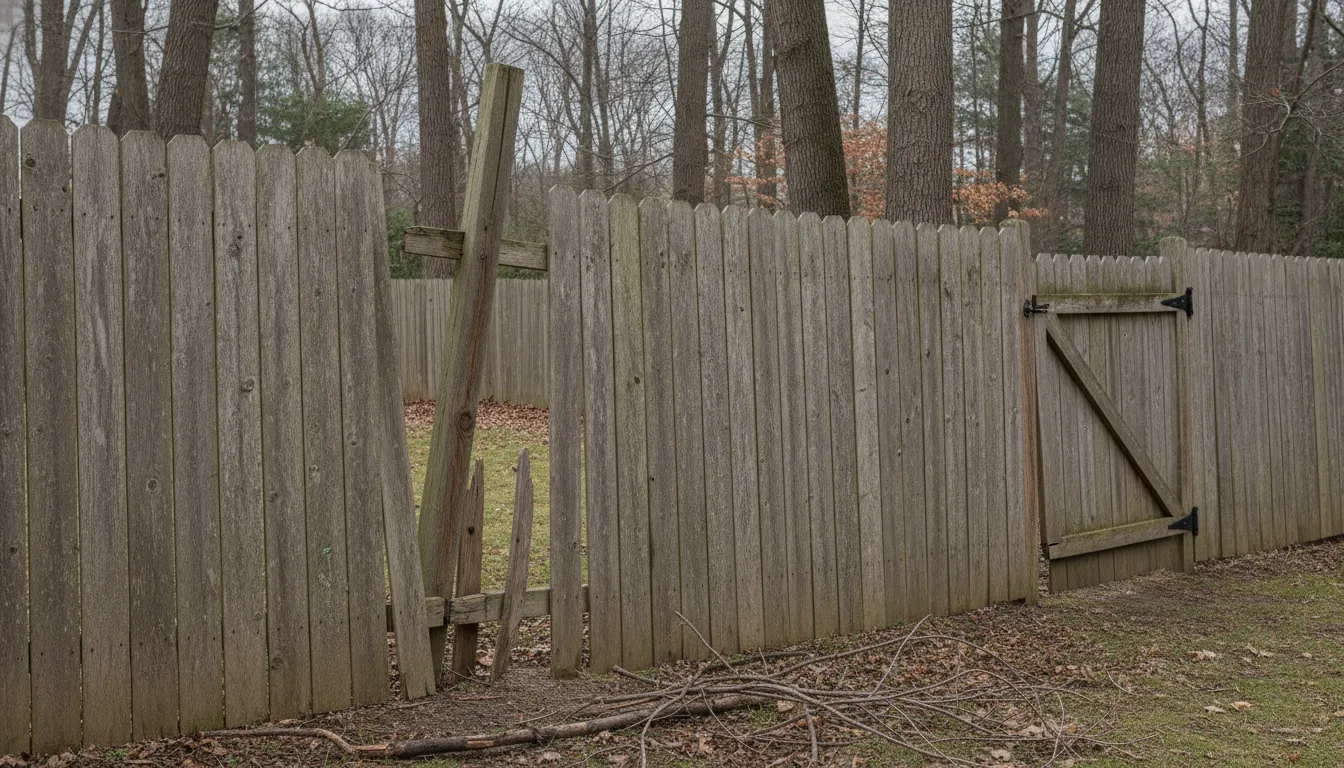
For an older fence after a storm, Northstar can help the homeowner decide whether a damaged section should be repaired, replaced, or evaluated as part of a broader restoration plan. The best course depends on the fence's condition, the cause of the damage, the material, and the property's needs.
Chain-link fencing
Chain-link fencing allows substantial airflow and can be a sensible choice where containment, security, and durability matter more than privacy. It is commonly considered for commercial properties, utility areas, side yards, and larger boundaries. Privacy additions or screening can change the wind behavior, so they should be considered as part of the original design.
- Useful for:
Commercial fencing, functional boundaries, pet containment, service areas, and larger properties.
- Advantages:
Open mesh, practical visibility, and a functional profile that can be easier to plan for airflow than a solid panel.
- Tradeoffs:
It offers limited privacy unless screening is added, and the posts, terminal points, gates, and hardware still need to be properly planned.
Mid-project decision point: If you are comparing an open aluminum or chain-link layout with a private vinyl or wood design, ask how each option changes the wind exposure, gate requirements, post layout, maintenance, and appearance of your specific property. Call (603) 453-3698 to discuss the options with Northstar Fence & Rail.
Aluminum and Vinyl vs. Wood in High-Wind Environments
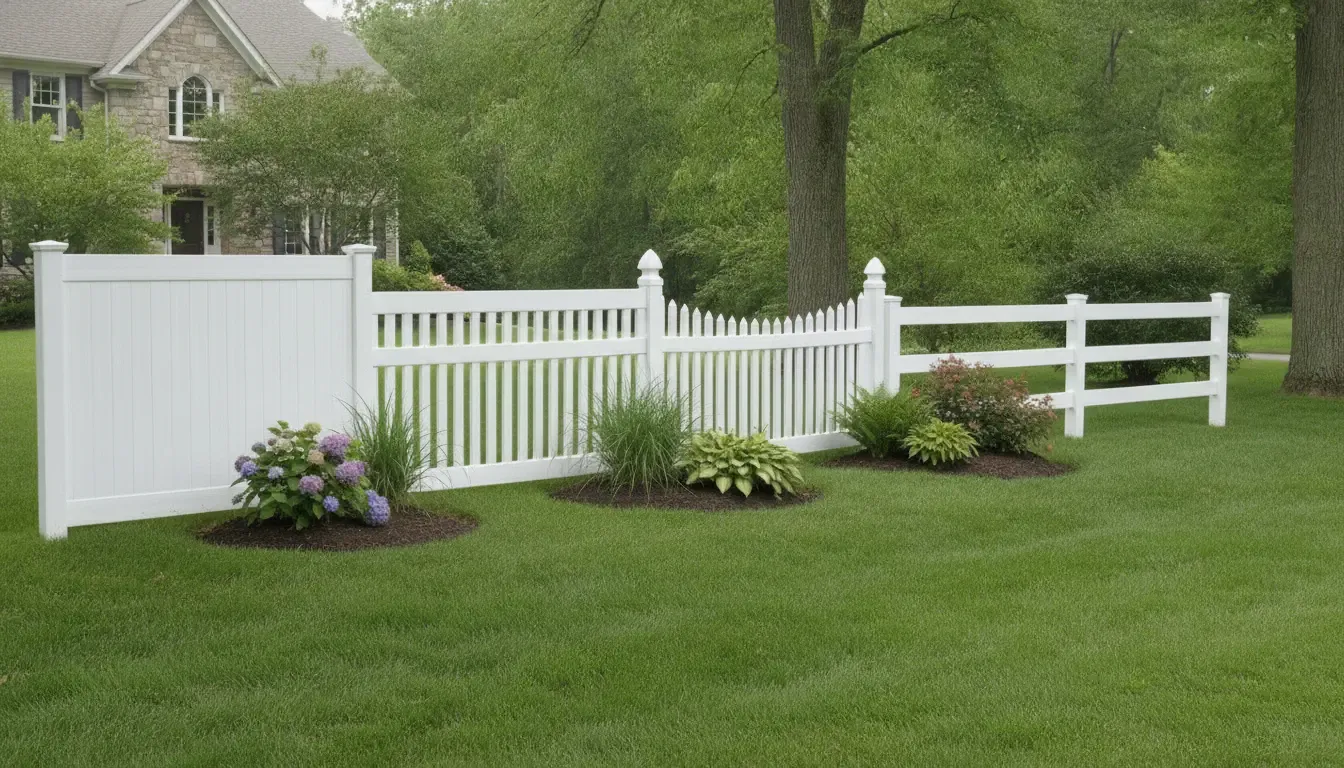
A material comparison is useful, but the key distinction in a high-wind setting is often open versus solid rather than metal versus wood. An open aluminum fence may be the better fit when the homeowner wants a boundary without blocking views. A solid vinyl fence may be the better fit when privacy is the primary need, provided the posts, gates, layout, and site conditions are planned accordingly. Wood can occupy either role because it can be designed with spaced pickets, semi-private sections, or solid panels.
For coastal exposure, also compare how each material and its hardware will be maintained. Ask about moisture, salt air, fasteners, hinges, latches, cleaning, repair access, and the appearance of the fence after several seasons. For a New England property, consider how snow storage, spring drainage, frost movement, stone, ledge, hills, wooded access, or a narrow coastal lot may affect installation.
Northstar's New England post-and-rail fencing guide is another useful example of how an open fence style can fit a larger or more rural property. The goal is not to copy one style everywhere. It is to match the visual character and practical function of the fence to the property.
How Post Depth, Panel Spacing, and Gates Affect Wind Performance
Wind resistance is an installation and layout question as much as a material question. A knowledgeable contractor should discuss the following before finalizing the design:
- Soil and frost:
Sandy soil, dense clay, fill, ledge, and frost-prone ground can call for different installation methods. Existing stone walls and buried obstructions can also affect alignment and equipment access.
- Panel spacing:
Open spacing can reduce the visual and physical presence of a fence, while a privacy panel may be necessary for the property's use. The design should balance airflow, privacy, security, and appearance.
- Post locations:
Corners, ends, gates, and changes in grade often need special attention. Post layout should support the actual fence configuration, not just a standard drawing.
- Gate operation:
A gate should open and close reliably with the planned clearances. Driveway traffic, snow storage, slopes, drainage, and the direction of prevailing weather can all matter.
- Maintenance access:
Leave a practical way to inspect, clean, repair, or replace hardware and sections without creating a new access problem.
Poor installation or unexamined soil conditions can contribute to leaning posts, misaligned gates, and premature failure. In New England, a site assessment that accounts for ground conditions, drainage, and changing seasonal weather is part of planning for dependable long-term performance.
Coastal Fence Planning in Massachusetts and New Hampshire
There is no single coastal-fence rule that applies to every town. Height, setbacks, permits, property lines, wetlands, and other requirements can vary by municipality and by the details of the property. Massachusetts maintains a library of city and town ordinances and bylaws, but homeowners should confirm current requirements with the applicable local building or zoning office before construction. Southern New Hampshire properties likewise require town-specific review.
Bring the following information to a consultation:
The town or municipality and whether the property is near the coast, an open field, a pond, or a steep slope.
Photos showing the fence line, home, neighboring structures, trees, rock, ledge, drainage, and access points.
The main purpose of the fence, such as privacy, security, pets, children, pool protection, property definition, or commercial control.
Preferred privacy level, fence height, gate count, driveway access, and any future landscaping or construction plans.
Information about storm damage or an existing fence if the project may involve repair, section replacement, or restoration.
That conversation helps narrow the options without making a coastal property fit a generic template.
Frequently Asked Questions About High-Wind Fences
What is the best fence for high-wind areas?
There is no single best material for every high-wind property. Open aluminum or chain-link can allow more airflow, while vinyl or wood may be appropriate when privacy is essential. The best choice depends on exposure, soil, height, gates, layout, drainage, maintenance, and the property's purpose.
Is vinyl fencing a good option near the Massachusetts or New Hampshire coast?
Vinyl can be a good low-maintenance privacy option, but solid panels can catch more wind than an open fence. A professional should evaluate the fence height, panel design, post support, gate locations, drainage, and site exposure before recommending it.
Does aluminum fencing hold up in coastal conditions?
Aluminum can suit coastal properties when an open, visually lighter design is appropriate. The full system still matters. Posts, fasteners, hinges, latches, coatings, and installation details should be selected and maintained with moisture and salt-air exposure in mind.
Should a high-wind fence be solid or open?
An open design generally lets more air pass through, but a solid fence may be necessary for privacy or screening. The right balance depends on the property's exposure, the intended use, the desired appearance, and how the fence will be supported and laid out.
Can Northstar help with an existing fence damaged by wind?
Yes. Northstar provides fence repair and restoration services, including storm-damage repair and section replacement. The team helps homeowners decide on the best course based on the fence's condition, the cause of damage, the material, and the property's needs.
Ready to compare fence options for an exposed property? Call Northstar Fence & Rail at (603) 453-3698 for a free, no-obligation consultation about your Massachusetts or New Hampshire project.
Comments