Storm Damage Fence Repair: A New England Response Guide
After a nor’easter or severe windstorm, storm damage fence repair is not always as simple as replacing the section that looks worst. A safe, durable plan depends on what caused the damage, how the posts and adjoining sections held up, the fence material, and conditions across the property. Here is what Massachusetts and Southern New Hampshire property owners should consider before choosing a repair path.
What should you check first after a storm?
Start with people and property safety, not the fence repair itself. A fallen tree, a leaning panel, exposed hardware, or a gate that no longer closes can create hazards. Keep people and pets away from unstable areas. Do not approach downed wires or attempt to move a tree that is under tension or resting on a structure. Contact the appropriate emergency or utility service when there is an immediate safety concern.
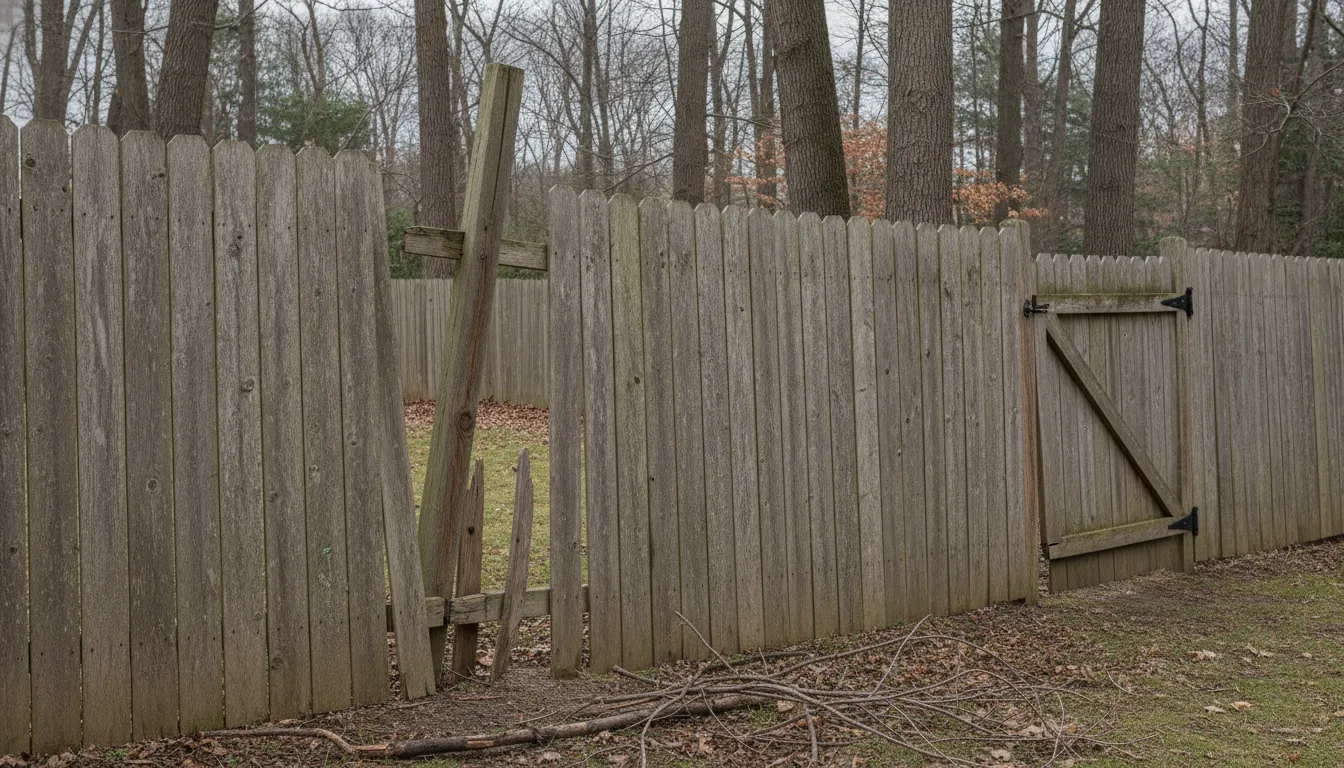
Once it is safe to view the area, look at the overall pattern of damage from a distance. Is the problem limited to one panel, or does a long run lean? Did the fence move at the posts, split at the rails, or pull away near a gate? Is a tree or large limb involved? Has water collected or washed soil away around the fence line? These clues can help a fencing professional distinguish a localized impact from a broader issue with the fence or site.
Take photographs of visible damage and nearby conditions if you can do so safely. Include wide views that show where the damaged area sits, as well as closer views of affected sections. If you may make an insurance claim, ask your insurer what documentation it needs and before arranging work that could affect its inspection. Keep any communication and claim instructions together.
Storm damage can be hidden. A panel may look intact while its post has loosened, or a gate may still swing but no longer latch reliably. Conversely, a visibly damaged section does not always mean the entire fence needs replacement. A proper assessment looks beyond the most obvious break.
For now, avoid leaning on a damaged panel, forcing a gate, or trying to lift a fallen section back into place. A fence can shift unexpectedly, and attached branches, strained rails, or unstable posts may create additional risk. If the fence borders a pool, roadway, neighbor’s property, or an area used by children or pets, take particular care to keep people away and ask the relevant professional or authority what temporary precautions are appropriate. The goal is to limit exposure to a hazard, not to make a structural repair before the condition has been assessed.
How can you tell whether repair or replacement makes sense?
The right response depends on the fence’s condition, the cause of damage, its material, and what the property needs now. A limited impact on an otherwise sound fence may point toward repairing or replacing a section. Damage across multiple connected areas, recurring movement, or weakened posts may call for a broader plan. The decision should account for the surrounding fence so that a repair fits in appearance and function.
- Extent:
A single damaged panel has different implications from multiple leaning sections or a run that has shifted out of line.
- Posts and connections:
The condition of posts, rails, brackets, and gate connections matters. Surface appearance alone may not reveal whether the structure is stable.
- Material and age:
Wood, vinyl, chain-link, and aluminum respond differently to impact and stress. The condition and availability of compatible components can affect a practical repair plan.
- Cause:
Wind pressure, a falling limb, an impact, erosion, or saturated ground may each leave a different pattern. Addressing the visible break without considering its cause can leave the underlying concern unresolved.
- Property use:
A boundary fence, a privacy screen, a pet enclosure, and a pool barrier have different functions. A gate that no longer operates properly may matter as much as a damaged panel.
For example, if a branch has broken one wood section but nearby posts and rails remain sound, a targeted repair may be worth evaluating. If several posts have shifted after heavy rain, replacing panels alone may not address the condition that led to the movement. If a vinyl section has cracked, the feasibility of a close match can depend on the existing system and its condition. These are assessment questions, not a reason to assume one outcome before the site is reviewed.
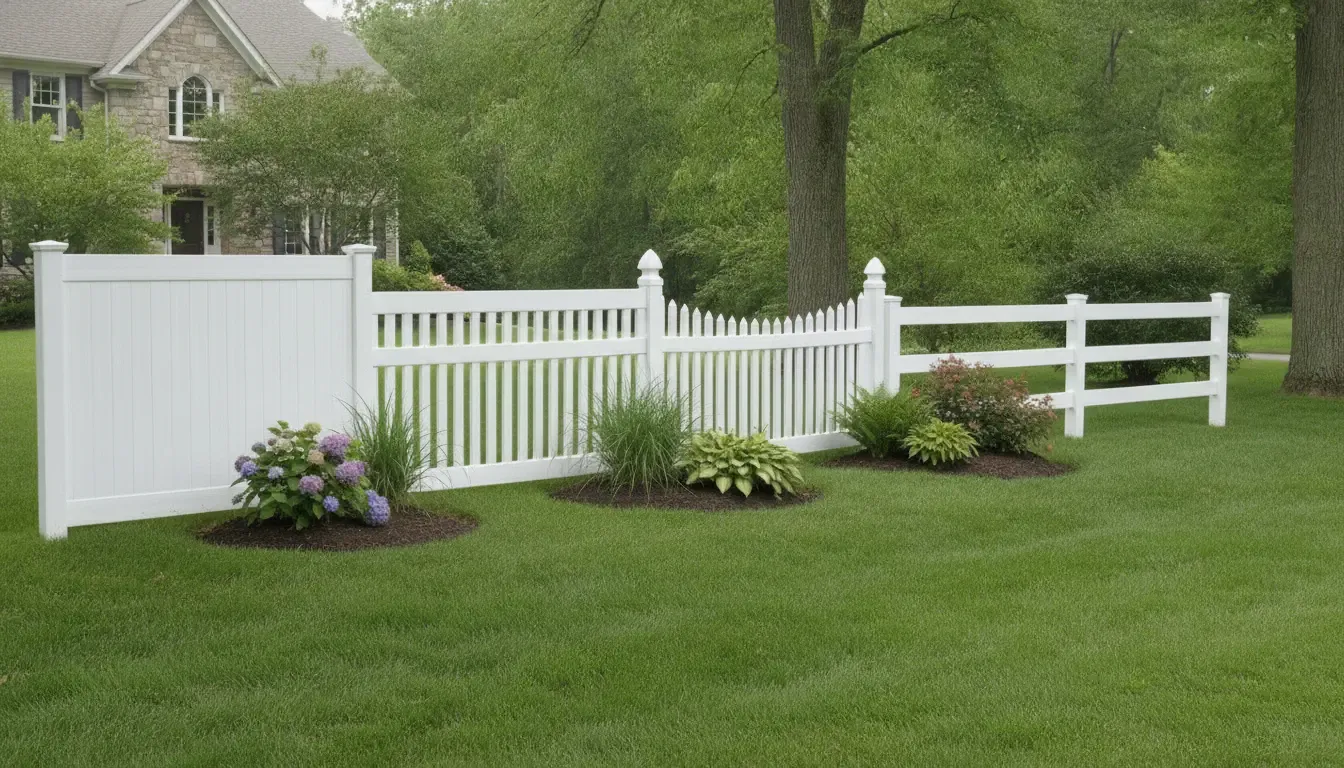
Material can change what a practical repair looks like. With wood fencing, the review may consider whether the impact split a board, damaged a rail, or moved a post, and whether nearby pieces show similar wear. With vinyl fencing, a cracked panel or rail may require attention to the design and dimensions of the existing system so the repair connects and looks consistent. Chain-link damage can involve the mesh, top rail, posts, or tension-related components; damage in one area may affect the adjacent run. Aluminum fencing can show bending or loosened connections after impact, and a replacement section needs to work with the existing layout. The point is not that one material is always easier to repair, but that the damaged component and the surrounding system both matter.
A useful assessment also separates the immediate repair need from longer-term preferences. A homeowner may want to restore the original appearance, adjust a gate for dependable access, or reconsider a portion that no longer fits how the yard is used. Where an older fence has unrelated wear, it may be helpful to identify which work addresses storm damage and which reflects a separate improvement decision. Clear scopes make it easier to compare options without assuming that every existing section must be replaced.
Northstar Fence & Rail helps homeowners decide on the best course of action based on the fence’s condition, the cause of damage, material, and property needs. The company’s fence installation and repair services include storm-damage repair and section replacement where appropriate. A consultation can help clarify whether the priority is restoring a portion, addressing a gate, or planning a more extensive repair.
How do New England site conditions affect storm damage?
Storms can leave more than wind damage. Heavy rain may saturate soil, runoff may expose or wash away soil near a fence line, and fallen branches can put concentrated force on a panel or post. On a sloped property, water can move differently across the site than it does on level ground. A wooded lot may have branches or trees close to the fence, while an exposed or coastal property may experience stronger wind exposure.
Those conditions vary from one property to another, even within the same town. Rock or ledge can affect access and repair planning. Sandy or disturbed soil may behave differently from compacted ground. Drainage, slope, landscaping, retaining features, and the route available to equipment can all shape the work. A fence professional should consider what is actually present rather than assume every Massachusetts or New Hampshire property has the same soil or exposure.
Look at the fence as part of the setting. Did damage occur near a low spot, a drainage path, or an area where water gathers? Is there a large tree close to the line? Are neighboring panels or a gate showing stress too? A review that considers the surrounding conditions can help distinguish an isolated event from a location that may need additional planning.
For example, if a fence runs along a slope, a storm may reveal movement that is hard to see from the damaged panel alone. A low area that holds water might merit a closer look at the ground around affected posts. On a wooded property, the access route and remaining limbs may matter as much as the replacement section. Near the coast, exposure and the condition of the full run can inform a discussion about how the repair should fit the setting. These observations do not establish the cause by themselves; they help the professional focus the site review.
Northstar’s guide to fencing in high-wind areas explains why exposure and fence design deserve consideration. It can be useful background after a storm, but the right response still depends on the specific damage and property. For an overview of how fence materials serve different needs, see residential fencing options.
What should homeowners know about insurance?
Do not assume that every fence damaged in a storm is covered, or that coverage rules are the same from one policy to another. The cause of damage, the policy language, exclusions, deductible, and claim circumstances may all matter. Contact your insurer or agent for guidance specific to your policy, and ask whether it wants to inspect the damage before repair work begins.
Government insurance resources from other states illustrate why it is important to check the policy rather than rely on a general rule. The Iowa Insurance Division notes that a policy may pay for damage when a tree falls on a fence, depending on the situation, in its consumer guidance on tree damage and insurance. Oregon’s Division of Financial Regulation discusses storm coverage and exclusions, including possible limits involving fences, in its storm damage insurance guidance. These are not Massachusetts or New Hampshire policy determinations; they are reminders that coverage is policy-specific.
When discussing the damage with your insurer, ask what information it needs, whether it recommends an inspection, and how it wants you to handle temporary safety concerns. A fencing consultation can address the condition of the fence and possible repair options, but it does not replace your insurer’s coverage decision. Avoid committing to a repair scope based on an assumed reimbursement.
It can help to keep the claim discussion and the repair assessment distinct. The insurer can explain policy questions, documentation, and its inspection process. The fencing professional can assess the fence itself, describe the visible condition, and discuss possible repair scopes. If those conversations lead to different questions, write them down and follow up with the appropriate party rather than treating a preliminary repair opinion as a coverage decision.
How can you prepare for a fence repair consultation?
A few useful details can make the conversation more focused. You do not need to diagnose the problem or measure an unstable section yourself. Share what you know and let a professional assess the site.
Describe when the damage occurred and, if known, what caused it.
Note which sections, posts, gates, or connections appear affected.
Share safe photographs that show both the damaged area and the surrounding fence line.
Mention relevant site conditions, such as a slope, drainage issue, nearby trees, limited access, or a recently disturbed area.
Explain how the fence is used, including any privacy, boundary, pet, child-safety, or pool-related needs.
If an insurance claim is involved, share any inspection or documentation requirements the insurer has provided.
These details help frame the decision around the property rather than just the damaged panel. They also help identify whether the conversation should include fence repair, section replacement, restoration, or a larger installation plan. If a pool barrier or another regulated use is involved, confirm current requirements with the relevant local authority; do not assume a repair is automatically compliant because the previous fence was in place.
Before the consultation, consider what outcome matters most. Is it restoring a clear boundary, bringing a gate back into regular use, re-establishing privacy, or addressing a safety concern? Rank these needs if the storm affected several parts of the property. This gives the discussion a practical starting point and helps distinguish essential repair considerations from optional changes in appearance or layout.
It is also reasonable to ask how the proposed scope relates to the damage that was observed: which parts appear affected, whether adjoining sections need attention, and what factors could change the plan once the site is reviewed. If visual consistency matters, mention the existing fence style and any known material details. If access is limited or the area is shared with a neighbor, flag that early. The aim is a clear understanding of the condition and available paths, not a premature commitment to a particular repair.
Northstar’s consultation-led approach is intended to help homeowners decide on the best course of action based on the fence’s condition, cause of damage, material, and property needs. That conversation can include whether targeted storm-damage repair or section replacement is suitable, or whether a broader restoration plan better fits the site. The final recommendation should account for how the fence functions around the whole property, not only how a new piece might look in the damaged spot.
Frequently asked questions about storm damage fence repair
Should I repair the fence before my insurance inspection?
Ask your insurer before arranging work that could affect its review. If there is an immediate hazard, prioritize safety and follow the insurer’s instructions about documenting and addressing urgent conditions. Keep a record of what was damaged and any direction you receive.
Does one damaged panel mean I need a new fence?
Not necessarily. The decision depends on the condition of the panel, posts, connected sections, material, and cause of damage. A professional assessment can help determine whether a limited repair is suitable or whether other areas need attention.
Can a fence look intact but still need attention?
Yes. Movement at posts or connections, a gate that no longer latches, or changes in the surrounding soil may not be obvious in a quick glance. A careful assessment considers both visible damage and how the fence functions.
Does homeowners insurance always cover storm-damaged fencing?
No single answer applies to every policy or event. Coverage depends on policy terms and the circumstances of the damage. Ask your insurer or agent for a decision specific to your coverage.
Plan the next step around the fence and the property
Storm damage can leave homeowners deciding between a focused repair and a broader plan while also weighing safety, site conditions, and insurance questions. Northstar Fence & Rail serves Massachusetts and Southern New Hampshire with a consultation-led approach grounded in clear communication and expert craftsmanship. A professional review can help you understand the condition of the fence and choose a practical next step for your property.
Comments