Massachusetts Pool Fence Laws: Homeowner Guide
A pool fence can look compliant at a glance and still raise questions about height, openings, gates, or nearby structures. The property's classification can also matter. In Massachusetts, the safest starting point is not a neighbor's enclosure or an outdated online summary. It is confirming which current state code provisions and local building department requirements apply to your pool and project.
Massachusetts pool fence laws are shaped by the current state building code and local enforcement. Homeowners should verify the applicable requirements, inspection process, and site conditions with the municipality before ordering an enclosure.
That approach matters because pool type, construction scope, grade changes, decks, walls, and access points can all affect the review. Understanding what the rules actually govern is the first step toward a pool enclosure that supports safety, clear planning, and dependable use.
What Massachusetts Pool Fence Laws Actually Govern
Massachusetts pool fence laws are not a single checklist that applies identically to every property. The governing framework begins with the Massachusetts State Building Code, known as 780 CMR. The applicable requirements can depend on the pool, the property, and the scope of the work.
Massachusetts is now operating under the tenth edition of 780 CMR. The tenth edition became effective on October 11, 2024. The concurrent period for the prior and new editions ended on June 30, 2025. The state describes this edition as an adoption of modified 2021 International Codes. These include the International Residential Code, International Building Code, and International Swimming Pool and Spa Code. Homeowners can review the state's official overview of the tenth edition of the Massachusetts State Building Code.
That state framework is only part of the practical answer. The local building department or other authority having jurisdiction applies the current code to a specific project. Its review may consider whether the pool is newly constructed or substantially altered. Whether the property is a one- or two-family home, how the enclosure is arranged, and whether local permitting or inspection procedures apply. A rule summarized for one Massachusetts municipality should not automatically be treated as a statewide conclusion.
Why the project details matter
An enclosure around a new in-ground pool may raise different questions from a barrier serving an existing above-ground pool, a townhouse, or a pool undergoing substantial alteration. The location of doors, decks, retaining walls, grade changes, and other structures can also affect how the barrier is evaluated. Compliance is tied to the real site, not just to the fence material shown in a product photograph.
Older summaries can still be useful for identifying topics to ask about. They may not reflect the current code text or the way a local official will review a project. Northstar Fence & Rail can help homeowners organize the design conversation around the property's conditions and intended use. The local authority remains the source for official interpretation, permits, and inspections. For broader context, see this guide to New England pool fence planning.
Which Pool Fence Details Should Massachusetts Homeowners Verify?
A pool barrier can look substantial and still fail to address an important detail around the property. Before choosing a design, verify how the current requirements apply to the pool, fence line, gates, grade changes, and nearby structures. The figures below are commonly cited residential framework examples, not universal legal advice. Massachusetts homeowners should confirm the current requirements with the applicable building department and review the current state code framework.
Detail | Why it matters | What to confirm |
Barrier height | A barrier that is too low may not provide the separation expected for a pool area. | Whether a 48-inch height is the applicable residential framework for the project, and where height is measured on sloped or uneven ground. |
Openings | Gaps in pickets, rails, gates, or other barrier components can affect whether a child could pass through. | Whether openings must prevent passage of a 4-inch sphere, including at corners, beneath gates, and between assembled components. |
Bottom clearance | Space below the fence can change with grade, mulch, landscaping, settling, or a nearby hard surface. | Whether the project uses a commonly cited 2-inch maximum for a non-solid barrier or 4-inch maximum for a solid barrier, and how the local authority applies those measurements. |
Climbability | Horizontal rails, decorative features, retaining edges, planters, and other objects may create footholds or handholds. | Whether the selected design and the area on both sides of the barrier avoid features that could make climbing easier. |
Gates and swing direction | A compliant fence does not compensate for a gate that is poorly located, difficult to control, or exposed to unintended access. | Gate location, swing direction, self-closing expectations, and how the gate interacts with the pool, house, deck, and yard circulation. |
Latches and hardware | The latch is part of the barrier system and must remain secure through ordinary use and changing weather. | Latch height, release location, self-latching operation, and whether the hardware remains protected from access on the outside of the enclosure. |
Grade and nearby structures | Slopes, steps, decks, walls, furniture, play equipment, and landscaping can change the effective height or create access around the barrier. | How the fence will be measured at grade changes, and whether nearby features must be moved, incorporated, or addressed in the review. |
These checks are connected. A fence line that works on a level drawing may need a different gate position, panel layout, or installation approach once slopes, patios, walls, and access points are considered. Northstar Fence & Rail can help homeowners evaluate those conditions and plan a pool enclosure for the property. The local authority remains the source for current requirements and approvals.
Planning a pool enclosure around slopes, decks, or other access points? Request a free, no-obligation consultation with Northstar Fence & Rail at (603) 453-3698.
Does the Rule Change for Private, Public, or Above-Ground Pools?
Yes, the project type can change which requirements and review process apply. A private backyard pool, a pool at an apartment or hotel, and a pool open to the public do not necessarily fall under the same provisions. The same is true when comparing an in-ground pool with an above-ground or on-ground pool, or a new installation with a substantial alteration.
One important distinction is Massachusetts General Laws Chapter 140, Section 206. This statute addresses public and semipublic outdoor in-ground pools. It includes provisions about enclosure height, gates, openings, and inspections for those settings. It is useful official source material, but it should not be treated as a universal rule for every private residential pool. You can read the Massachusetts Legislature text of Section 206 for its stated scope.
Private residential pools
For a one- or two-family home, the applicable building-code provisions may depend on the pool, the property, the work being performed, and the current code adopted by Massachusetts. The state building code page explains that the tenth edition of 780 CMR is based on modified 2021 model codes. These include the International Residential Code and International Swimming Pool and Spa Code. Local officials remain the right source for applying those provisions to a specific address.
Above-ground pools and altered projects
An above-ground pool may still require a barrier or another approved safety approach. The answer should not be based only on the pool wall height or on advice from a neighbor. Decks, ladders, steps, access points, and nearby structures can affect how the barrier is evaluated. A substantially altered pool may also trigger a different review than an unchanged existing pool.
Before ordering an enclosure, tell the local building department the pool type, address, approximate dimensions, proposed location, and whether the project includes a deck or other structure. Then ask which current provisions, permits, inspections, and barrier details apply. Northstar can use that project information to plan a practical enclosure. The municipality or other authority having jurisdiction determines the legal requirements.
How Do You Check Local Pool Fence Requirements Before Ordering?
Massachusetts homeowners can reduce confusion by confirming the rules for the specific property before choosing a fence style or finalizing a layout. A short conversation with the right local authority is more reliable than relying on an old article, a neighboring property, or a generic checklist.
- Identify the municipality and project type.
Note the property address, whether the pool is private or shared, and whether it is in-ground or above-ground. Also note whether a deck, retaining wall, or other structure is part of the project.
- Contact the building department.
Ask which office reviews residential pool barriers and whether another authority, such as the local board of health, is involved. Start with the municipality's current official website or phone directory.
- Request the current guidance.
Ask about applicable code provisions, fence or pool permits, inspection steps, barrier height measurement, gate requirements, and any local amendments. Request the answer in writing when practical.
- Document the site questions.
Record how the official guidance addresses slopes, patios, walls, decks, ladders, doors, and other features near the proposed enclosure. Keep the document with the project records.
- Share the information during the consultation.
A qualified fence contractor can use the confirmed requirements as a design input while also considering circulation, appearance, access, material, and long-term maintenance.
This process does not replace a permit application or an inspection. It gives the homeowner and contractor a clearer starting point. The Massachusetts 780 CMR building-code page is a useful state-level reference, but the local authority remains the best source for address-specific direction.
What Site Conditions Can Affect a Massachusetts Pool Enclosure?
Pool-fence planning is not only a question of selecting a material. The enclosure must follow a property and function around the way the household uses the pool area. Massachusetts homes may have slopes, ledge, mature landscaping, patios, retaining walls, stairs, decks, or narrow access routes that influence the layout.
A change in grade can affect how barrier height and the space below the fence are understood. A patio or deck can change the relationship between the pool, the barrier, and the house. Retaining walls, planting beds, gates, and exterior doors may create potential access points that deserve attention before the layout is finalized. The goal is to identify these conditions early, not after materials have been ordered.
Choosing a material for the property
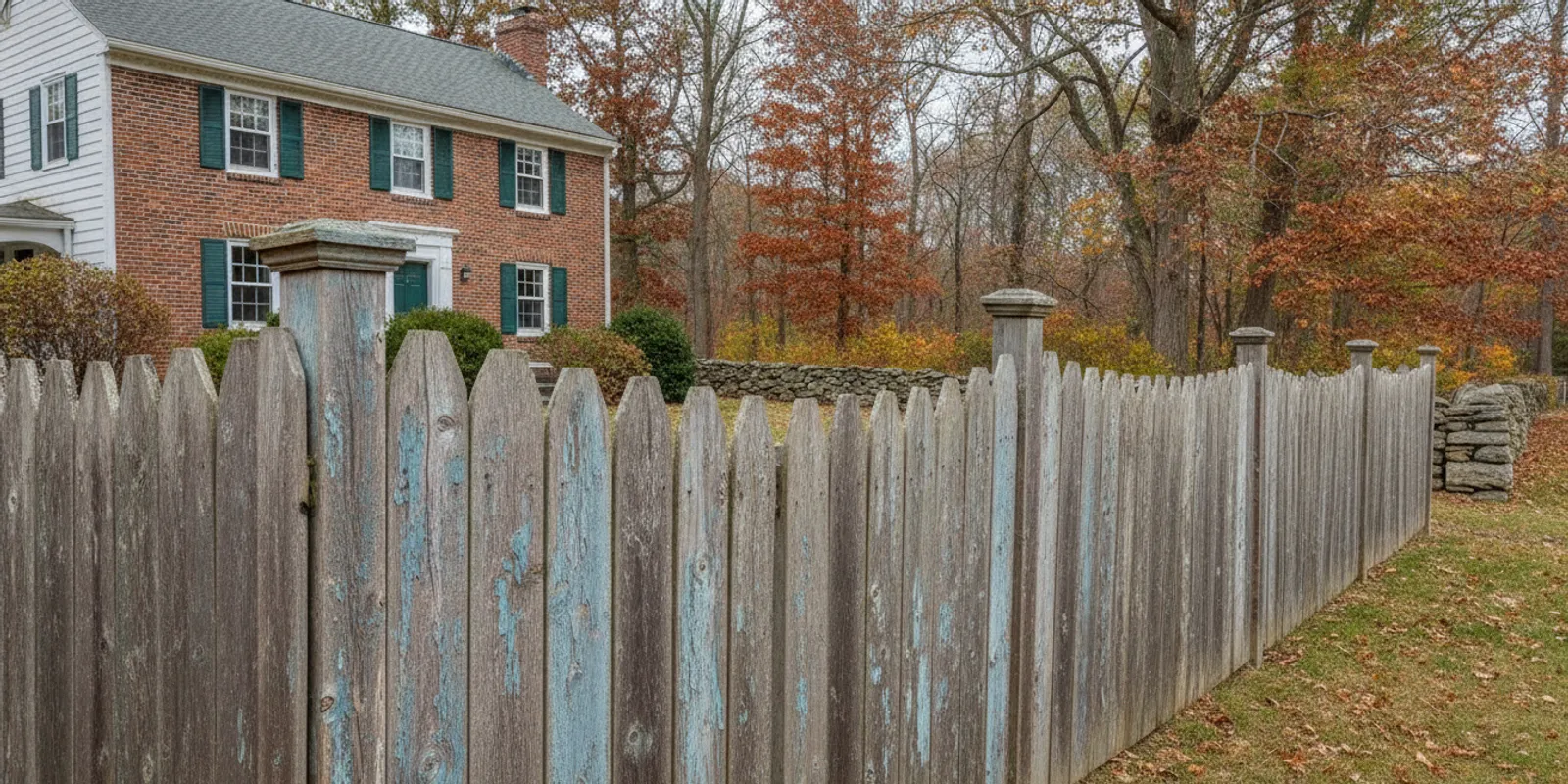
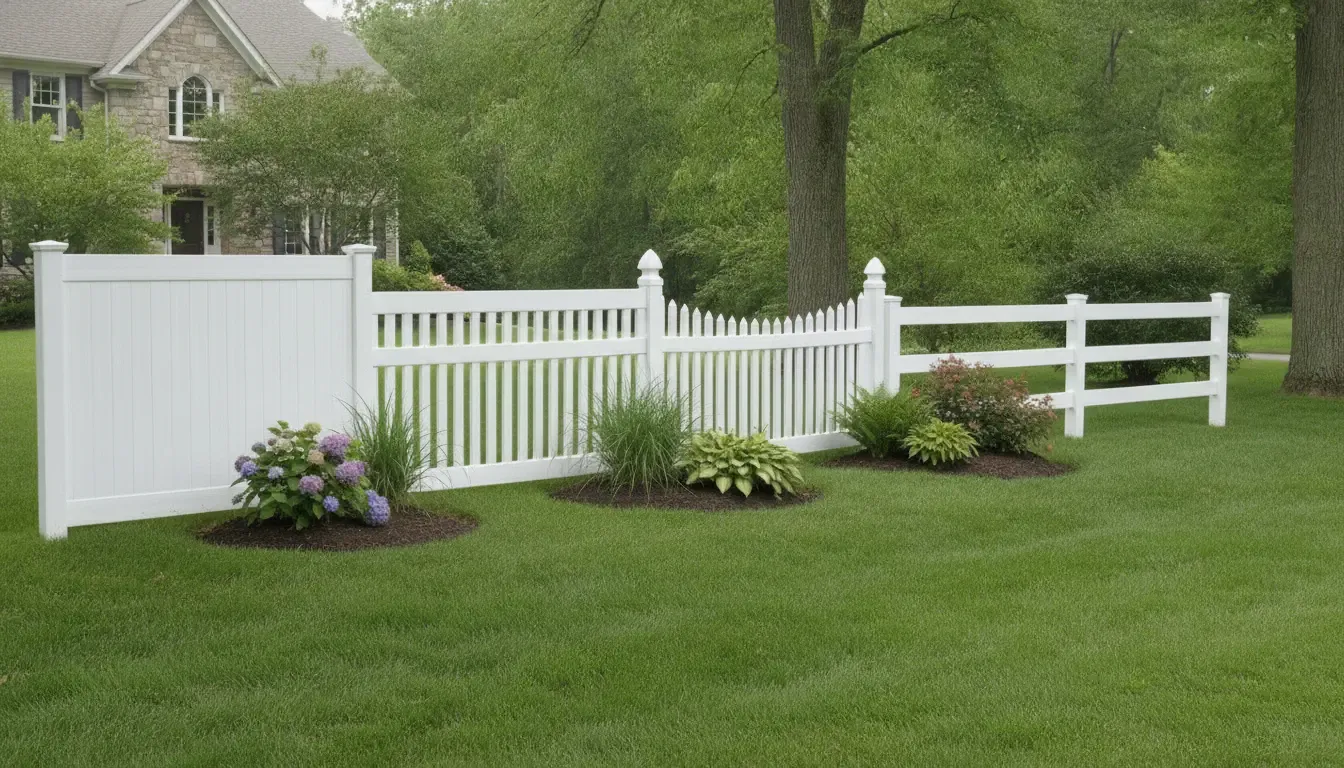
Aluminum fencing can provide an open appearance that preserves sightlines around the pool and landscaping. Vinyl fencing may be appropriate when a homeowner wants more visual screening or a lower-maintenance surface. Wood fencing can suit traditional New England architecture and provide a warmer, more private appearance, although it requires an ongoing maintenance plan. The right choice depends on the confirmed requirements, site, home, landscaping, privacy goals, and how the enclosure will be used.
Northstar's New England pool fence planning guide offers broader guidance on materials, design, and local requirements. For a Massachusetts project, those general considerations should be paired with current direction from the applicable municipality.
Northstar Fence & Rail helps homeowners evaluate these details during a free, no-obligation consultation. The company can discuss custom pool enclosures and the practical relationship between the proposed fence, property, and pool area without treating a general online summary as a substitute for local approval.
How Can Homeowners Avoid Common Pool Fence Compliance Problems?
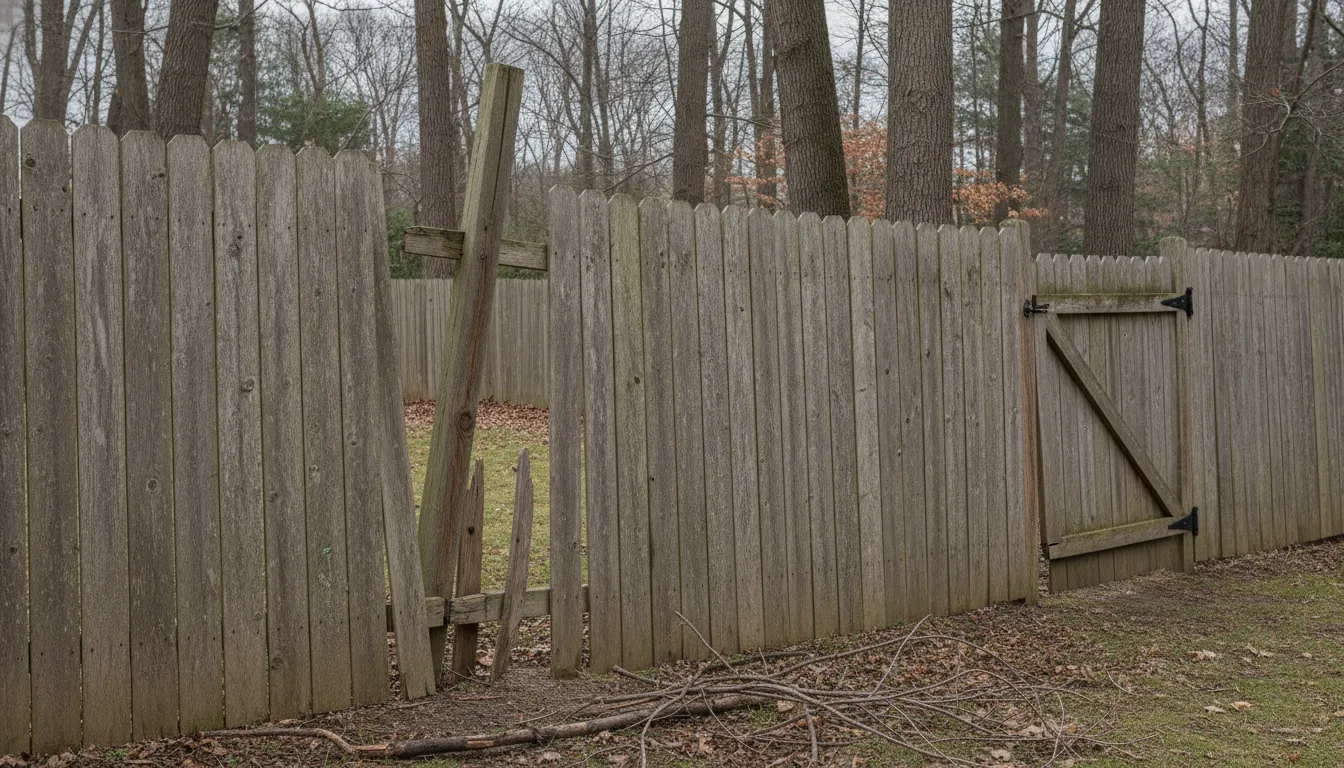
Many pool-enclosure problems begin with an assumption that sounds reasonable but has not been checked for the specific property. A fence may look tall enough and match a nearby home. It may even resemble a neighbor's enclosure. The project can still require a different review because of the pool type, grade, deck, access point, or local requirement.
Common assumptions to question
- The yard fence is enough.
A perimeter fence may not address every access point or satisfy the barrier approach required for the pool area. Ask the local authority how the existing fence should be evaluated.
- The same rule applies in every Massachusetts town.
State code and municipal administration can interact differently with a particular project. Confirm the current direction for the property.
- The pool wall solves the problem.
Above-ground pools can still involve ladders, decks, stairs, or other features that affect access and review.
- A gate is a small detail.
Gate location, swing, latch position, surrounding grade, and nearby objects can influence both safe operation and the final design.
- The old article is current.
Code editions and local guidance change. Check the date and source, then confirm the answer with the authority having jurisdiction.
Northstar's role is consultative and practical. The team helps homeowners think through the fence's material, layout, site conditions, and property needs. The homeowner confirms the applicable legal requirements with the municipality. That division of responsibility creates a better foundation for a well-planned project.
When the requirements and site information are clear, homeowners can make a more informed decision about an aluminum, vinyl, or wood enclosure. They can also discuss the project with a contractor confidently.
Request a free, no-obligation consultation with Northstar Fence & Rail at (603) 453-3698.
Frequently Asked Questions About Massachusetts Pool Fence Laws
Do I need a fence around my pool if my yard is already fenced?
Possibly. An existing yard fence may not address the pool barrier requirements, access points, gate operation, or nearby structures that apply to your property. Ask the local building department how the existing fence should be evaluated before assuming it is sufficient.
What are the legal requirements for fences in Massachusetts?
Requirements depend on the property, pool type, project scope, current Massachusetts building code, and local administration. Common items to verify include barrier height, openings, bottom clearance, climbability, gates, latches, and the relationship to decks, walls, grades, and other access points. Confirm the current application with the municipality.
Is it illegal to have an above-ground pool without a fence?
Do not assume that an above-ground pool is exempt. The pool wall, ladder, deck, steps, and other access features may affect the required safety approach. Ask the local authority what applies to the exact pool and property before installation or substantial alteration.
How close can something be to a pool fence?
Nearby objects may create climbing or access concerns, and the relevant details can depend on the barrier design and current code. Ask the building department how it evaluates furniture, equipment, retaining walls, landscaping, decks, and other features near the proposed enclosure. A site consultation can then account for those conditions in the layout.
Plan Your Massachusetts Pool Enclosure With Confidence
Understanding Massachusetts pool fence laws is a useful first step. A successful project also depends on the property, pool type, site conditions, design goals, and the current direction from the applicable local authority. Northstar Fence & Rail can help you evaluate those practical decisions during a free, no-obligation consultation.
Call Northstar Fence & Rail at (603) 453-3698 to discuss your Massachusetts pool-enclosure project.
Comments