Residential Fencing Options: Choosing the Right Fence for Your Home
Updated: Oct 7
Residential fencing options should be evaluated by the job your fence needs to do, the way you want your property to look, and the conditions of the site. Wood, vinyl, aluminum, and chain-link fencing can each be a strong choice, but the right answer depends on privacy, pets, children, security, pool safety, access, and long-term expectations. Northstar Fence & Rail's fence installation and commercial fencing services in Massachusetts and New Hampshire provide the broader context for planning a property-specific project.
What should you consider before choosing a residential fence?
Short answer: Start with the outcome you want, then compare fence materials and layouts against your property. Consider privacy, security, pet and child safety, pool separation, appearance, gates, terrain, drainage, and local requirements. A thoughtful plan can use more than one fence style when different parts of the property serve different purposes.
Many homeowners begin with a material. A better starting point is the property itself. A fence beside a pool may have a different purpose from a fence enclosing a dog run, screening a patio, defining a side yard, or protecting a garden. The best residential fencing plan may also combine a more private section at the back with an open, decorative section near the front.
- Privacy:
Do you want to screen a patio, pool area, driveway, or neighboring view?
- Pets and children:
Does the fence need to create a dependable boundary for play or pets?
- Security:
Should the layout control access, define a perimeter, or support a gate?
- Pool safety:
Does the pool area need a dedicated enclosure that accounts for current Massachusetts or local New Hampshire requirements?
- Appearance:
Should the fence blend with the home, landscaping, architecture, or a particular New England property style?
- Site conditions:
Will rock, ledge, slopes, wooded areas, drainage, or limited equipment access affect the plan?
These questions help narrow the field before a contractor recommends a material. Northstar Fence & Rail approaches residential fence installation as a property-specific planning conversation, not a one-size-fits-all product choice.
What are the main residential fencing options?
Short answer: The most common residential fencing options are wood fencing, vinyl fencing, aluminum fencing, and chain-link fencing. Wood is adaptable and traditional, vinyl offers a clean low-maintenance look, aluminum provides an open ornamental boundary, and chain-link is a practical way to define space. Each material has tradeoffs in privacy, appearance, use, and site fit.
Wood fencing
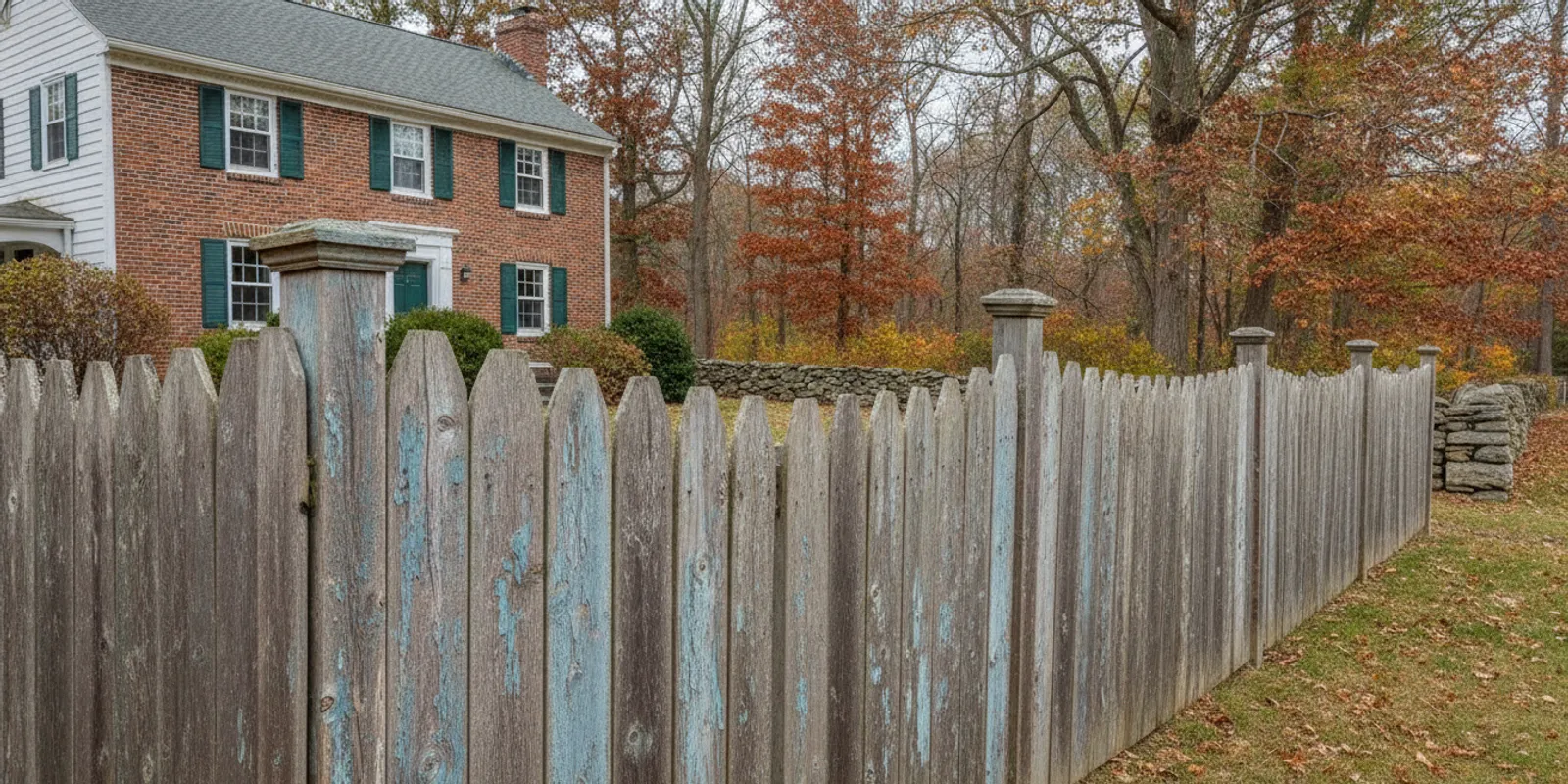
Wood fencing is a flexible choice for homeowners who want privacy, a warm traditional appearance, or a design that can be tailored to the property. Solid wood layouts can create a more secluded backyard or patio, while picket, post-and-rail, and other open designs can define space without making the yard feel closed in.
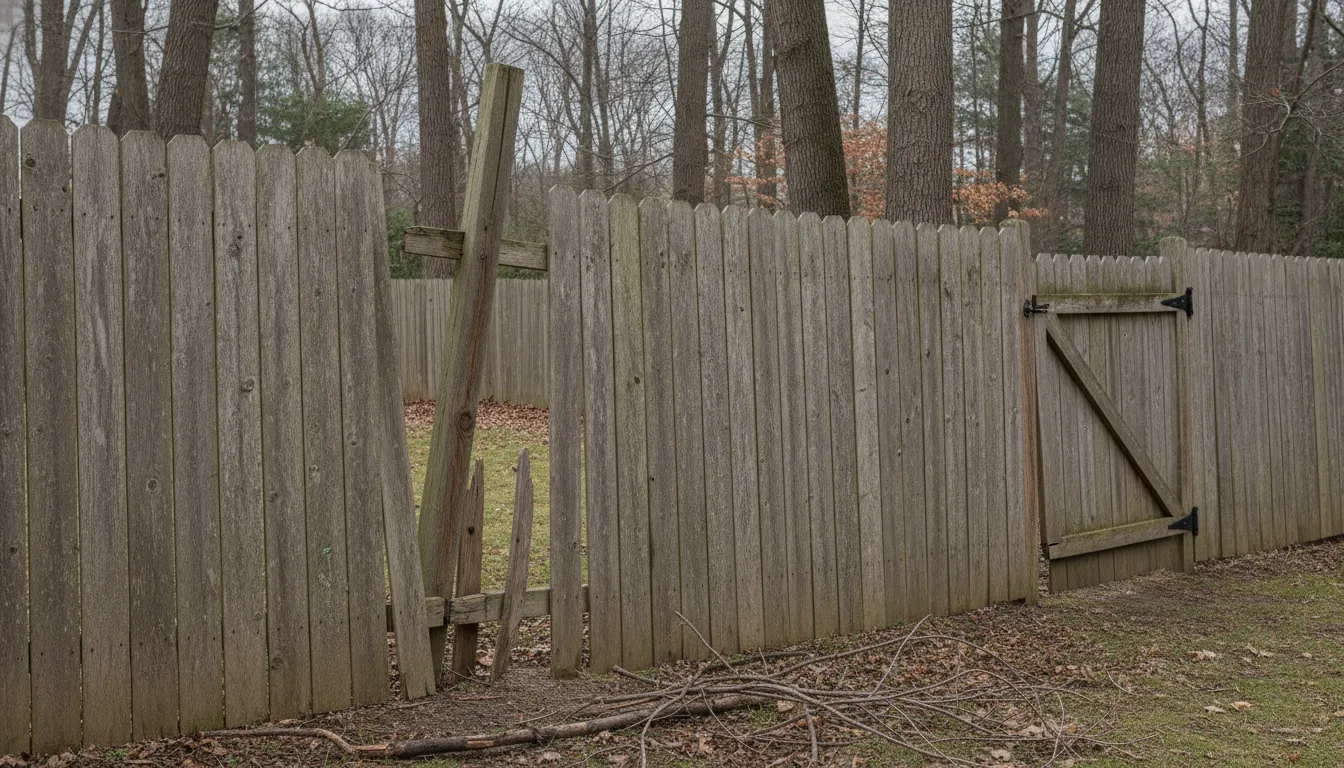
Wood can suit older homes, wooded properties, gardens, and custom residential projects where the fence should feel connected to the landscape. It also gives a homeowner room to discuss height, spacing, gate placement, and the visual relationship between the fence and the home. The tradeoff is that wood generally calls for more ongoing care than vinyl or aluminum. Exposure, drainage, vegetation, and the condition of the individual boards and posts all matter over time.
Vinyl fencing
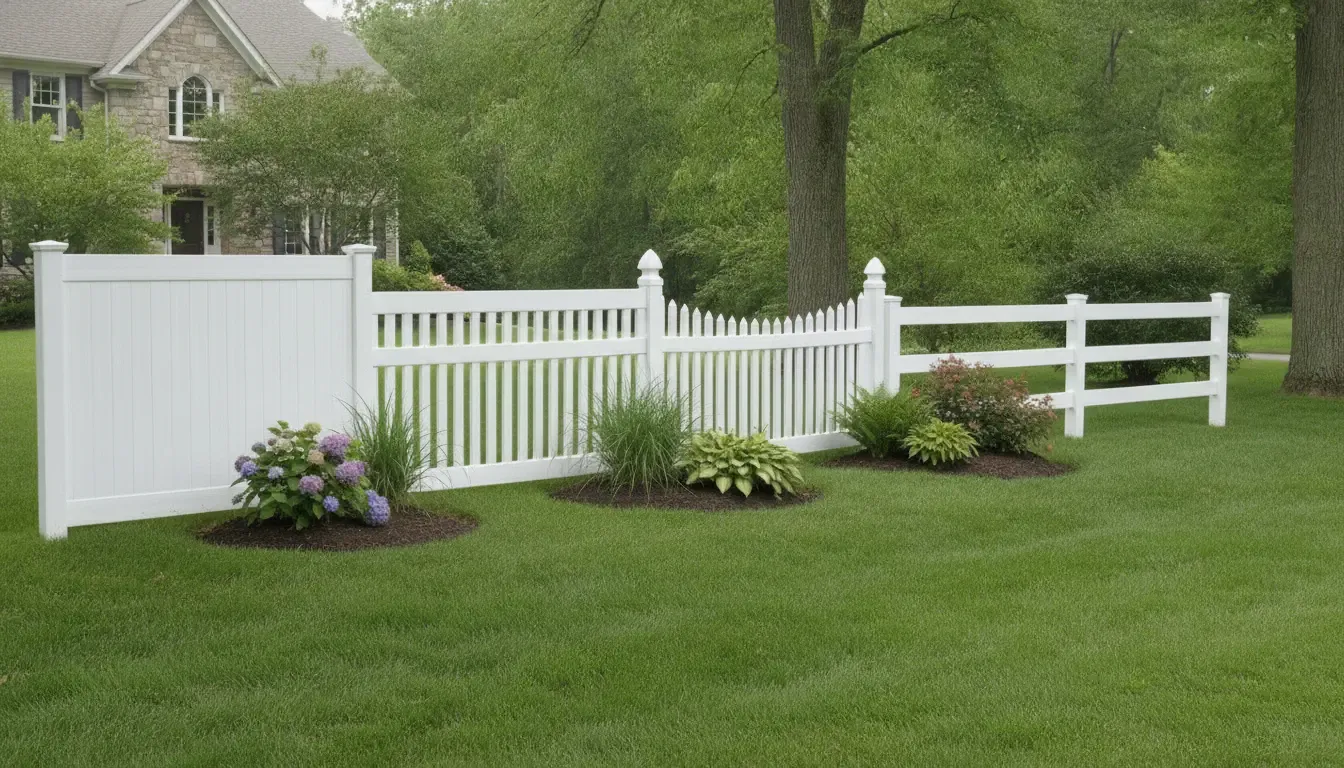
Vinyl fencing is often considered when a homeowner wants a crisp, consistent appearance and less routine upkeep than a painted or stained wood fence. It can work well for privacy, property boundaries, and open residential layouts. White vinyl is a familiar choice, while the design and height can be considered alongside the home and surrounding landscaping.
Vinyl is not automatically the right choice for every site. Layout, grade changes, wind exposure, gate size, and the appearance of the home should be evaluated before selecting a style. A consultation can also clarify where a more open material would preserve sightlines or where a privacy layout would better serve the property.
Aluminum fencing
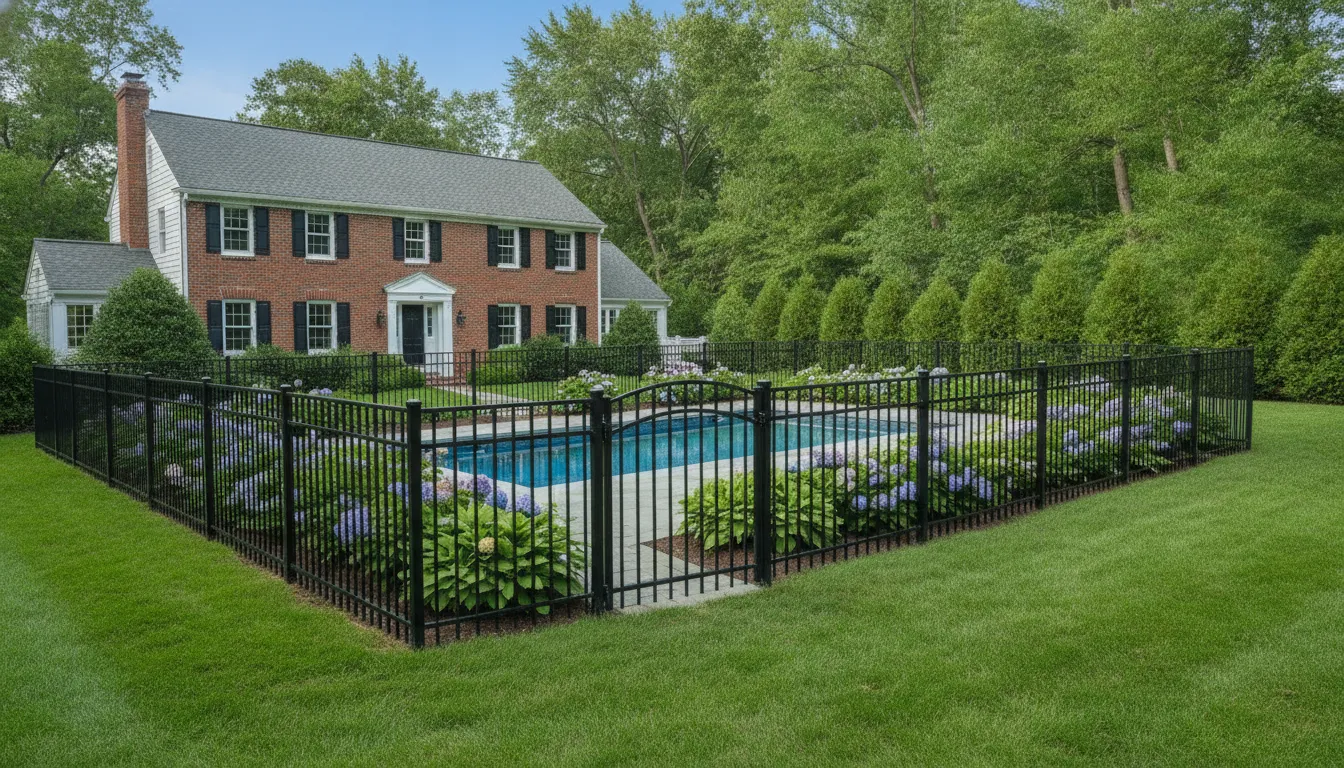
Aluminum fencing is a strong option for homeowners who want an attractive boundary with open views. Its vertical lines can complement landscaping, gardens, driveways, and more formal residential architecture. It is commonly considered for pool areas, front-yard boundaries, and spaces where a homeowner wants definition without a solid visual wall.
Because aluminum is open, it may not provide the privacy that a solid wood or vinyl design can offer. Its value is often in the balance between appearance, visibility, and boundary definition. A well-planned aluminum layout can make a yard feel finished while keeping the home and landscape visually connected.
Chain-link fencing
Chain-link fencing is a practical residential option for defining a yard, creating a pet boundary, or securing a larger area. It can be useful when function, visibility, and a straightforward perimeter matter more than a fully private appearance. Screening or landscape planning may be considered when more separation is needed, depending on the project.
Chain-link still deserves careful planning. Gate locations, transitions, property lines, terrain, and the relationship to driveways and play areas affect how well the finished fence works. A clear consultation helps determine whether chain-link is the right fit or whether another material better supports the home's appearance and goals.
Which fence material is best for privacy, pets, security, or pool safety?
Short answer: No single material is best for every residential goal. Wood and vinyl are often considered for privacy, aluminum can define a pool or yard while preserving visibility, and chain-link can create a functional pet or perimeter boundary. The layout, gate, height, spacing, and site conditions are just as important as the material.
Homeowner goal Options to discuss What to evaluate Privacy for a yard or patio Wood or vinyl Fence height, sightlines, property shape, landscaping, and gate placement Pet or child boundary Wood, vinyl, aluminum, or chain-link Spacing, transitions, openings, gate operation, and the age or behavior of children and pets Pool enclosure planning Aluminum, vinyl, or wood Pool layout, access points, visibility, local requirements, and the relationship to the house Front-yard definition Aluminum, wood, or open vinyl styles Curb appeal, driveway access, landscaping, and neighborhood context Functional perimeter Chain-link, wood, vinyl, or aluminum Property lines, terrain, access, gate needs, and desired appearance | ||
Pool projects deserve special care. A fence that looks attractive may still need to be planned around the pool's location, access points, doors, landscaping, and requirements that vary by Massachusetts municipality or Southern New Hampshire town. Northstar's Massachusetts pool fence requirements guide offers additional context, but homeowners should confirm current requirements with the applicable local authority.
For a broader view of the installation relationship between materials, property use, and project planning, see Northstar's fence installation and commercial fencing services in Massachusetts and New Hampshire. The same site-specific thinking used for larger projects helps residential homeowners make a more confident choice.
How do property size and terrain affect your fence decision?
Short answer: Property size and terrain affect the fence layout, equipment access, post locations, gate operation, and installation approach. Slopes, rock and ledge, wooded areas, ponds, drainage, narrow side yards, and long property lines can change what is practical. A site review helps connect the preferred fence style to real conditions.
A level suburban yard may allow a straightforward layout, while a sloped or irregular property can require more careful transitions. On a wooded lot, trees and roots may affect access and the path of the fence. Rock and ledge can influence where posts can be placed and what equipment is appropriate. These conditions are common considerations in New England, but they are not identical on every Massachusetts or New Hampshire property.
Property size matters in a different way. A long perimeter may call for a material and layout that remain visually comfortable across the full boundary. A small urban or village lot may need careful attention to sightlines, neighboring relationships, gates, and transitions near the home. A pool, driveway, shed, garden, or play area can divide one project into several zones, each with a different purpose.
Drainage and changing weather conditions also belong in the conversation. Water movement, soft ground, frost-related conditions, and poorly planned transitions can affect how a fence and gate perform over time. Northstar evaluates the property and helps homeowners decide which materials, layout, and gate details fit the actual site rather than selecting a fence from a photo alone.

How can a homeowner compare residential fencing options?
Short answer: Compare each option against the same practical questions: What should the fence accomplish, how private should it feel, how will people and pets move through the property, what gates are needed, and what site conditions could affect installation? Then ask an experienced fence contractor to review the property and explain the tradeoffs.
- Define the primary purpose.
Decide whether the project is mainly about privacy, safety, security, appearance, access control, or a combination.
- Separate the property into zones.
A backyard, front boundary, pool area, driveway, and pet space may not need the same fence.
- Review the material tradeoffs.
Compare privacy, visibility, maintenance expectations, design, gate compatibility, and how the material fits the home.
- Look at the site, not only the sample.
Note slopes, ledge, trees, drainage, existing structures, access limitations, and property lines.
- Plan the gates early.
Gate width, swing, latch location, clearances, and daily use can influence the fence layout.
- Confirm local requirements.
Pool projects and some property conditions may involve town-specific rules or permitting questions.
Northstar Fence & Rail helps homeowners weigh these factors during a free, no-obligation consultation. The goal is not to push one material. It is to identify a fence plan that supports the property, the way the household uses it, and the level of privacy, safety, security, and appearance the homeowner wants.
Frequently asked questions about residential fencing options
What is the best residential fence for privacy?
Wood and vinyl are common options for a more private residential boundary, but the best choice depends on the home's style, the desired appearance, the property layout, gate needs, and site conditions. A consultation can help compare solid and partially open layouts before a homeowner commits to a material.
What type of fence is best for a dog or children?
The right fence depends on the child or pet, the yard, spacing, height, gates, and how the household uses the space. Wood, vinyl, aluminum, and chain-link can all be considered. The important question is whether the complete boundary and gate plan create the intended level of separation and control.
Is aluminum a good option for a pool fence?
Aluminum is often considered for pool areas because it can define the enclosure while preserving visibility. The pool shape, access points, gate, surrounding landscape, and current local requirements still need to be evaluated. Massachusetts and New Hampshire requirements can vary by municipality, so confirm the applicable rules.
Can a property use more than one type of residential fence?
Yes. A homeowner may choose a privacy material for a backyard, an open aluminum design near landscaping, and a different boundary for a pet or pool area. Using more than one style can make the plan more responsive to privacy, appearance, safety, and property use.
Why should terrain be reviewed before choosing a fence?
Terrain can affect post locations, transitions, equipment access, drainage, gate operation, and the installation approach. Rock, ledge, slopes, trees, and uneven ground are not the same on every property. Reviewing those conditions early helps the contractor recommend a realistic material and layout.
Call Northstar Fence & Rail at (603) 453-3698 for a free, no-obligation residential fencing consultation. Northstar serves homeowners across Massachusetts and Southern New Hampshire with custom residential fencing, gates, pool enclosures, repairs, and restoration.
Comments