Best Privacy Fence Material: Wood, Vinyl, or Aluminum
The best privacy fence material depends on how much visual screening you want, how much maintenance you are willing to plan for, and how the fence needs to work with your New England property. Wood can deliver the most traditional solid coverage, vinyl offers consistent privacy with less routine upkeep, and aluminum is often better for style, boundaries, and partial visibility than complete screening.
Want help comparing privacy fence options for your yard? Call Northstar Fence & Rail at (603) 453-3698 to request a free, no-obligation consultation.
Which privacy fence material is best for most homes?
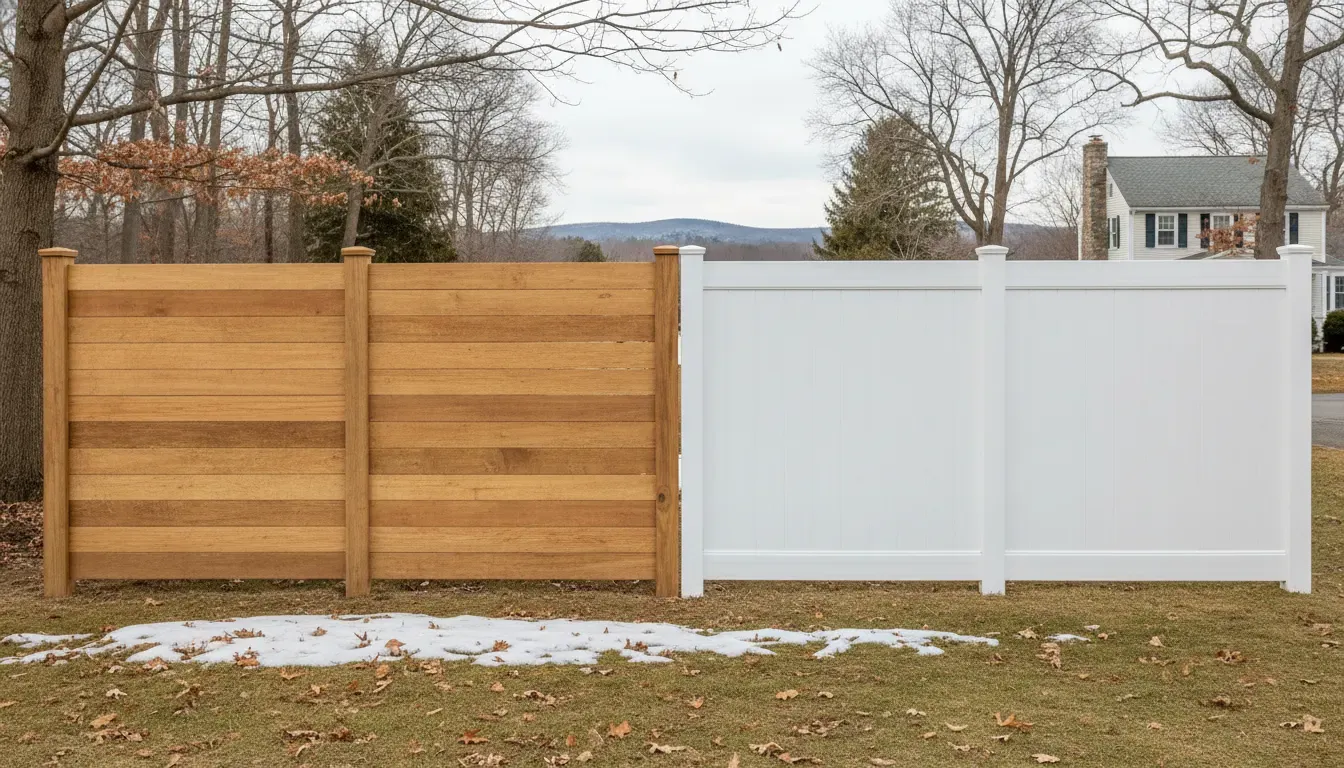
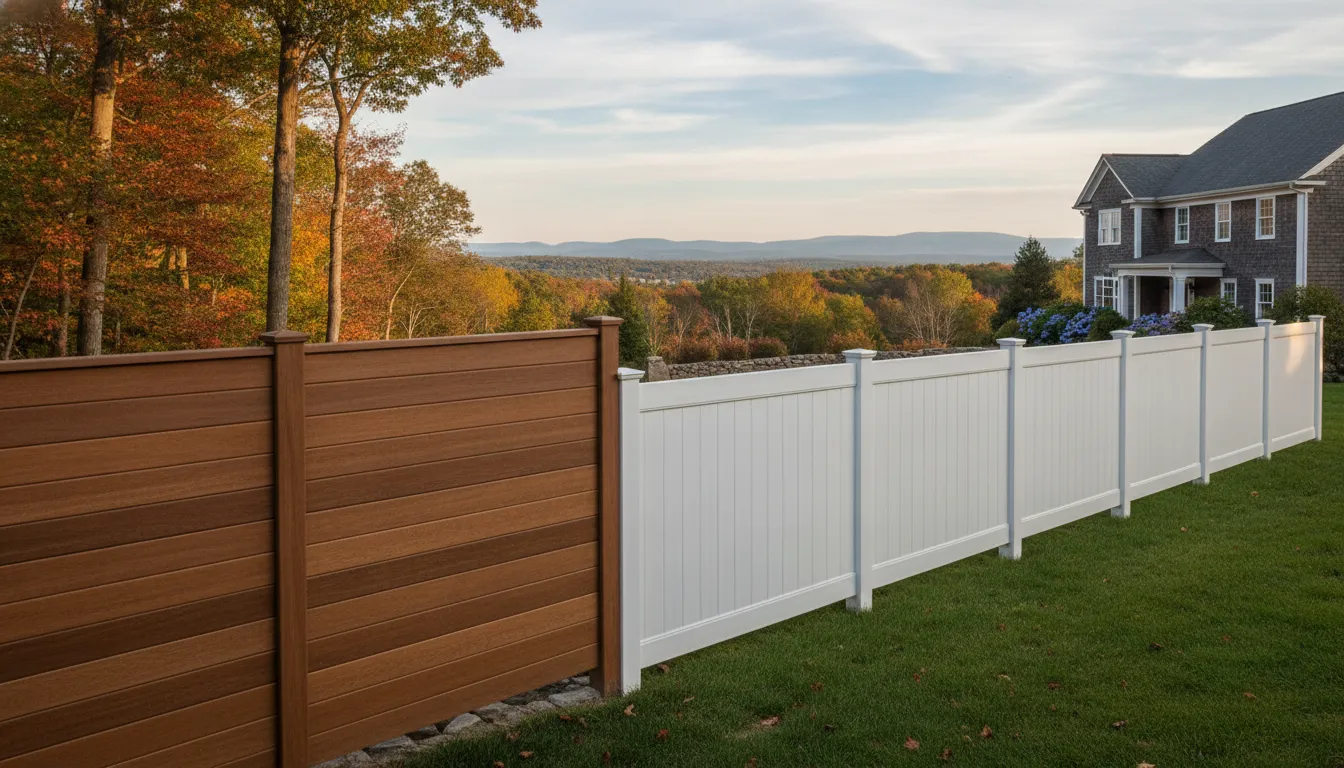
For most homeowners who want strong visual privacy, wood or vinyl is the better starting point because both can be designed with closely spaced or solid panels. Wood brings natural character and flexible customization. Vinyl brings a clean, uniform look and low-maintenance ownership. Aluminum is usually the better choice when the goal is elegant separation rather than a fully screened yard.
Material | Privacy strength | Maintenance profile | Best fit |
Wood fencing | High with solid-panel designs | Periodic care and inspection | Natural appearance and adaptable privacy |
Vinyl fencing | High with privacy-panel designs | Low routine upkeep | Consistent screening and a clean finish |
Aluminum fencing | Low to moderate, depending on design | Low routine upkeep | Elegant boundaries, visibility, and open sightlines |
This privacy-first comparison is narrower than a general list of every fence type. For the broader planning context, explore Northstar Fence & Rail's fence material resources as the site develops its New England homeowner guides.
Wood privacy fences: traditional appeal and solid coverage
Wood fencing is often the first material homeowners consider when privacy is the main goal. A well-planned solid wood fence can interrupt views, define an outdoor room, and complement traditional New England architecture. It also gives a homeowner room to make choices about board direction, spacing, cap details, and the visual relationship between the fence and the house.
Why homeowners choose wood for privacy
- Strong visual screening:
Solid boards can create a clear barrier between the yard and nearby homes, roads, or outdoor activity.
- Warm, natural character:
Wood works well with Colonial, farmhouse, Cape, and other traditional home styles.
- Flexible design:
Board layout, height, top details, and gate design can be coordinated with the property.
- Repairable sections:
When a portion of a fence is damaged, a professional can evaluate whether a section can be restored rather than treating the entire system as a replacement.
What to consider before selecting wood
Wood is not a set-it-and-forget-it material. Moisture, sunlight, falling branches, lawn equipment, and seasonal movement can affect its appearance and performance over time. The right maintenance expectations depend on the specific wood product, finish, exposure, drainage, and installation details. A fence professional can help you choose a design that provides privacy without creating an avoidable maintenance burden.
Wood can also be a strong fit when the privacy fence needs to feel like part of the landscape rather than a stark visual wall. On a wooded or gently sloped property, the layout, transitions, and gate placement matter as much as the panel style.
Vinyl privacy fences: low maintenance with consistent coverage
Vinyl fencing is a strong option for homeowners who want dependable visual screening without the recurring painting or staining associated with many wood-fence plans. Its clean lines and consistent panel appearance suit modern homes, updated traditional properties, and yards where the homeowner wants privacy to look orderly from season to season.
Why vinyl works well for a privacy-first project
- Uniform coverage:
Privacy-panel designs create a consistent screen along the property line.
- Low routine maintenance:
Vinyl does not require the same painting or staining routine as a wood fence.
- Clean visual profile:
The material can create a polished backdrop for planting beds, patios, pools, and outdoor living areas.
- Useful for busy homeowners:
A low-maintenance material can reduce the amount of regular fence care a homeowner wants to schedule.
What are the tradeoffs of vinyl privacy fencing?
Vinyl has a more uniform manufactured appearance than wood, so it may not be the right match for a homeowner who wants visible grain and natural variation. Panel color, height, privacy layout, and site exposure should also be considered together. On a property with tight access, uneven ground, or unusual transitions, the project still requires careful planning. Low maintenance does not remove the need for a sound design and installation plan.
Northstar Fence & Rail provides vinyl fencing for residential and commercial applications. A consultation can help determine whether a vinyl privacy layout fits the home, property line, surrounding landscape, and the level of screening the homeowner actually wants.
Aluminum fencing: when you want style without total blockage
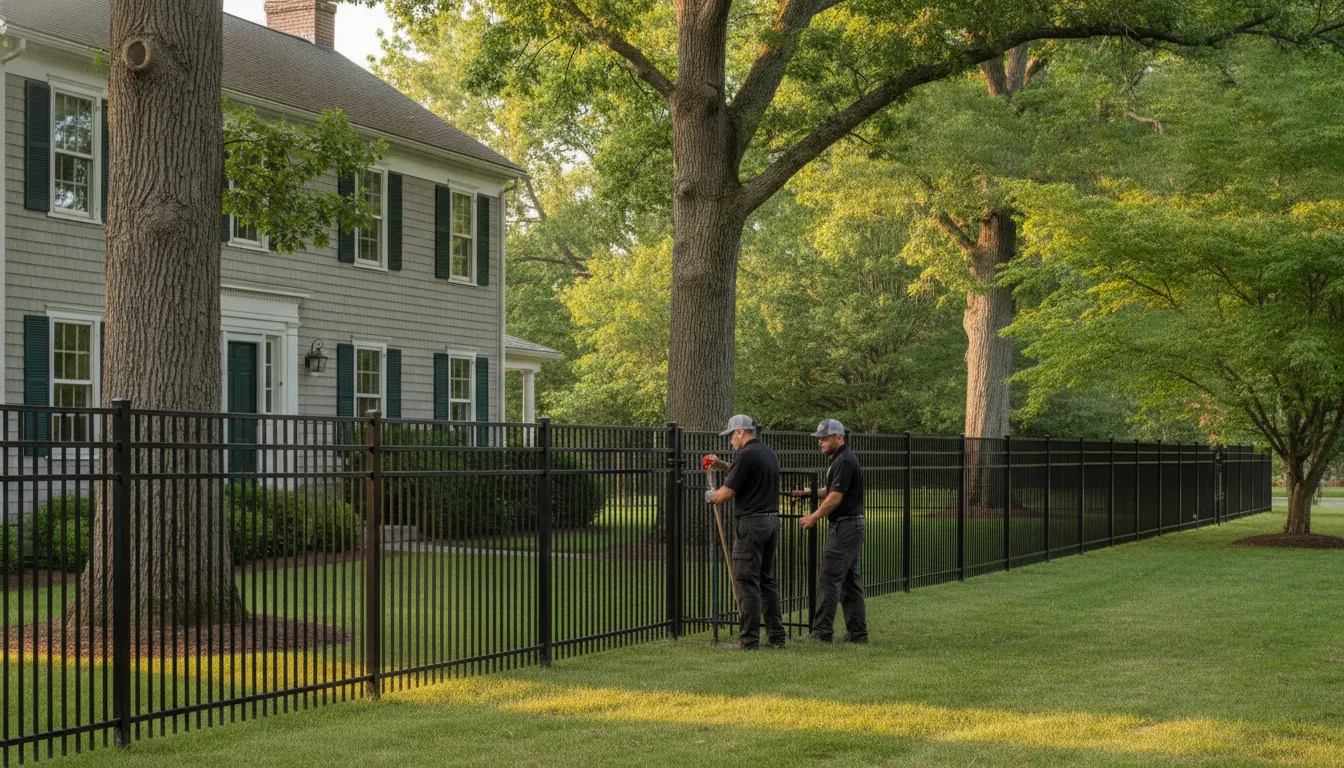
Aluminum fencing is usually not the first choice for maximum privacy because many aluminum designs use open pickets and rails. Its strength is a different privacy outcome: defining a property, controlling access, and creating an elegant boundary while preserving selected views. That can be valuable when a homeowner wants security or separation without making a yard feel closed in.
Where aluminum can be the better privacy decision
- Partial privacy:
Open spacing can block a direct path while keeping sightlines through the property.
- Architectural coordination:
Black aluminum can complement stone, brick, landscaping, and contemporary or traditional details.
- Low-maintenance ownership:
Aluminum is a practical option when the homeowner wants a refined boundary without wood-style upkeep.
- Pool and landscape settings:
Open fencing can help preserve visibility where the design and applicable local requirements call for it.
If privacy means blocking every view into the yard, aluminum may need to be limited to selected sections, gates, or transitions rather than used as the primary screening material. If privacy means creating a defined, comfortable outdoor space while keeping the property visually connected, aluminum may be a more appropriate fit.
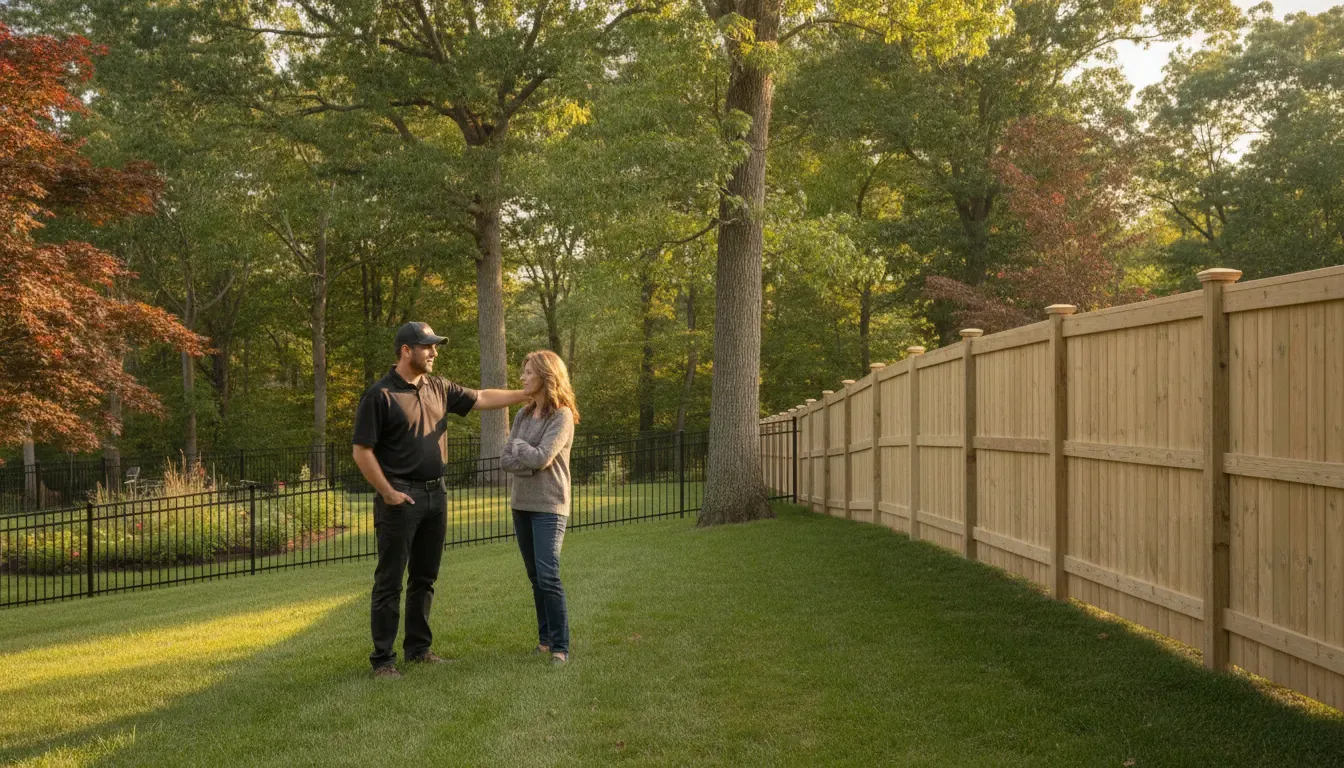
Privacy planning should account for sightlines, property conditions, and how the fence relates to the rest of the yard.
How should Massachusetts and Southern New Hampshire homeowners choose?
The right privacy fence is the material and layout that solve the actual privacy problem without creating a poor fit for the property. Start with the views you want to block, then consider maintenance, architecture, gates, terrain, drainage, access, and local requirements. A material comparison is useful, but a site-specific plan is what turns a preference into a fence that works.
- Define the privacy outcome:
Do you want full screening from a neighbor, a quieter-feeling patio, privacy around a pool, or a clear boundary for children and pets?
- Map the important sightlines:
Privacy may be needed along one side of the yard, near a patio, or at a gate rather than across every property line.
- Match the material to the home:
Wood can reinforce natural or traditional character, vinyl can create an even finished look, and aluminum can preserve openness and architectural detail.
- Consider upkeep honestly:
Choose the maintenance level you are prepared to own, not only the appearance you prefer on installation day.
- Plan gates with the fence:
A privacy fence can be undermined by an awkward gate location, poor clearance, or a layout that does not support everyday access.
- Account for the site:
Rock, ledge, slopes, wooded areas, drainage, narrow access, and changing seasonal ground conditions can affect planning and installation methods.
- Confirm local requirements:
Fence rules and permit expectations can vary by Massachusetts or New Hampshire municipality, so verify current requirements for the property.
Homeowners comparing materials can also review Northstar's New England pool-fence planning guide when privacy, visibility, pool-area design, and local review requirements overlap. The material decision should follow the property and its use, rather than forcing every project into the same fence style.
Ready to compare wood, vinyl, and aluminum for your property? Call (603) 453-3698 for a free, no-obligation consultation with Northstar Fence & Rail.
Questions homeowners ask about privacy fence materials
Wood and vinyl are usually the strongest choices for full visual privacy, while aluminum is better suited to partial screening, boundaries, and open sightlines. The best decision depends on the property, desired privacy level, maintenance expectations, design, gates, and local site conditions in Massachusetts or Southern New Hampshire.
Is wood or vinyl better for a fully private backyard?
Both can provide strong privacy when designed with solid or closely spaced panels. Wood is a good fit for natural character and flexible customization. Vinyl is a good fit for a consistent appearance and lower routine upkeep. The property and the homeowner's maintenance expectations should decide between them.
Does aluminum fencing provide privacy?
Most aluminum fence designs provide boundary definition and visibility rather than complete visual screening. Aluminum may be appropriate when a homeowner wants an elegant barrier, controlled access, and an open connection to the landscape. For full privacy, wood or vinyl is usually the more direct starting point.
What is the lowest-maintenance privacy fence material?
Vinyl is commonly considered a low-maintenance choice for privacy-panel fencing because it does not require the same painting or staining routine as wood. Aluminum also has a low-maintenance profile, but its common open designs do not provide the same level of visual coverage.
What should I ask a fence contractor about privacy?
Ask how the proposed material will block specific sightlines, how gates and corners will be handled, what site conditions may affect the layout, and which local requirements need to be confirmed. A useful contractor should explain the tradeoffs instead of presenting one material as right for every property.
Plan your privacy fence with Northstar Fence & Rail
Northstar Fence & Rail helps homeowners compare wood fencing, vinyl fencing, aluminum fencing, gates, and custom solutions across Massachusetts and Southern New Hampshire. With more than 50 years of combined family-business and fencing experience, the team takes a consultation-led approach to property needs, appearance, privacy, security, and long-term service.
Call (603) 453-3698 to request your free, no-obligation consultation.
Comments