Wood vs. Vinyl Fence: Which Lasts Longer in Cold Climates?
For homeowners comparing a wood vs vinyl fence in a cold climate, the best choice depends on more than the first impression or the initial quote. Massachusetts and Southern New Hampshire fences must handle freeze-thaw movement, wet snow, spring moisture, summer humidity, and changing soil conditions. Wood offers natural character and flexible design. Vinyl offers a low-maintenance surface that does not absorb moisture in the same way. The right decision comes down to your property's conditions, appearance goals, maintenance expectations, and how you want the fence to look several winters from now.
Want help weighing wood and vinyl for your property? Request a free, no-obligation consultation with Northstar Fence & Rail or call (603) 453-3698.
Wood vs. Vinyl Fence in a Cold Climate: The Short Answer
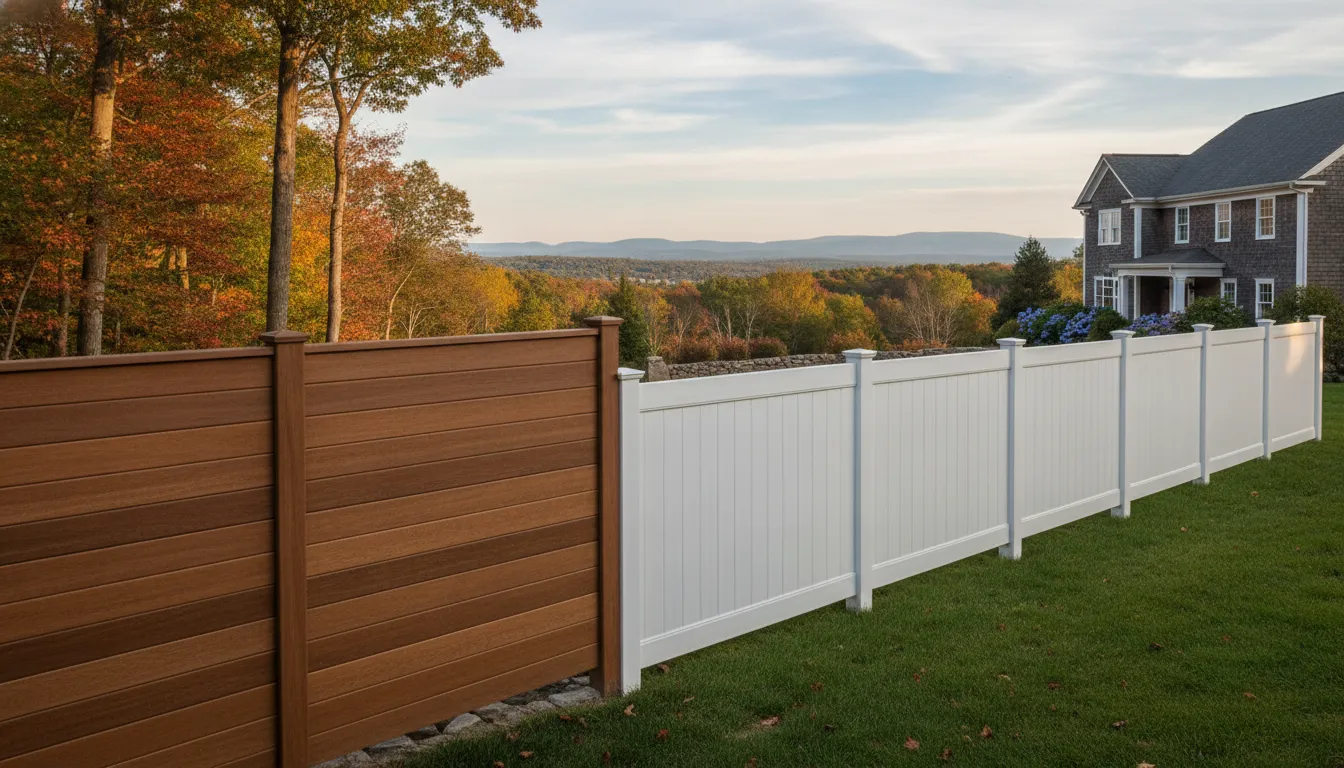
A wood fence is often the better fit for homeowners who value a natural appearance, custom finishing, and a material that can age with the property. A vinyl fence is often the better fit for homeowners who want a consistent appearance with less recurring maintenance. In New England, neither material succeeds on product choice alone. Site drainage, fence layout, post setting, exposure, gate design, and installation quality all influence how the finished fence performs.
Consideration | Wood fencing | Vinyl fencing |
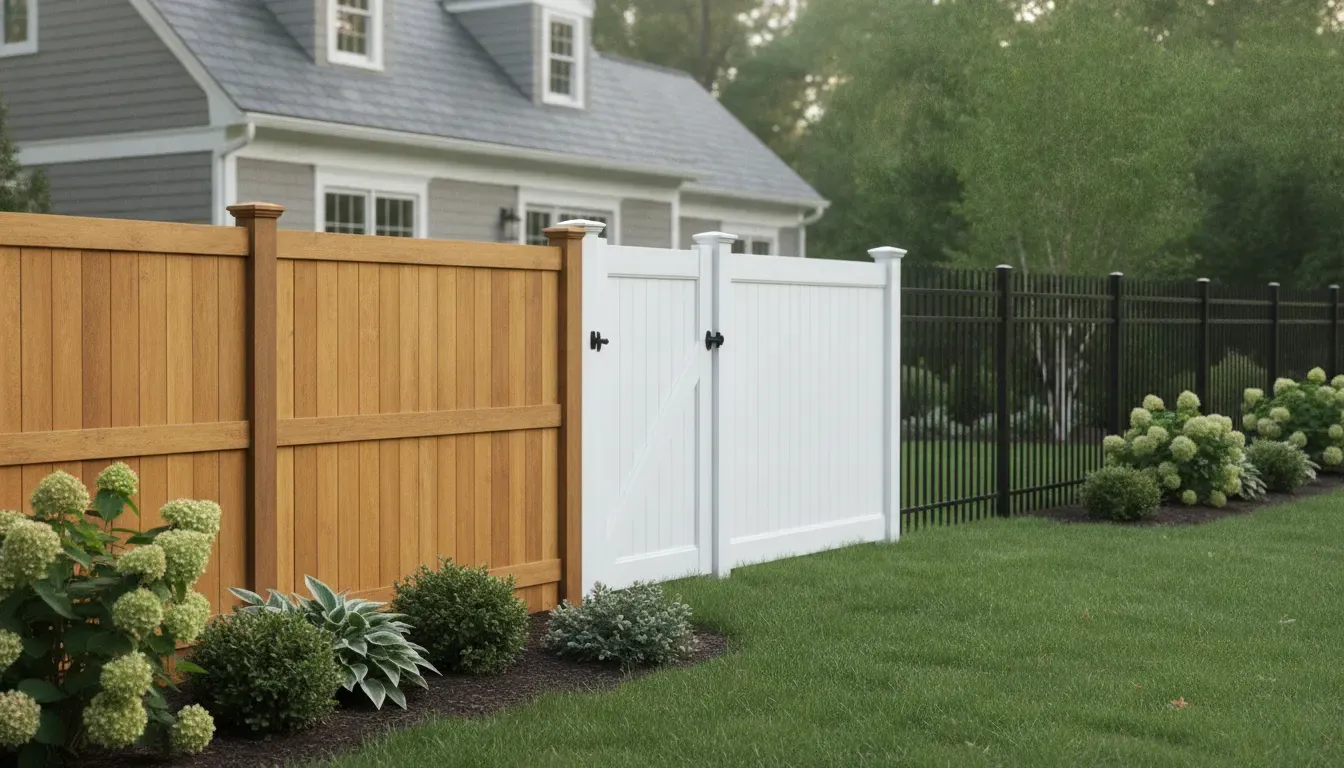
Appearance | Warm, natural, and easy to stain or paint | Clean, consistent, and available in several styles and colors |
Moisture response | Needs protection and inspection as weather exposure accumulates | Does not rot, but panels and components still need proper handling |
Cold-weather concern | Moisture, splitting, rot, and movement can affect aging | Very cold conditions can make some products less forgiving of impact |
Maintenance | Periodic cleaning, inspection, and finish work may be needed | Usually limited to cleaning and checking hardware and alignment |
Best fit | Natural style, custom details, and owners willing to maintain the finish | Low upkeep, consistent privacy, and a uniform long-term look |
The table is a starting point, not a substitute for looking at the property. A shaded, damp yard has different needs from an open, well-drained lot. A consultation connects the material decision to the actual site.
How Freeze-Thaw Cycles Affect Wood and Vinyl Fences
Freeze-thaw cycles affect a fence through both the material and the ground around it. When wet soil freezes, it can expand. When that soil thaws, it can shift again. Repeated movement can put stress on posts, rails, panels, and gates, especially when a fence has poor drainage, inconsistent support, or a layout that does not account for grade changes.
Wood responds to moisture by taking in and releasing water. Over time, repeated wetting and drying can contribute to checking, splitting, swelling, warping, or decay when the wood is not properly maintained. A wood fence in an exposed or damp location may need closer inspection than one in a sheltered, well-drained yard. The finish, the wood type, the post condition, and the way water moves through the property all matter.
Vinyl does not absorb water like wood, so rot is not the same concern. That does not mean vinyl is unaffected by winter. Very cold temperatures can make some vinyl components less tolerant of a hard impact. Snow removal equipment, fallen branches, vehicles, and other force near the fence can damage panels or posts. Vinyl also depends on sound support and correct alignment. A low-maintenance surface cannot compensate for unstable ground or a poorly planned gate.
In both systems, New England winter performance is partly an installation question. Ask how the contractor evaluates soil, drainage, frost movement, slopes, access, and gate locations before recommending a material. Those details can matter more than a simple claim that one material is best for every cold-weather property.
Mid-project question: if you are unsure whether your property needs wood or vinyl, review Northstar Fence & Rail's fence guidance and bring your priorities, photos, and site questions to a consultation.
Wood Fencing in Massachusetts and Southern New Hampshire
Wood fencing remains a strong choice for New England homes because it feels familiar, adaptable, and connected to the surrounding landscape. Cedar and pressure-treated wood can support privacy, boundary definition, pet areas, and decorative designs. Wood can also be stained or painted to complement the home, which gives homeowners more control over the look as the property changes.
Advantages of wood fencing
- Natural character:
Wood adds warmth and texture that can suit traditional homes, wooded lots, and established landscapes.
- Design flexibility:
Boards, rails, post caps, heights, and finish choices can be combined in many ways.
- Repair flexibility:
In some situations, an individual board or section can be addressed without replacing the entire run.
- Property fit:
Wood can work well where a homeowner wants the fence to feel integrated with the house and yard rather than visually uniform.
Tradeoffs to plan for
- Recurring upkeep:
Cleaning, inspection, and finish work may be part of protecting the appearance and reducing moisture-related wear.
- Natural variation:
Wood changes as it weathers. Boards can vary in color and texture, and a maintained finish will not stay identical forever.
- Moisture exposure:
Poor drainage, vegetation contact, and water held near the base can accelerate deterioration.
- Winter movement:
Wood sections, posts, and gates still need a site plan that accounts for soil movement, snow, and changing grades.
A wood fence is not automatically a high-maintenance mistake. It is a material that rewards a homeowner who appreciates its character and is prepared to care for it. During a consultation, ask which wood option suits the site, how the finish should be maintained, and which signs of winter wear deserve attention.
Vinyl Fencing in New England Winters
Vinyl fencing appeals to homeowners who want privacy or boundary definition without recurring staining or painting. Its consistent surface can make a property look polished through multiple seasons, and occasional cleaning can remove pollen, dirt, and other surface buildup. Vinyl is also a practical option when a homeowner wants the fence appearance to remain fairly uniform over time.
Advantages of vinyl fencing
- Low surface maintenance:
Vinyl does not require the same staining or sealing routine as a wood fence.
- Moisture resistance:
Vinyl will not rot like wood, which can be useful in damp areas when the rest of the system is properly supported.
- Consistent appearance:
The material provides a clean, even look that suits privacy fencing and many contemporary properties.
- Family and pet use:
Smooth surfaces and privacy layouts can support everyday outdoor use when the design fits the site.
Tradeoffs to plan for
- Impact sensitivity in severe cold:
Some vinyl products can be less forgiving when struck during very cold weather.
- Component replacement:
A damaged panel, post, or rail may require a material-specific replacement rather than a simple finish repair.
- Expansion and movement:
Vinyl systems need room to respond to seasonal conditions and must be installed with the system's requirements in mind.
- Site visibility:
A bright or highly uniform fence can be more noticeable than wood, so color and layout deserve attention.
Vinyl can be an excellent cold-climate choice when the homeowner values low upkeep and the product, layout, and installation are appropriate for the property. Ask how the proposed system handles gates, grade changes, snow clearance, and repairs before selecting it.
Which Material Needs More Maintenance?
Wood generally needs more ongoing maintenance than vinyl because its surface and structure are affected by moisture, sunlight, and weathering. That may include cleaning, checking for splitting or rot, and refreshing a stain or protective finish when needed. Vinyl usually requires less surface care, but it still benefits from cleaning, hardware checks, and inspection after severe weather or an impact.
Maintenance is also shaped by the property. A fence beneath dense trees may collect more debris. A low area near a pond or poorly draining yard may stay damp longer. A fence beside a driveway may face more risk from snow removal. A gate used many times a day may need more attention than a stationary section. The best comparison is not "no maintenance" versus "maintenance." It is the kind of attention you are willing to provide and the conditions your fence will face.
If you want wood, plan for the finish as part of ownership rather than treating it as an unexpected chore. If you want vinyl, plan for cleaning and for prompt attention if an impact damages a panel. In either case, a professional inspection can help separate normal seasonal movement from a condition that needs repair.
How Do Wood and Vinyl Compare Over Time?
Long-term value includes more than purchase price. It includes maintenance effort, the cost of addressing weather-related damage, the appearance you want to preserve, and how well the fence supports the property's use. A less expensive starting option can require more owner time. A low-maintenance option can require a larger initial commitment or more specialized replacement if a component is damaged.
Northstar Fence & Rail treats pricing as consultation-based because a fence quote depends on the material, height, length, terrain, access, gates, site conditions, and project scope. Rather than relying on a universal cost range, ask for a clear explanation of what the proposed system includes and which conditions may affect the final recommendation.
- Choose wood when:
natural appearance, custom finishing, and design flexibility matter most, and you are comfortable planning for upkeep.
- Choose vinyl when:
low surface maintenance, consistent privacy, and a uniform appearance matter most.
- Compare the site before the material:
drainage, slope, shade, access, snow handling, and gate use can change the practical answer.
- Compare the complete system:
posts, rails, panels, gates, hardware, layout, and installation quality all contribute to performance.
For a broader look at New England fence styles and a classic wood option, see Northstar's guide to post-and-rail fencing in New England. The right material should support the home's architecture and the way the property is actually used.
What Should You Ask Before Requesting a Fence Consultation?
A productive consultation starts with the questions that affect the decision. You do not need to know the final material before speaking with a contractor. Bring the goal, the property conditions you have noticed, and any concerns about winter performance.
Which material best fits the home's style and the property's exposure?
How will drainage, slope, rock, ledge, or difficult access affect the plan?
How should the fence be laid out around driveways, walkways, trees, pools, or neighboring properties?
What upkeep should I expect from the recommended wood or vinyl system?
How will gates be planned for daily use, winter movement, and long-term operation?
Which local requirements should I confirm with my municipality or other authority?
What is included in the consultation-based project recommendation?
Local requirements can vary among Massachusetts and New Hampshire municipalities. A contractor can help identify planning questions, but homeowners should confirm current rules with the applicable town or authority before work begins.
Ready to compare your options? Request a free, no-obligation consultation from Northstar Fence & Rail to discuss wood fencing, vinyl fencing, the property, and the conditions that matter most.
Frequently Asked Questions
Does vinyl fencing last longer than wood in a cold climate?
Vinyl can maintain its appearance with less surface maintenance, while wood can perform well when it is properly selected, installed, and maintained. Neither material has one universal lifespan for every New England property. Cold-weather exposure, moisture, impact, site movement, product quality, and installation details all affect how long a fence remains useful and attractive.
What are the drawbacks of vinyl fencing in winter?
Vinyl's main cold-weather concern is that some products can become less tolerant of a hard impact in very low temperatures. Snow equipment, fallen limbs, vehicles, and other force can damage panels or posts. Vinyl also needs a stable, well-planned system, so low maintenance does not remove the need for proper site evaluation and professional installation.
Is wood fencing a good choice for Massachusetts and Southern New Hampshire?
Wood fencing can be a good choice for Massachusetts and Southern New Hampshire when the homeowner wants a natural look and is prepared for periodic maintenance. The recommendation should account for moisture, shade, drainage, snow, grade changes, and the desired finish. A consultation can help determine whether wood suits the property and the owner's upkeep expectations.
Which fence material is easier to maintain?
Vinyl is generally easier to maintain because it does not require the same staining or sealing routine as wood. Wood needs more regular attention to preserve its finish and catch moisture-related wear early. Both materials should be cleaned as needed and inspected after severe weather, ground movement, or an impact.
Choosing the Better Fence for Your Property
Wood and vinyl can both be successful in a New England climate when the material matches the property and the project is planned carefully. Wood brings natural character and flexible design, while vinyl offers a consistent look and less recurring surface maintenance. The better choice is the one that fits your home's style, the site's winter conditions, your desired level of upkeep, and the way you want the fence to perform over time.
Northstar Fence & Rail serves homeowners, businesses, contractors, and property managers across Massachusetts and Southern New Hampshire. The team can help you compare materials, consider the site, and plan a fencing project around your goals. If pool safety is part of your project, review the pool-fence requirements guide and discuss the property-specific questions during a consultation.
Comments