Fence Installation Process: What to Expect
The fence installation process usually moves through a clear sequence: a property consultation, project planning, site preparation, installation, and a final walkthrough. Understanding those stages helps homeowners, businesses, contractors, and property managers know what decisions to make and what to expect from a professional fencing company.
Planning a fence project in Massachusetts or Southern New Hampshire? Call Northstar Fence & Rail at (603) 453-3698 to request a free, no-obligation consultation.
A professional installation is more than setting posts and attaching fence sections. The finished system needs to suit the property, support its purpose, operate reliably, and account for local site conditions. Here is how the process typically works.
Step 1: Start with a Free Fence Consultation
The first step is a conversation about what the fence needs to accomplish. A backyard privacy project, a pool enclosure, a pet boundary, a commercial perimeter, and a decorative estate fence can all require different layouts and materials.
During a consultation, a fencing professional may discuss:
The purpose of the fence, such as privacy, security, safety, access control, or appearance
Who will use the property, including children, pets, residents, visitors, employees, or service providers
Where people and vehicles need to enter and exit
Preferred materials, height, visibility, color, and maintenance expectations
Existing landscaping, structures, driveways, pools, property lines, and neighboring conditions
Access for materials and equipment, especially on wooded, sloped, or tightly spaced properties
The goal is not to force a material choice before the property is understood. It is to establish priorities so the design and installation plan solve the right problem.
Step 2: Choose Materials and Build the Project Plan
Once the project goals and property conditions are clearer, the contractor can help connect them to an appropriate fencing system. Northstar Fence & Rail provides custom residential and commercial fencing in wood, vinyl, chain link, and aluminum, along with gates and pool enclosures.
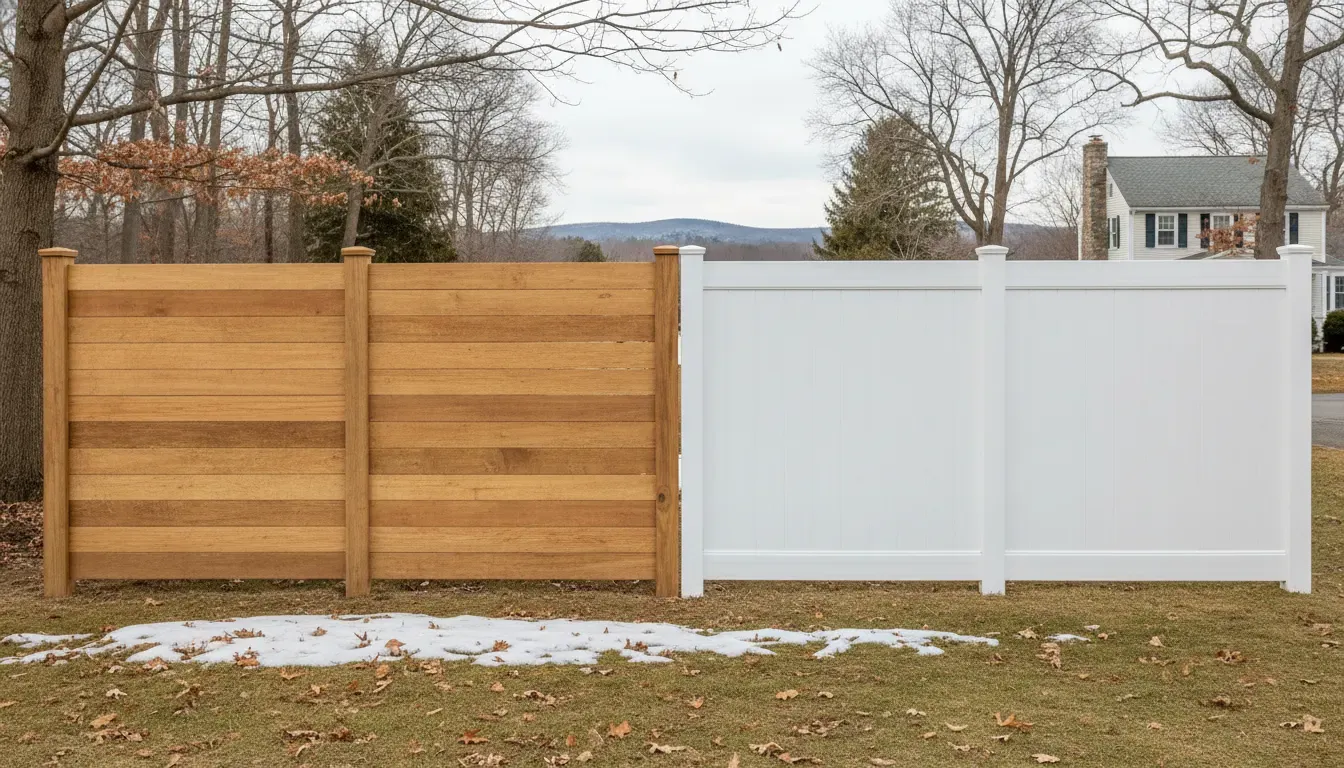
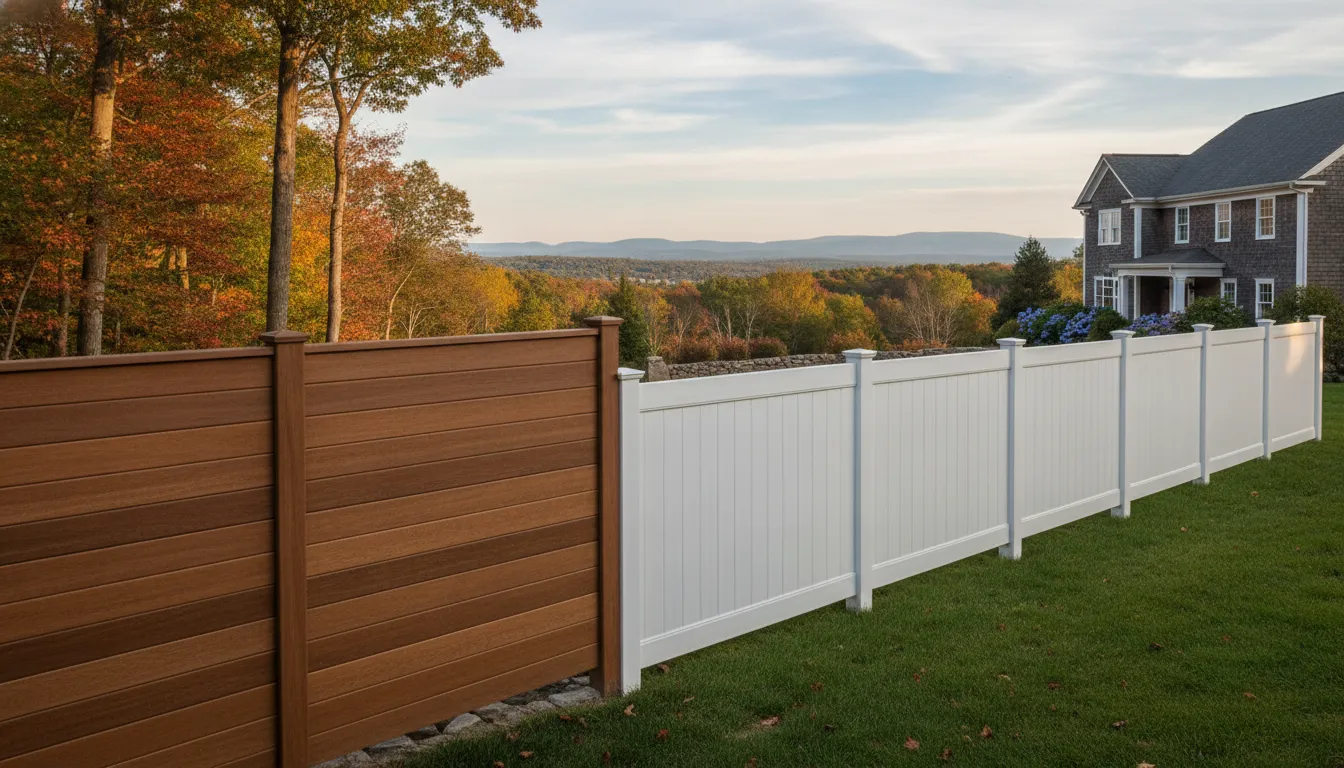
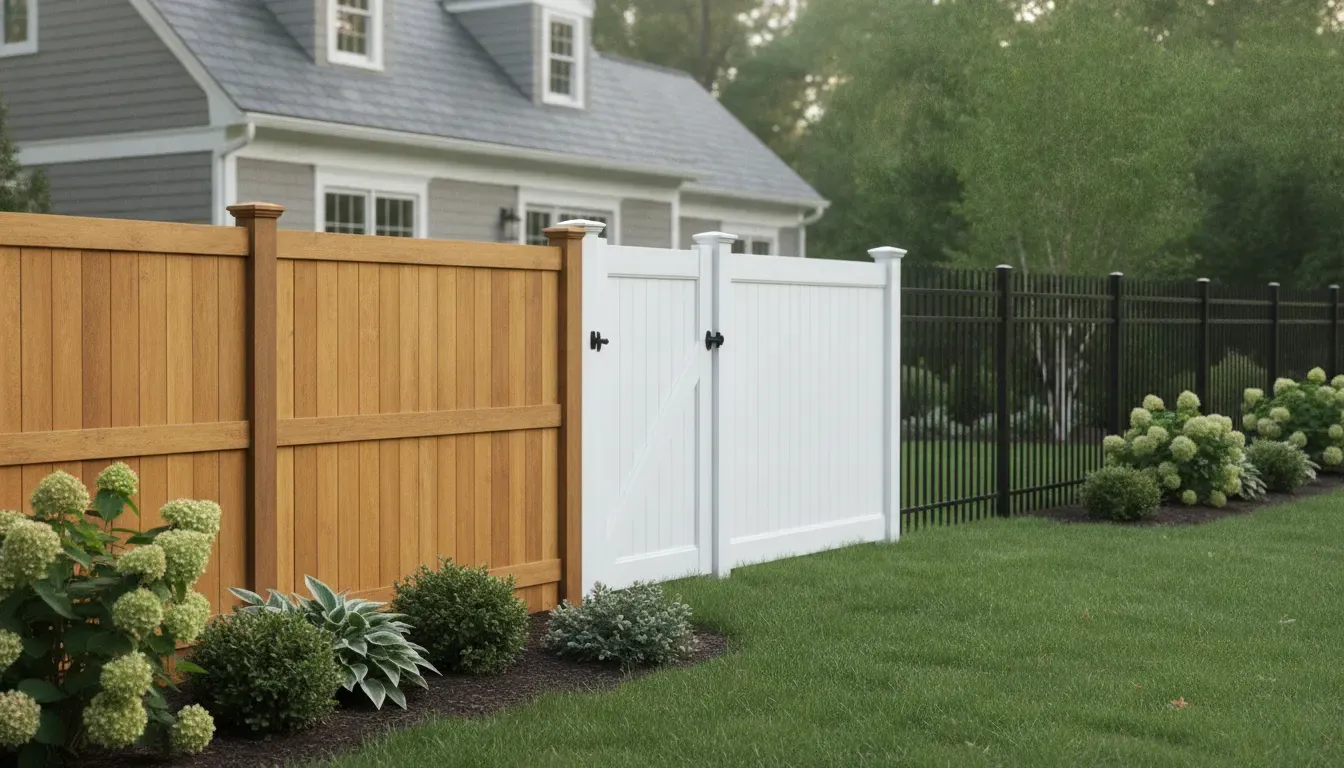
Each material brings a different balance of appearance, privacy, durability, maintenance, and cost considerations. Wood can complement traditional homes and natural landscapes. Vinyl may suit homeowners seeking a low-maintenance privacy solution. Chain link can provide a practical, durable boundary for many residential and commercial uses. Aluminum can offer an open, refined appearance around landscapes, pools, and properties where visibility matters.
The fence style is only one part of the plan. The contractor should also review the line, corner and end posts, gate locations, transitions, changes in grade, and any areas where the fence meets a building or another structure. For larger or commercial projects, the plan may also need to account for multiple users, delivery access, employee or tenant circulation, and coordination with other work on the property.
For an overview of the broader service, see Northstar's fence installation and commercial fencing services in Massachusetts and New Hampshire. The installation process described here is the project-planning and execution view, rather than a general comparison of every service.
Step 3: Review Property Lines, Permits, Utilities, and HOA Rules
Before installation begins, the project should be checked against the conditions that can affect where and how a fence is built. A contractor may need to discuss property boundaries, underground utilities, access rights, drainage, sight lines, easements, and the location of existing structures.
Fence and pool-enclosure requirements can vary among Massachusetts and New Hampshire municipalities. A statewide reference is not a substitute for checking the applicable town or city. Massachusetts publishes its current 780 CMR State Building Code information, and New Hampshire law addresses building permits through RSA 155-A:4. The local building, zoning, or permitting authority should confirm what applies to the specific property and project.
If the property is part of a condominium, planned development, or neighborhood with an association, review its rules before finalizing the layout. Confirm which party is responsible for applications, approvals, boundary information, and utility coordination. A clear conversation at this stage can prevent a design change after materials or labor have been scheduled.
Step 4: Prepare the Site and Confirm the Installation Plan
Site preparation is where the plan meets the actual property. The installation team may need to review the fence line, access route, existing fence or vegetation, gates, slopes, and the locations of obstacles. Rock, ledge, compacted soil, sand, hills, ponds, and limited access can all influence planning and installation methods. Conditions should be assessed on the property rather than assumed from a broad regional label.
Before the crew arrives, the contractor and property owner should also confirm practical details such as:
Where the crew and materials will enter the property
Which areas should remain accessible during the work
Whether pets, children, tenants, customers, or employees need a temporary access plan
Which existing fence sections, landscaping, or site features are included in the scope
How weather, ground conditions, or another trade's schedule could affect the sequence
Who will communicate changes if an unexpected site condition is found
This is also the time to confirm the planned materials, fence line, gate swings, and any open questions. Good communication before installation day makes it easier to address a real site condition without losing sight of the project's purpose.
Want help understanding how your property may affect the plan? Speak with Northstar at (603) 453-3698 about a free, no-obligation consultation. Northstar's consultation-led approach is designed to help you make an informed choice before the work begins.
Step 5: What Happens on Fence Installation Day?
Installation day can look different from one property to another, but the work generally follows the approved layout and moves from the structure of the fence toward its finished details.
Layout and post locations
The team confirms the planned line, corners, ends, transitions, and gate openings. Post locations are established in relation to the approved layout and actual site conditions. If the field conditions do not match the assumptions in the original plan, the contractor should discuss the issue and the available options before proceeding with a material change.
Post setting and alignment
Posts create the framework for the fence. The appropriate installation method depends on the material, soil, grade, local conditions, and project requirements. The crew works to keep the posts aligned and the fence line consistent, while accounting for changes in elevation and the way the fence meets gates, buildings, landscaping, or other structures.
Rails, panels, pickets, and gates
After the posts and framework are established, the fence sections or individual components are installed. Gates receive particular attention because their weight, hinges, latches, clearances, and surrounding posts all affect how they operate. A gate that looks correct but does not have the right support or clearance can become a recurring problem.
Northstar installs, customizes, and repairs gates as part of its fencing work. On New England properties, ground conditions, drainage, frost movement, and other site factors can matter to long-term gate performance. A professional contractor should assess those factors rather than treat every gate opening as identical.
Step 6: Complete the Walkthrough and Project Closeout
Closeout is the final quality and communication step. The contractor and property owner should review the finished fence, gates, connections, transitions, and the areas affected by the work. The walkthrough is an opportunity to confirm that the installed result matches the planned use of the property.
Depending on the project, closeout may include:
Checking that gates open, close, latch, and clear the surrounding grade as intended
Reviewing fence alignment, transitions, and the appearance of finished sections
Confirming cleanup and the condition of the work area
Discussing basic care appropriate for the selected material
Answering questions about what was installed and what to watch for over time
Recording any agreed follow-up items clearly
A professional closeout gives the property owner a clear understanding of the completed scope instead of leaving questions to be resolved later.
How Long Does Fence Installation Take?
There is no single installation timeline that applies to every fence project. The schedule can depend on the total fence length, material, number and complexity of gates, terrain, soil and rock conditions, access, permitting or association review, weather, and coordination with other work.
Ask the contractor what the proposed schedule includes and which conditions could change it. A useful conversation covers the planning stage, material availability, site preparation, installation, inspections when applicable, cleanup, and closeout. Be cautious of a guaranteed timeline offered without a site review, especially on a property with steep grades, ledge, drainage concerns, or restricted access.
For projects exposed to stronger weather, site planning deserves particular attention. Northstar's guide to fence options for high-wind areas in Massachusetts and New Hampshire explains why material, layout, and installation details should be considered together.
Questions to Ask a Fence Contractor Before Signing
Before moving forward, ask questions that clarify both the finished result and the path to get there:
What purpose and property conditions is this fence plan designed around?
Which materials were considered, and why does the recommended option fit the property?
What is included in the scope, including gates, removal, site preparation, cleanup, and follow-up?
Which permits, approvals, property-line information, and utility steps apply, and who is responsible for each?
How will changes in soil, rock, grade, access, or drainage be handled?
What should remain accessible during installation, and how will schedule changes be communicated?
How will the contractor confirm gate operation and the completed fence during closeout?
These questions help you compare the quality of the planning process, not just the appearance of a fence sample.
Common Questions About the Fence Installation Process
Q: What is the first step in a professional fence installation?
A: The first step is a consultation that clarifies the fence's purpose, the property and site conditions, access needs, material preferences, gate locations, and applicable local requirements. That information supports a workable plan before installation is scheduled.
Q: Does a fence contractor handle permits?
A: Permit responsibilities vary by project and municipality. Ask the contractor and the local permitting authority which approvals apply and who is responsible for each step. Do not assume that one Massachusetts or New Hampshire rule applies to every town.
Q: What can delay a fence installation?
A: Common factors include permitting or association review, material availability, weather, difficult access, rock or ledge, steep grades, drainage, underground utilities, and changes requested after the layout is approved. A site-specific review gives a more useful schedule than a generic estimate.
Q: Can a professional help choose the right fence material?
A: Yes. A qualified fence contractor can compare wood, vinyl, chain link, and aluminum in the context of the property's purpose, appearance, privacy needs, maintenance expectations, gates, site conditions, and budget. Northstar Fence & Rail provides consultation-led guidance for residential and commercial projects.
Ready to discuss your fence installation process? Northstar Fence & Rail helps homeowners, businesses, contractors, and property managers plan custom fencing throughout Massachusetts and Southern New Hampshire. Call (603) 453-3698 to request a free, no-obligation consultation and begin with a clear plan.
For pool projects, review Northstar's guide to pool fence safety and enclosure requirements in Massachusetts and New Hampshire. Local requirements should still be confirmed with the applicable municipality or authority.
Comments