Fencing Around Pool Equipment: A Fence for Pool Equipment, Safety, Access, and Appearance
A fence for pool equipment can make a pool area look more finished and help keep the pump, filter, and related components out of sight. The right enclosure must do more than screen equipment: it should preserve access for maintenance, avoid interfering with airflow and drainage, and remain separate from any barrier required to protect the pool itself.
What is a pool equipment fence meant to do?
An equipment enclosure is a screen or small fenced area around mechanical equipment. It can reduce the visual impact of pumps, filters, heaters, and plumbing from a patio, yard, or neighboring property. Depending on the layout, it may also help guide foot traffic away from equipment and keep routine yard activity from crowding the service area.
It is not automatically a pool safety barrier. A fence around equipment may leave the pool accessible, and a pool perimeter barrier may not enclose the equipment at all. Treat those as separate planning questions. The Consumer Product Safety Commission's residential pool safety barrier guidance discusses barriers designed to limit access to the water. An equipment screen should never be assumed to satisfy that purpose or local pool-barrier rules.
Before planning a project, identify your main goal. If the concern is appearance, a thoughtfully placed screen may be enough. If you also need to control access, protect a service area, or coordinate with a required pool enclosure, those needs affect the design and gate arrangement. Confirm applicable state and town requirements with the relevant local authority rather than assuming one design works everywhere.
Where should the enclosure sit?
Start with the equipment's relationship to the pool, house, patio, property line, and regular walking routes. A screen that hides the equipment from the main seating area may be less useful if it blocks the only route a technician uses to reach it. Likewise, an enclosure placed close to a boundary, retaining wall, or planting bed can make access or future service more difficult.
- View from the house and patio:
Note which angles make the equipment most visible. Screening the most prominent view can improve the setting without enclosing more of the yard than necessary.
- Service approach:
Consider how a service professional reaches the pump, filter, valves, heater, and controls. The layout should leave workable access to the components that need inspection or repair.
- Movement around the pool:
Preserve comfortable routes between the house, pool, seating, and yard. A new fence should not create a pinch point or send people through a service area.
- Nearby property features:
Slopes, stone, mature trees, planting beds, walls, and paving can affect placement and installation. The actual site—not a generic diagram—should guide the plan.
- Existing gates and barriers:
Map how the equipment enclosure relates to any pool-safety fence, house doors, and other access points. Avoid creating an arrangement that undermines a required barrier or makes normal access confusing.
Think about the view from outside the pool area, too. An enclosure may be visible from an adjoining yard or a street-facing part of the property. A design that feels balanced from more than one angle tends to look intentional rather than like a box placed around a problem.
Which enclosure layout fits the equipment and the yard?
There is no single layout that suits every pool. The equipment footprint, nearby routes, viewing angles, and service routine all shape what makes sense. Thinking in terms of the enclosure's job can help narrow the choices before discussing a specific design.
- A view-facing screen:
A screen along the side most visible from a patio or window may hide the equipment without enclosing the entire service area. This can preserve a more open feel, but it may not control access from other directions.
- A compact, gated enclosure:
A defined area can separate equipment from ordinary poolside movement and provide a clear access point. Its gate and usable interior space need to work with the components a service professional reaches.
- An enclosure coordinated with existing fencing:
When a pool already has a perimeter fence, a separate equipment screen can be planned as a related but distinct feature. The two should not create confusing routes or interfere with the intended operation of a pool barrier.
These are planning approaches, not code classifications. A partial screen may be enough to address a sightline, while a gated arrangement may be more appropriate when the owner wants a clearly separated service area. Neither choice should be made without checking what access is needed and whether the project affects a required pool barrier.
It is also useful to think about who uses the yard and how. A narrow passage that works when the pool is quiet may feel inconvenient when people are moving between the house, seating, and water. A location that looks neat in a drawing may be awkward if it places the gate behind furniture or planting. A contractor can review the actual routes and discuss the trade-offs before a layout is settled.
How can you screen equipment without restricting it?
Pumps and other pool components need to remain reachable, and the equipment manufacturer's directions may specify clearances or other operating conditions. A close-fitting, solid enclosure can interfere with service or with the way equipment is intended to operate. Do not choose a design based only on how completely it hides the machinery.
As you consider a layout, check the equipment documentation or ask the pool service professional about access, ventilation, operating clearances, and service needs. Those details can vary by equipment and installation. The fence plan should accommodate the actual setup, not rely on a universal clearance number.
A screen can be effective without surrounding every side. Depending on the location and sightlines, a partial screen or a more open enclosure may conceal the equipment from the primary viewing area while keeping service access practical. A gate should be placed where it can be reached easily and opened without colliding with equipment, landscaping, or a walking route.
Also consider sound and heat as part of the conversation. A fence may change how sound is perceived around a patio, but it should not be assumed to eliminate equipment noise. Similarly, an enclosure must be compatible with the equipment's operating requirements. Discuss any concern about noise, heat, or airflow with the pool professional familiar with the system before settling on a design.
Plan for ordinary service, not only the first day after installation. A technician may need to reach more than the most visible face of a pump or filter, and controls or valves may be positioned at different sides. Ask the pool service professional what access is typically needed and whether any component may need removal or replacement in the future. The enclosure should make those tasks possible without requiring the fence to be dismantled or the surrounding yard to be rearranged.
Drainage and ground conditions also deserve attention. Water should not be directed toward equipment or trapped where it can affect the enclosure or nearby walking surface. A sloped yard, uneven stone, ledge, tree roots, or existing paving can influence where a fence can reasonably sit and how it relates to the equipment pad. These conditions vary from one property to another, so a site-specific review is more useful than assuming a standard enclosure footprint will fit.
New England properties can differ sharply even within the same town. A pool on a relatively level lawn presents a different planning picture from one beside a wooded slope, a stone edge, a narrow side yard, or a coastal property exposed to open views. Do not assume every town or lot has the same ground conditions. Note what is actually near the equipment, including planting beds, walls, paved areas, and changes in grade, so placement can be considered in context.
Think about yard care around the enclosure as well. Plantings that soften the view should not obstruct access to controls or equipment, and the location should remain practical when the pool area is in regular use. Leaves, garden maintenance, and seasonal changes can alter how easy it is to reach a gate or service area. A design that accounts for those ordinary conditions is more likely to remain useful than one planned only around a clean, empty site.
Access needs can change over time as equipment is serviced or replaced. Leaving a workable route and considering the larger components—not just routine hand access—can help avoid a design that becomes inconvenient later. The pool professional can explain the system's service needs, while a fencing contractor can consider how an enclosure might accommodate them alongside the property's layout.
What should the fence look like?
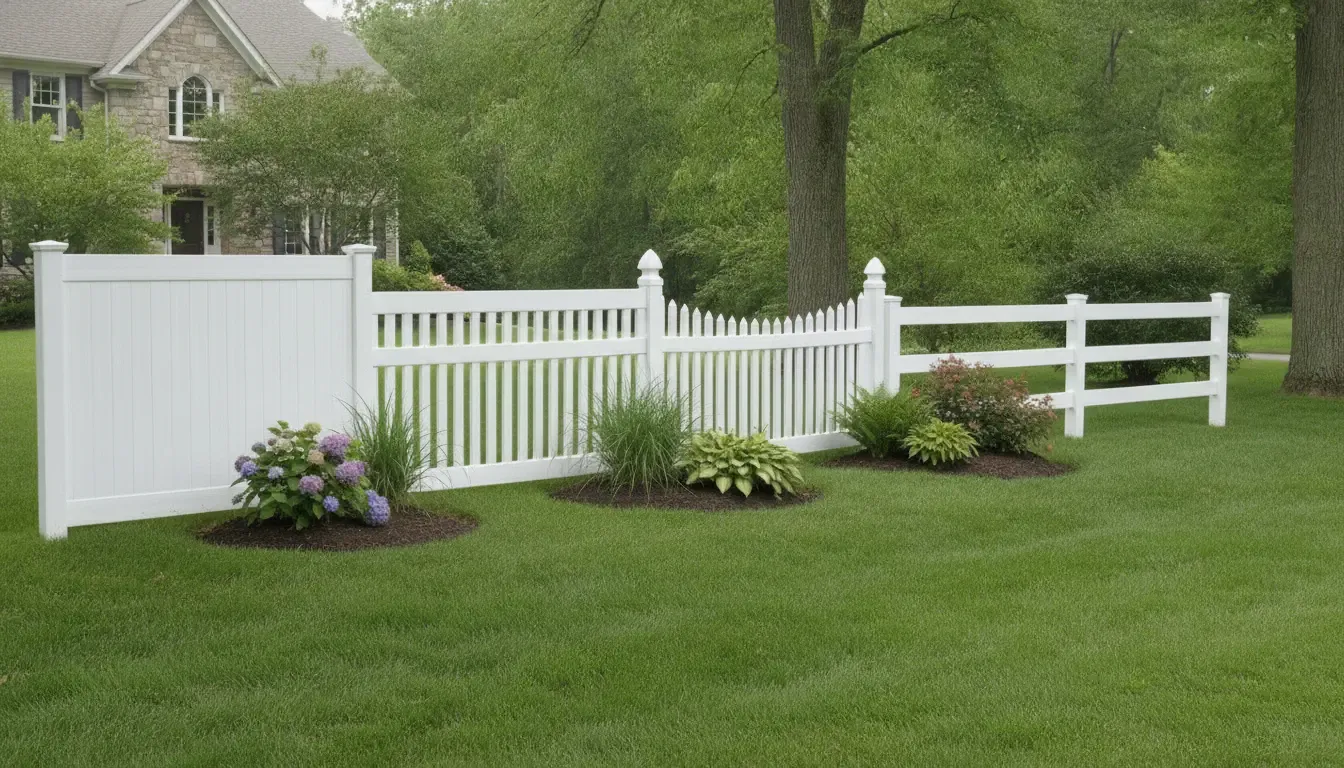
The enclosure usually looks best when it belongs with the home and the broader pool area. Consider the existing pool fence, house trim, deck or patio, landscape materials, and the overall level of openness. A matching or complementary finish can make the equipment enclosure feel like part of the plan instead of a separate utility project.
Scale matters. A tall, broad screen may hide more equipment, but it can also dominate a small yard or interrupt a view. A compact layout may be more visually restrained, provided it still respects equipment access and operation. The best balance depends on the equipment footprint, its visibility, and what the homeowner wants the enclosure to accomplish.
For an open property or a pool area where sightlines are important, a visually lighter design may fit better than a fully opaque screen. Where privacy is the main concern, a more solid appearance may be considered, subject to equipment requirements and local rules. The design should respond to the specific property rather than assume that one style suits every pool.
It can help to look at the proposed location from the same places where you spend time: the kitchen, patio, pool seating, and the approach from the yard. This simple planning exercise often reveals whether the enclosure needs to block a particular view, preserve an open feeling, or align with another fence. Northstar's guide to residential fencing options offers additional context on choosing fencing in relation to a home's needs and setting.
How does an equipment fence relate to a pool safety fence?
Pool safety fencing and equipment screening serve different purposes. A required pool barrier is planned to limit access to the water and must be evaluated against the rules that apply to that property. A separate equipment enclosure is generally focused on screening, access management, or protecting the service area. One should not be substituted for the other without confirmation from the local authority.
Massachusetts and New Hampshire requirements are not interchangeable, and local rules can add details. Existing fences, gates, doors, and the pool's placement can also affect what is required. If the project includes a pool barrier or changes an existing one, verify current requirements with your town and review Northstar's Massachusetts pool fence requirements guide as a starting point for the questions to ask. It is informational, not a substitute for confirming current local requirements.
Keep the distinction clear when discussing the project: describe which fence is intended to protect access to the pool and which is intended to screen equipment. That clarity helps a homeowner, pool professional, and fencing contractor coordinate their roles without treating an attractive equipment screen as proof of safety compliance.
What should you coordinate before installation?
Pool projects often involve more than one trade. The pool company or service professional understands the equipment and its operating needs; a fencing contractor can assess the enclosure's layout, access, and fit with the property. When a pool barrier is part of the work, the town or other applicable authority should be consulted about current requirements.
Before choosing a design, gather the information needed for a useful consultation:
Which equipment needs to be screened, and which components need regular access?
Where is the equipment most visible from the house, patio, or neighboring areas?
Are there manufacturer directions or service-provider recommendations for access and operation?
Does an existing pool barrier or gate affect where a separate enclosure can go?
Are slopes, ledge, drainage, paving, trees, or narrow access routes likely to affect the site plan?
Do town rules, property restrictions, or an association review apply to this location?
These are planning questions, not a do-it-yourself installation checklist. A site review can bring the visibility, access, ground conditions, and relationship to existing fencing into one plan. Northstar Fence & Rail offers free, no-obligation consultations and can help homeowners consider a fence layout in light of their property and project needs.
Frequently asked questions about fences for pool equipment
Does a pool equipment fence count as a pool safety barrier?
Not necessarily. Its purpose and position may be different from a barrier intended to limit access to the water. Confirm applicable pool-barrier requirements with your town or other relevant authority; do not assume an equipment enclosure meets them.
Should pool equipment be enclosed on every side?
Not in every situation. A partial screen may address the main sightline while leaving useful access, but the right arrangement depends on equipment instructions, service needs, site conditions, and the homeowner's goals. Ask the pool professional about the particular system before finalizing the layout.
Can an equipment enclosure include a gate?
It can be planned with an access point when the site and project call for one. The gate's location should make service access practical and avoid conflicts with nearby equipment, landscaping, paths, or any separate pool barrier. Requirements for a pool-safety gate should be checked independently.
Do I need a permit for a fence around pool equipment?
Permit and pool-barrier requirements depend on location and project details. Contact the applicable town office before work begins, especially if the project changes an existing pool barrier or gate. A contractor can help identify questions to raise, but the municipality is the source for current local requirements.
A well-planned equipment fence balances appearance with access and the needs of the pool system, while keeping any required pool-safety barrier as a separate consideration. A consultation can help determine how those goals fit the specific property.
Comments