Luxury Estate Fencing: A Planning Guide
.
On a high-value property, a fence does more than mark the lot line. It must support privacy, security, arrival, views, and curb appeal while fitting the home's architecture and the realities of a Massachusetts or southern New Hampshire site. Thoughtful luxury estate fencing brings those decisions together instead of treating each boundary, gate, or enclosure as an isolated element.
Ready to plan your project? Call (603) 453-3698 for a free, no-obligation consultation.
Luxury estate fencing is a coordinated property system that balances privacy, security, visual character, access, materials, gates, and site conditions. The right approach depends on how the estate is used, what it should conceal or preserve, and how local review applies to the specific property.
That coordination starts with understanding why an estate fence requires a more deliberate planning conversation than a simple boundary enclosure.
What Makes Luxury Estate Fencing Different?
Luxury estate fencing is not simply a boundary placed around a large property. It is part of the property's overall plan, shaping how people arrive, move between outdoor spaces, experience the landscape, and view the home from the road. The right design must bring together privacy, security, appearance, access, and the practical demands of the site.
A coordinated extension of the property
For an estate, fencing may define a formal entrance, screen a pool or garden, protect children and pets. Separate service areas, or create a quieter outdoor setting without making the grounds feel closed in. A municipal definition from Amesbury, Massachusetts, reflects this broader purpose: fence-like structures can establish boundaries, divide land, provide security, and shield occupants from noise or view. Read the Amesbury fence ordinance for that local context.
Scale matters as much as material. A fence that works beside a compact suburban home may look undersized, visually heavy, or disconnected when used along a long driveway or around a multi-building property. Estate planning often requires a consistent design language across perimeter sections, pedestrian gates, driveway gates, pool enclosures, and less visible service access. It also requires decisions about where openness is valuable and where screening is more important.
Massachusetts and southern New Hampshire properties can add another layer of complexity. Stone and ledge, wooded edges, slopes, ponds, coastal exposure, and limited equipment access may affect the layout and the way different areas connect. Those conditions should be considered alongside the home's architecture and the property's everyday use, rather than after a fence style has already been chosen.
Northstar Fence & Rail approaches these projects as custom property planning, with clear communication from the first consultation through the final details. The goal is a fence system that feels intentional from every side: secure where it needs to be. Private where it should be, and visually at home in its New England setting.
How Should Privacy and Security Work Together?
On an estate property, privacy and security do not have to mean surrounding the home with a tall, solid wall. A better plan begins with sight lines: where neighbors, passersby, guests, and service providers can see in, and where occupants need a greater sense of separation. Screening can define a private garden, pool area, terrace, or arrival court without closing off every view across the property.
Privacy fencing can create a quiet sense of sanctuary, while also marking boundaries and managing movement. However, screening works by obscuring sight lines, so the right placement often matters more than maximum height. A fence that follows the specific exposure points may protect outdoor living areas while preserving desirable views toward woods, water, gardens, or the home itself. Architectural Digest's collection of privacy-fence guidance also emphasizes balancing visual privacy with the character of the surrounding landscape: design guidance for privacy fencing.
Height deserves the same restraint. Excessive height can make an otherwise open estate feel compressed and enclosed. Where additional screening is needed, a lighter upper treatment such as lattice may provide privacy with less visual weight than extending a solid panel higher. The choice should reflect the property's architecture, grading, landscaping, and the direction of important views.
Security planning also includes visibility at points of entry. A solid screen may suit a secluded side yard, while a more open approach near a driveway or pedestrian gate can help preserve awareness of arrivals. Layered boundaries, selective screening, and thoughtful entry visibility often create a more comfortable result than one uniform fence around the entire parcel.
Which Materials Fit a Luxury Estate?
Material selection should follow the role each part of the property needs to play. An estate may call for privacy along a rear boundary, a more open treatment near a driveway. And a clearly defined enclosure around a pool, garden, or service area. Wood, vinyl, aluminum, and chain-link can each fit a thoughtful plan, but they create different visual and practical conversations.
Material | Visual character | Privacy or visibility | Planning questions |
Wood fencing | Warm, tailored, and adaptable to traditional or contemporary architecture. Wood can be customized, stained, or painted. | Well suited to privacy sections when a solid or closely spaced design is appropriate. | Which profile, finish, and level of privacy will complement the home, landscape, and desired upkeep? |
Vinyl fencing | Clean and consistent, with a neat appearance that can support a polished residential setting. | Can support defined privacy areas or more open layouts, depending on the selected style. | Where should consistent screening be used, and where would a lighter visual boundary preserve views? |
Aluminum fencing | Open and refined, often useful where the property benefits from visible lines and a formal boundary. | Favors visibility rather than full screening, which can help maintain views and entry awareness. | Which areas need openness, and how should posts, rails, and gates relate to the architecture? |
Chain-link fencing | Functional and visually lighter than solid fencing, especially when the boundary is not a primary design feature. | Provides clear visibility and can suit service, utility, pet, or secondary areas where screening is not the main goal. | Can its location remain visually secondary, and would selective screening help it fit the surrounding landscape? |
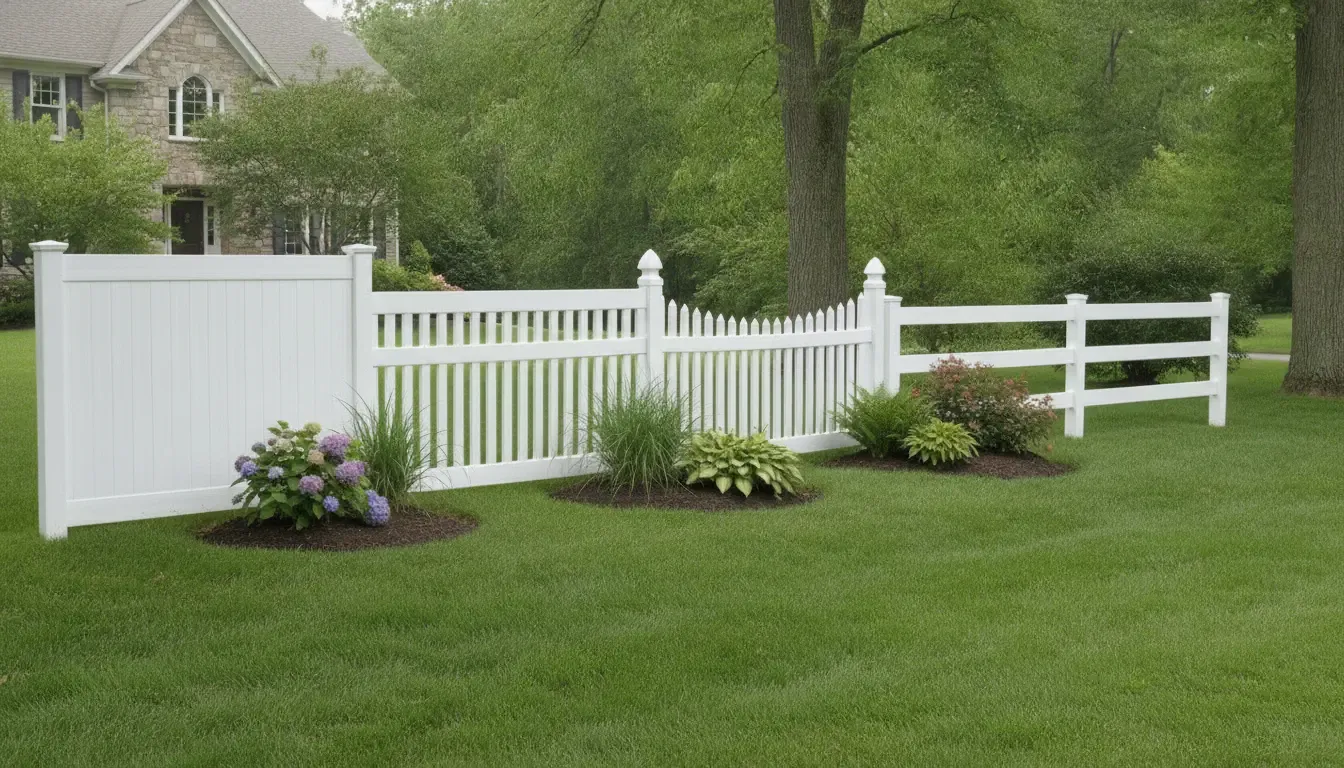
These materials can also be coordinated across one property rather than treated as an all-or-nothing choice. For example, a more private wood or vinyl section may define a terrace, while aluminum keeps a scenic edge open. Chain-link may serve a practical rear or service area without setting the tone for the arrival sequence. Gates can be integrated across the selected materials, with their proportions and details considered alongside the fence.
For a broader look at material decisions in the region, review Northstar's residential fencing options in MA and NH. For luxury estate fencing, the most useful next question is not simply which material looks best in isolation. It is how each choice supports privacy, visibility, property use, architecture, and the way people move through the grounds.
How Can the Fence Complement the Architecture?
The most successful luxury estate fencing feels connected to the property rather than added after the architecture is complete. Start by studying the exterior cues already doing visual work: porch railings, shutters, decking, trim profiles, masonry, rooflines, and window proportions. These details can guide post dimensions, cap shapes, rail placement, gate proportions, and the level of ornament used throughout the fence.
That does not mean copying every architectural feature. A traditionally styled New England home may call for a quieter, historically informed fence vocabulary. While a contemporary property may be better served by clean lines, restrained posts, and carefully spaced rails. The goal is a consistent rhythm from the driveway entrance to the garden, pool area, and less visible boundary lines.
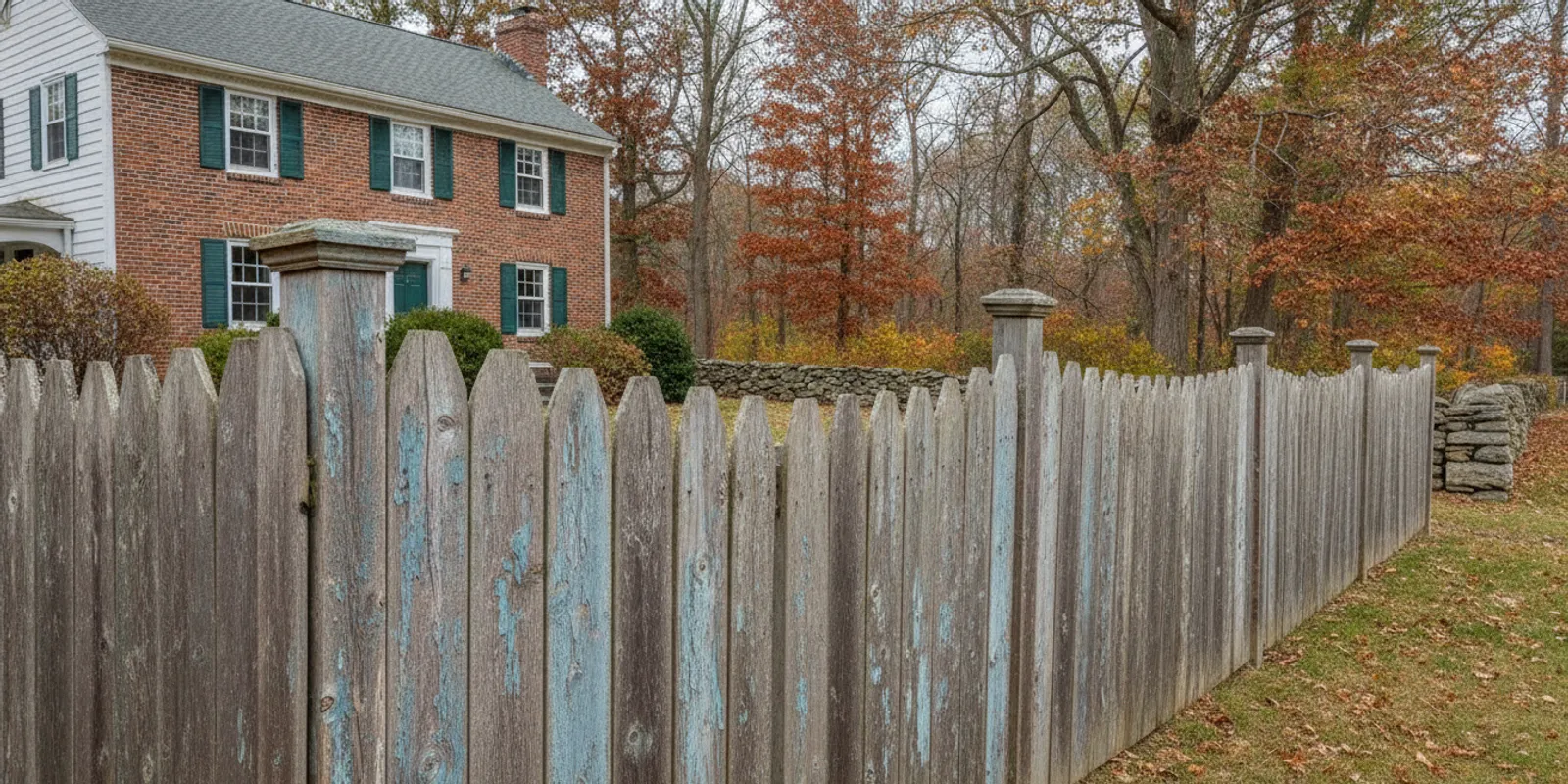
Material and finish also influence how the fence belongs in the setting. Wood offers design flexibility and can bring warmth to a large property. Cedar, for example, can be customized and stained or painted to suit a wide range of architectural styles. Natural wood may also be refreshed over time, allowing the appearance to evolve with the home. These design considerations are discussed by landscape and architectural design professionals, though the right choice for a Massachusetts or southern New Hampshire property depends on the site and maintenance expectations.
Use the fence to frame views instead of automatically blocking them. A solid section may create privacy beside a pool terrace or outdoor room, while a more open treatment can preserve a wooded outlook, pond, or carefully designed landscape. Gates should follow the same visual language as the fence, with posts and hardware scaled to the entry and coordinated with paths, planting, lighting, and driveway materials.
Before you plan a fence around your property, consider where privacy is truly needed and where openness contributes to the estate's character. Northstar Fence & Rail can help coordinate the fence, gates, finishes, and property conditions into one coherent plan.
What Should Estate Owners Plan for Gates and Site Conditions?
Gates shape how an estate is experienced from the road to the front door. A driveway gate can define arrival and manage vehicle access, while pedestrian gates can guide guests toward an entry, garden, pool area, or outdoor living space. Service gates deserve equal attention because deliveries, maintenance crews, landscape equipment, and emergency access may follow a different route from everyday visitors.
Northstar helps property owners choose the best course based on the property's needs, desired arrival sequence, privacy goals, and patterns of use. That may mean coordinating several gates rather than treating one gate as an isolated feature. The details should support the architecture and landscape without making access feel difficult or disconnected.
Account for the New England site
Estate properties rarely offer uniform conditions. Rock or ledge can affect where a fence or gate can be located. Slopes may influence sight lines, transitions, and how a gate meets the surrounding grade. Wooded areas can limit equipment access or require more careful coordination around existing trees. Ponds and low areas may raise drainage questions, while coastal exposure can add wind and weather considerations to the planning conversation.
Northstar assesses soil and ground conditions, drainage, access, terrain, and related site factors so the gate and fence can be planned with dependable operation in mind. Poor drainage, unsuitable ground conditions, or inadequate coordination can contribute to shifting, binding, or other operating problems over time. A site-aware review helps identify those concerns before the design is finalized.
For a luxury estate fencing project, coordination matters as much as appearance. Sharing the plan with the builder, landscape designer, property manager, or other project partners can help align gate locations, utilities, paving, lighting, planting, and service routes. Northstar installs, customizes, and repairs gates, and can help owners evaluate the right approach for a property where access, character, and long-term care all need to work together.
What Local Rules Should Massachusetts and New Hampshire Owners Check?
Before finalizing a luxury estate fencing plan, confirm which local rules apply to the property. Fence review is generally handled at the municipal level, and the relevant requirements can change by town, zoning district, yard location, property use, or project context. A fence around a pool may follow a different review path from a boundary or privacy fence. The right starting point is the applicable town planning, zoning, or building authority, not a statewide assumption.
Windham, New Hampshire, illustrates why site-specific information matters. Its official fence permit application asks for a plot plan showing lot lines, existing buildings, streets, water bodies when applicable, the proposed fence location, distances from relevant features, and the proposed height. The same document describes different general height limits for front yards and side or rear yards in listed residential and other districts. Those details are examples of Windham's process, not rules that automatically apply throughout New Hampshire.
Windham also states that its standard fence application should not be used for a pool fence because pool fencing is included in the pool building permit application. That distinction is a useful reminder to identify the purpose of the fence early. Particularly when an estate project includes a pool enclosure, gates, landscaping, or multiple areas of the property.
Other municipalities may publish guidance rather than use the same application format. For example, Portsmouth provides its own official fence guidelines. Owners should review the current guidance for their address and ask whether additional planning, historic-district, wetlands, or neighborhood review may apply. If a homeowners association is involved, also account for Massachusetts fence review requirements alongside municipal requirements.
A knowledgeable fencing contractor can help organize the design around the property's intended use and identify questions for the appropriate authority. Northstar Fence & Rail brings that local, consultative perspective to material, layout, gate, and pool-fence planning while leaving formal approval decisions with the responsible municipality or association.
How Do You Plan a Luxury Estate Fence With a Contractor?
The strongest luxury estate fencing plans begin with a conversation about how the property is used. A contractor should ask whether the priority is privacy, security, a defined arrival experience. Protection around a pool, pet and child safety, or a more finished relationship between the home and its grounds. These goals often overlap, but they do not always call for the same layout or degree of screening.
A property walk-through can then connect those goals to the site. Discuss prominent views, driveways, pedestrian routes, service access, existing landscaping, neighboring properties, and areas where rock, ledge, slopes, wooded conditions, ponds, or drainage may influence planning. The review should also consider how fence lines, posts, gates, and finishes relate to the home's exterior rather than treating the boundary as an isolated feature. For broader property-planning context, see this guide to planning a fence around your property.
Material and gate decisions belong in the same conversation. Wood, vinyl, aluminum, and chain-link can serve different visual and functional roles, while pedestrian, driveway, and service gates require their own access and operation considerations. Local review should be discussed early as well, since requirements can vary by municipality, property conditions, and intended use. The applicable town or authority remains the right source for current requirements.
Clear communication matters throughout the process: record the agreed goals, identify open site questions, and confirm what will be reviewed before work proceeds. Northstar Fence & Rail offers a free, no-obligation consultation for property owners in Massachusetts and New Hampshire. With more than 50 years of combined founder experience, Northstar brings a consultative approach grounded in clear communication, quality workmanship, and its promise of Exceptional Service. Expert Craftsmanship.
Planning a property-specific fence? Call (603) 453-3698 to discuss privacy, security, gates, materials, and site conditions with Northstar Fence & Rail.
Frequently Asked Questions
What are some creative privacy fence ideas for a luxury estate?
Consider screening only the areas that need seclusion, such as a terrace, pool setting, dining garden, or arrival court, rather than enclosing every view. Layered planting, changes in fence placement, open sections near scenic outlooks, and a lattice accent can provide privacy without making the landscape feel closed in. One design source notes that a 12- to 18-inch lattice addition can increase screening with less visual weight than a taller solid fence: Architectural Digest.
What are the different types of fencing for a luxury estate?
Common choices include custom wood for warmth and architectural character, aluminum for a refined open boundary. Vinyl for a clean low-maintenance appearance, and chain-link where practical perimeter security is the priority. A luxury property may use more than one type: for example, a welcoming open boundary at the frontage. Privacy fencing around outdoor living areas, and coordinated gates for service or pedestrian access. The best combination depends on the property design, goals, and site conditions.
Can my neighbor put up a 7-foot fence?
Do not assume that a 7-foot fence is allowed simply because it is on a property line. Height rules can vary by municipality, zoning district, yard location, and project type. For example, Windham, New Hampshire, describes different limits for front, side, and rear yards and requests the proposed height and fence location on its application: Windham's official fence permit application. Confirm the current requirements with the applicable town or authority before finalizing the design.
Is post-and-rail fencing suitable for a luxury estate?
Yes, when the goal is to define a large property gracefully while preserving open views. Post-and-rail can suit an equestrian, rural, or landscape-led setting, but it provides limited privacy unless paired with planting, screening, or a more private enclosure in selected areas. A thoughtful estate plan may combine post-and-rail along visible boundaries with gates and denser fencing where security, pets, or outdoor living require more control.
Schedule Your Luxury Estate Fencing Consultation
Thoughtful planning can help align privacy, security, architectural character, gates, and the realities of your Massachusetts or southern New Hampshire property. Northstar Fence & Rail can discuss your goals, materials, access needs, and site conditions through a free, no-obligation consultation. To get started, call (603) 453-3698 and talk with the team about your luxury estate fencing project.
Comments