Tennis Court Fencing: What Property Owners Should Consider
A tennis court fence has a job beyond marking a property line. It should help keep balls in play, protect players and nearby areas, preserve useful visibility, provide dependable access, and fit the way the court sits on the property. For owners in Massachusetts and Southern New Hampshire, the best plan also accounts for terrain, drainage, weather, and local requirements.
Call Northstar Fence & Rail at (603) 453-3698 to discuss your tennis court fencing plan and request a free, no-obligation consultation.
By Jack Aiello
The right enclosure is not selected from a single height chart or material list. It is planned around the court layout, the type of play, adjacent uses, maintenance access, and the property's conditions. A thoughtful design can make a private court easier to use while keeping the surrounding landscape and architecture in balance.
Why does tennis court fencing require a property-specific plan?
Short answer: Tennis court fencing must solve several problems at once. It contains balls, helps separate play from landscaping or other activity, supports safe movement, and controls access. The right balance changes when a court is beside a home, pool, road, slope, wooded edge, spectator area, or other structure.
A court enclosure is part of the court environment, not an afterthought. A fence that works well for a simple backyard boundary may not provide the visibility, gate access, or ball containment a tennis court needs. The enclosure may also need to coordinate with court lighting, landscaping, seating, equipment storage, and service access.
The court's purpose matters, too. A family court may prioritize an attractive appearance and easy access from the home. A private club, school, or multifamily property may need a more durable access plan, clearer separation between players and visitors, and a layout that supports regular maintenance. A builder or property manager may also need the fence plan to coordinate with other trades and the broader site schedule.
What should a tennis court enclosure accomplish?
Short answer: A well-planned enclosure should contain tennis balls, keep players away from hazardous edges, maintain appropriate sightlines, manage access, and withstand the property's weather and use. It should also leave enough room for gates, maintenance equipment, lighting, and future service without creating awkward conflicts.
- Ball containment:
The fence should reduce the chance that balls travel into gardens, driveways, roads, neighboring yards, or other active areas.
- Player safety:
The layout should help separate players from fixed obstacles, hardscape edges, slippery surfaces, and unrelated activity near the court.
- Visibility:
Players, parents, spectators, and property staff may need to see into and through the enclosure. A visually open design can feel less imposing than a solid barrier.
- Controlled access:
Gates should support player entry, equipment movement, and maintenance while discouraging unintended access when the court is not in use.
- Property fit:
Posts, fabric, colors, gates, and landscaping should complement the home, estate, school, or commercial property rather than look like a disconnected utility installation.
- Serviceability:
The plan should allow for inspection, vegetation management, hardware service, and future work around the court.
These priorities can pull in different directions. More screening may reduce outside distraction but also reduce openness. A larger gate may improve equipment access but require more room to operate. A taller enclosure may improve containment in one location while raising permitting, wind, or visual concerns in another.
How do you choose a tennis court fencing material?
Short answer: Material selection depends on the court's use, desired visibility, appearance, maintenance expectations, and site conditions. Chain link is often considered for its open view and practical ball containment, while aluminum, vinyl, and wood may be evaluated when the property design, privacy goals, or architectural character call for a different approach.
Northstar Fence & Rail works with wood, vinyl, chain-link, and aluminum fencing for residential and commercial properties. For a tennis court, the question is not simply which material looks best in a sample. The material must work with the enclosure's height, gates, posts, hardware, drainage, landscaping, and long-term service needs.
Material | May fit when | Potential advantages | Questions to resolve |
Chain link | Open visibility and practical court containment are priorities. | Visually open, functional, and adaptable to many court layouts. | What coating, framework, gate hardware, and screening level fit the property? |
Aluminum | The owner wants a more architectural metal appearance. | Can complement a polished residential or estate setting. | Will the design provide the containment and access function required for this court? |
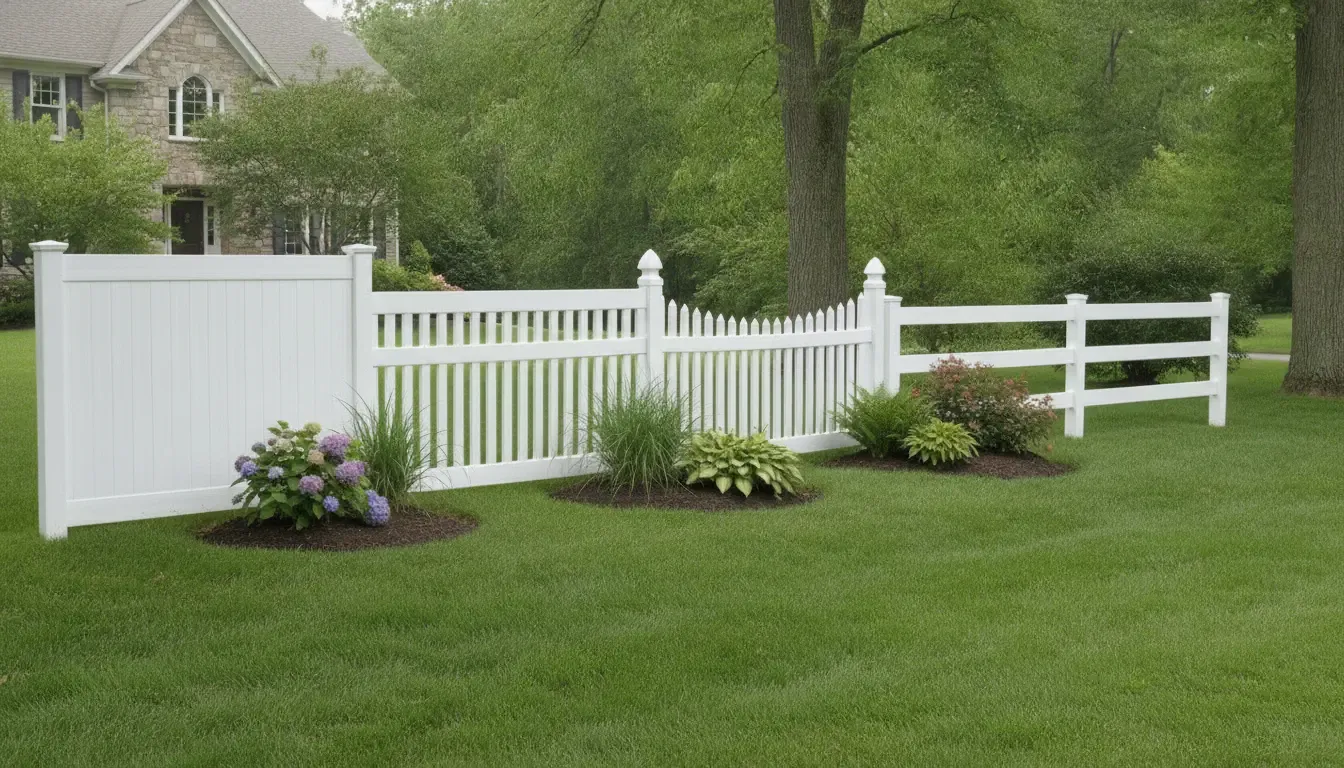
Vinyl | The property needs a clean, low-maintenance look or more privacy. | Offers a distinct appearance and can support certain property design goals. | How will visibility, wind exposure, and court-specific ball behavior be addressed? |
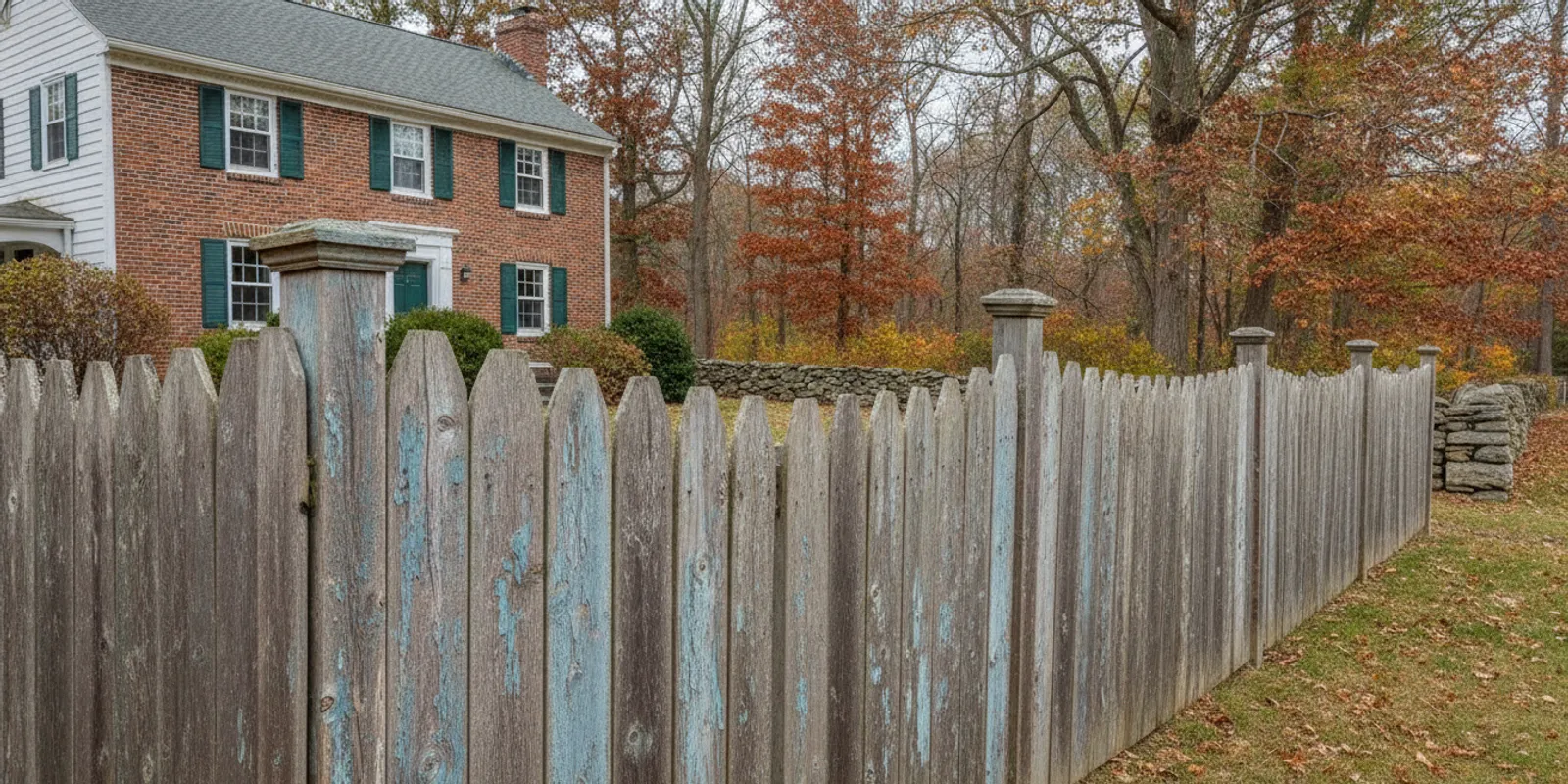
Wood | The enclosure needs to relate closely to a traditional landscape or home. | Natural character and design flexibility. | What exposure, maintenance, gate, and visibility requirements will shape the design? |
This comparison is a starting point, not a substitute for a site review. Some courts benefit from an open enclosure, while others need selective screening or a more substantial boundary because of nearby roads, pools, gardens, slopes, or private activity. The court, property, and maintenance plan should be considered together.
Review Northstar's broader residential fencing options, then call (603) 453-3698 to discuss which approach fits your court and property.
How high should tennis court fencing be?
Short answer: There is no single fence height that works for every tennis court. Height should be evaluated with the court's layout, the kind of play, surrounding hazards, adjacent property uses, visibility goals, wind exposure, gate plan, lighting, and applicable local rules. A generic online recommendation may not fit the site.
The USTA Friend at Court 2026 handbook identifies the regulation tennis court as 78 feet long, with a width of 27 feet for singles and 36 feet for doubles. Those dimensions describe the playing court, not the complete enclosure plan. Owners should also consider the space around the court, entry points, landscaping, equipment movement, and nearby features before deciding where the fence belongs.
Height can affect more than ball containment. A taller fence may change the visual relationship between the court and the home, catch more wind, alter views, and affect the appearance of a wooded or open property. A lower or selectively screened design may feel better integrated, but it still needs to perform for the court's use. Northstar can help evaluate those tradeoffs instead of treating height as an isolated number.
What should owners consider for gates and court access?
Short answer: Tennis court gates should be planned around the people and equipment that will use them. A successful access plan accounts for player flow, maintenance equipment, hardware durability, clearances, latch placement, swing direction, and the relationship between the gate and court surface, landscaping, lighting, and nearby structures.
Many courts need more than one kind of access. Players may use a convenient pedestrian gate, while maintenance staff may need to move a mower, court equipment, replacement materials, or other larger items through a wider opening. A property owner may also want access from the home, a service path, or a spectator area.
Gate operation can become difficult when the enclosure is installed across a slope, near roots, beside a retaining wall, or in ground that shifts with drainage and seasonal conditions. Posts, hinges, latches, and clearances should be considered as one system. Poor alignment or a gate that conflicts with the finished grade can create recurring frustration even when the rest of the fence looks attractive.
Northstar installs, customizes, and repairs gates. A consultation can identify how the court will be used, who will maintain it, and what access should remain available before the fence layout is finalized.
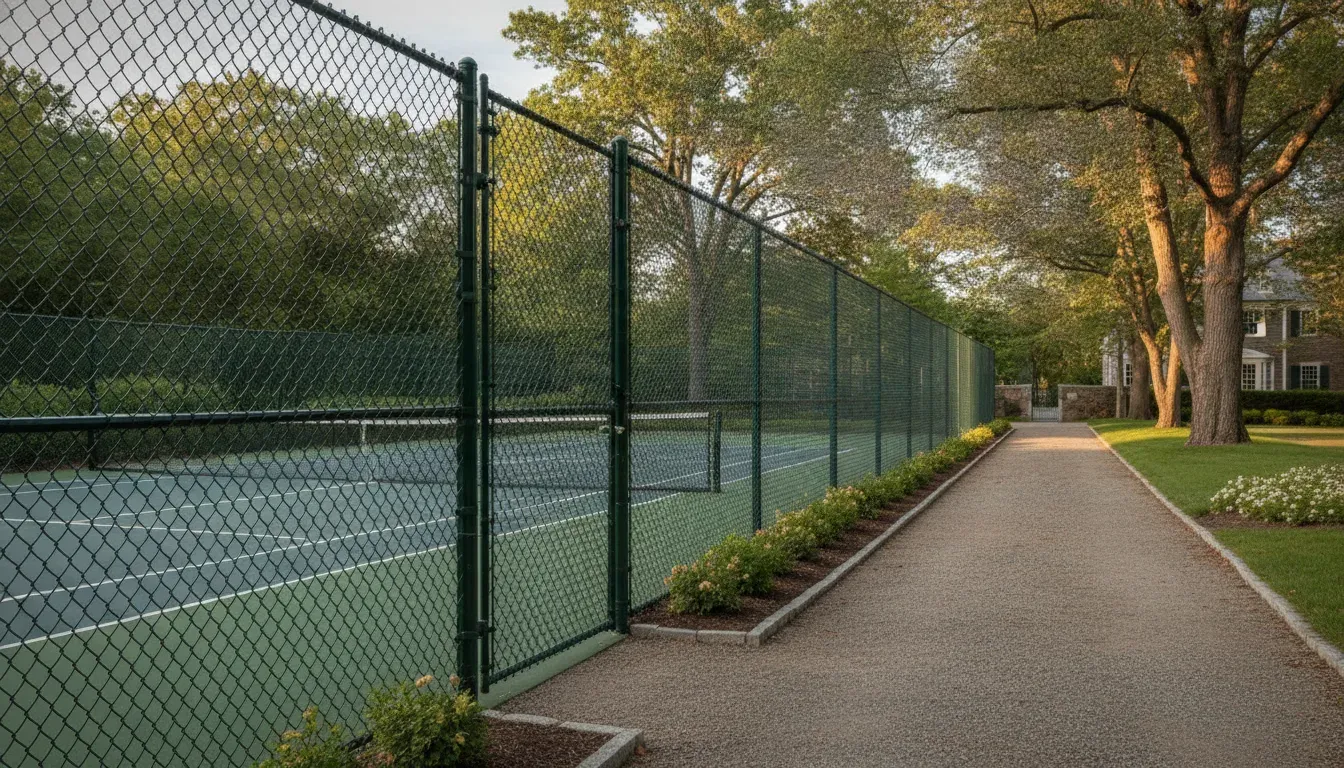
A court gate should work for players, maintenance staff, and the surrounding property.
Which New England site conditions can affect the fence plan?
Short answer: Massachusetts and Southern New Hampshire properties can present rock, ledge, slopes, wooded edges, wet areas, drainage changes, and limited equipment access. These conditions can affect post placement, excavation, gate operation, surface transitions, and the best way to coordinate the fence with the court and surrounding landscape.
A level-looking lawn does not always mean uniform ground below it. Rock or ledge may limit where posts can be placed. A wooded property may require a plan for roots, access, and future vegetation growth. A sloped property may call for careful attention to fence lines, gate clearances, and the way water moves across the site.
Drainage deserves special attention around a court. Water that concentrates near posts, gates, paths, or the court edge can contribute to erosion, soft ground, frost-related movement, or difficult maintenance. The fence plan should be reviewed alongside grading, drainage, landscaping, and the court contractor's work so that one trade does not create a problem for another.
Weather exposure is another site-specific factor. The Northstar guide to fencing in high-wind areas explains why wind exposure should be considered when evaluating a fence. A tennis court's open setting, nearby tree line, coastal influence, or elevated position may affect the enclosure design even when the property is not generally described as a high-wind site.
What permitting questions should Massachusetts and New Hampshire owners ask?
Short answer: Permit and zoning requirements depend on the municipality, fence design, height, location, property conditions, and project scope. Owners should ask the local building or public works office about permits, setbacks, easements, right-of-way limits, property lines, drainage, and any rules affecting a court enclosure before work begins.
Mass.gov's HIC Contractor Resources describes its permit chart as general guidance and says whether a building permit is required depends on project specifics. That is a useful reminder not to treat a general internet answer as a complete Massachusetts determination. The applicable building official can explain what applies to the specific property and project.
Requirements can also differ from one New Hampshire community to another. For example, the City of Nashua's official fence and wall permit application asks for fence height, dimensions, location, property lines, adjacent streets and sidewalks, buildings, driveways, and easements. It includes city-specific rules and a height threshold for when a permit is required. Nashua's process should not be presented as a rule for every Southern New Hampshire municipality.
A fencing contractor can help organize the information needed for a conversation with the town, but the property owner and the municipality remain the final sources for local requirements. Early coordination is especially valuable when the court is near a road, wet area, neighboring property, utility, conservation area, or shared access route.
How can a property owner plan for long-term performance?
Short answer: Long-term performance starts with a complete plan, not only a fence material. Review the court's use, site conditions, drainage, gate traffic, future maintenance, landscaping, access, and local requirements together. A clear plan reduces avoidable conflicts and makes it easier to care for the enclosure over time.
Decide who will use the court and who will service it.
Identify every expected entry route, including equipment access.
Review the relationship between the fence, court, lights, landscaping, and drainage.
Note rock, ledge, roots, slopes, wet areas, and narrow equipment paths.
Consider whether visibility, screening, privacy, or security should vary by side.
Ask how gates and hardware will be inspected and maintained.
Confirm local permit and property-line questions before finalizing the layout.
Choose a fence contractor who will discuss the full property instead of quoting a generic enclosure.
For existing court fencing, the best answer may be targeted repair, section replacement, gate work, or broader restoration rather than a full replacement. Northstar helps property owners evaluate the fence's condition, the cause of damage, the material, and the property's needs before recommending the most practical course.
Planning a private, estate, school, club, or commercial tennis court? Call Northstar Fence & Rail at (603) 453-3698 to request a free, no-obligation consultation about tennis court fencing, gates, site conditions, and access.
Frequently asked questions about tennis court fencing
Is chain link the only practical choice for a tennis court?
No. Chain link is often evaluated because it provides an open view and practical containment, but the right material depends on the court, property design, desired screening, gate plan, weather exposure, and maintenance expectations. Northstar can compare wood, vinyl, chain-link, and aluminum in the context of the site.
Can a tennis court fence include a gate for maintenance equipment?
Yes. The gate plan should account for the equipment and service access the property will need, not just everyday player entry. A consultation can help identify appropriate access points, gate sizes, hardware needs, clearances, and the relationship to the court surface and surrounding grade.
Do tennis court fences require permits in Massachusetts?
Permit requirements can depend on the municipality and project details. Massachusetts guidance is not a substitute for a local determination. Owners should contact the applicable building official and ask about fence height, location, setbacks, property lines, easements, and any court-related site conditions.
What makes Southern New Hampshire tennis court fencing different?
The main difference is not one universal regional fence rule. Southern New Hampshire properties can vary widely in terrain, drainage, rock, wooded conditions, road proximity, and municipal requirements. The fence should be planned for the actual site, and the owner should confirm local requirements with the municipality.
Can Northstar repair an existing tennis court fence or gate?
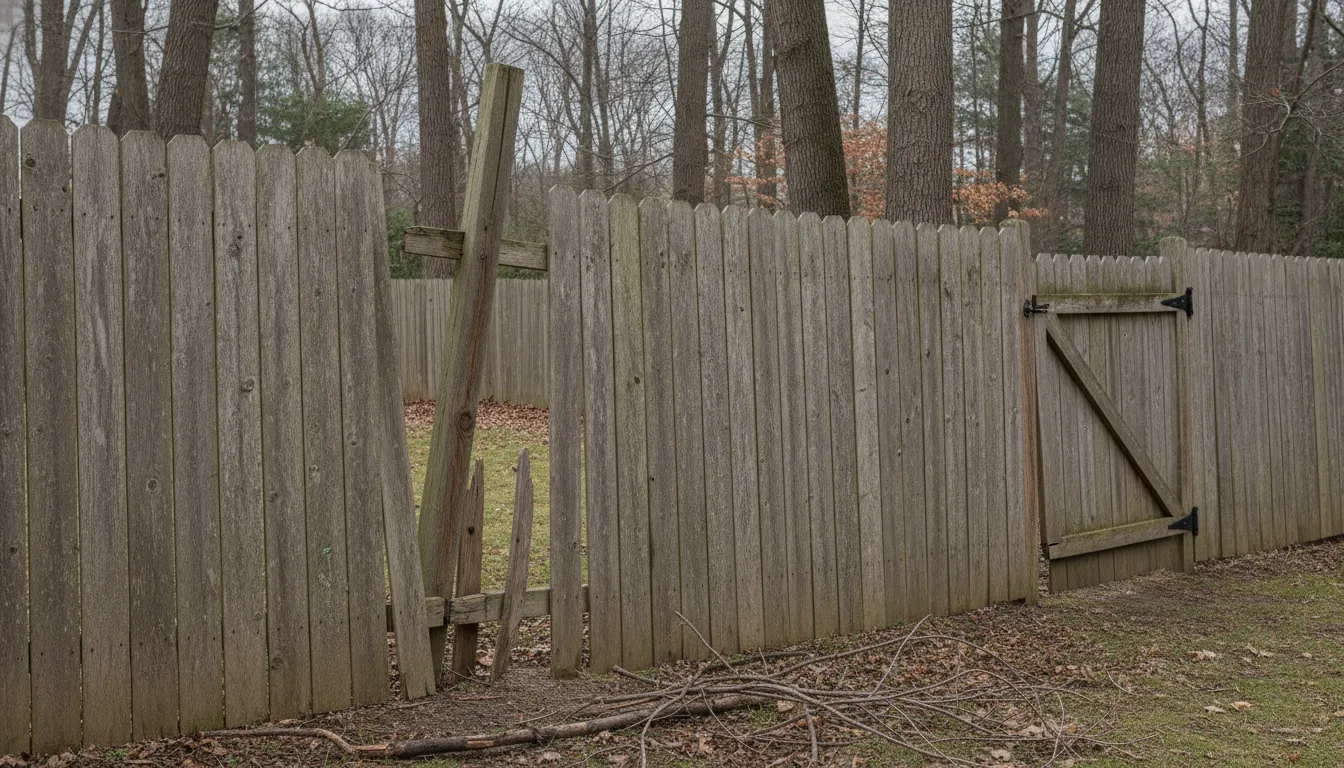
Northstar provides fence repair and restoration, including storm-damage repair, section replacement, aging-fence restoration, and gate work. The team can help evaluate whether repair or replacement makes sense based on the fence's condition, the damage cause, the material, and the property's needs.
Plan the enclosure with the whole property in mind
Tennis court fencing works best when it is treated as part of the court and property plan. Ball containment, visibility, gates, material, terrain, drainage, weather, maintenance, and local coordination all matter. Northstar Fence & Rail provides a consultation-led approach for property owners who want a fencing solution that is functional, polished, and appropriate for the site.
Call Northstar Fence & Rail at (603) 453-3698 to request a free, no-obligation consultation about tennis court fencing.
Comments